Educational Games for Kids That Actually Make Learning Fun
If you have ever tried to keep a child entertained while also hoping they learn something at the same time, you are definitely not alone. Finding educational games for kids that are both fun and genuinely helpful can feel impossible some days. One minute your child is excited, and the next they are climbing the couch upside down because they got bored after five minutes.
The good news is that learning does not have to look like worksheets or long study sessions. Kids learn best when they are playing, moving, laughing, and exploring. The right educational games can help your child build important skills without them even realizing they are learning.
Whether you are a stay-at-home mom trying to fill long afternoons, a working mom needing quick activities after school, or simply looking for screen-free ideas that actually work, these games can make your days easier and more meaningful.
Why Educational Games for Kids Work So Well
Kids naturally learn through play. Educational games help children practice important skills in a low-pressure way that feels exciting instead of stressful.
These kinds of learning activities can help with:
- Problem-solving skills
- Early math and reading
- Fine motor development
- Memory and concentration
- Social skills
- Creativity and imagination
The best part is that many of these games use things you probably already have at home.
1. Alphabet Treasure Hunt
This is one of the easiest educational games for kids, especially for preschoolers and kindergarteners.

Write letters on small pieces of paper and hide them around the room. Ask your child to find the letters and match them to objects that start with the same sound.
For example:
- B = ball
- C = cup
- D = doll
Why it works:
This game helps with letter recognition and phonics while also letting kids move their bodies. Young children learn much faster when movement is involved.
2. Counting Hopscotch
Grab some chalk and turn your driveway or sidewalk into a learning game.
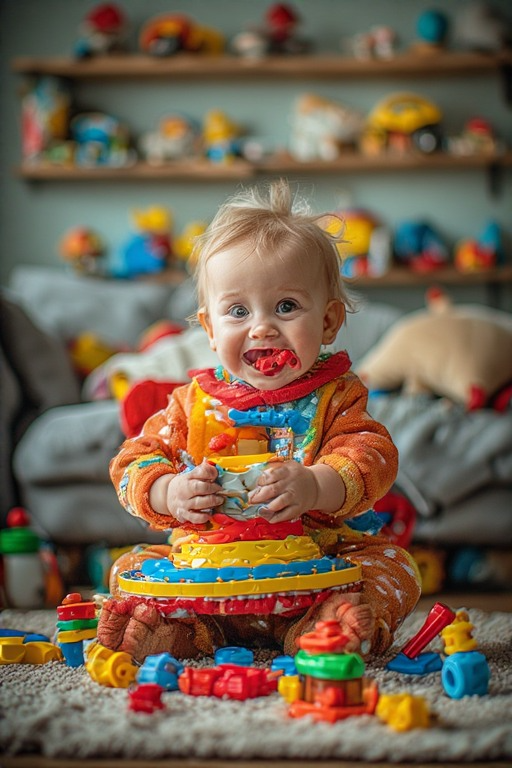
Write numbers inside hopscotch squares and ask your child to:
- Count out loud
- Skip count by twos
- Solve simple math problems before jumping
Why it works:
Physical movement helps children remember information better. It also burns off some of that endless toddler and kid energy.
3. Matching Memory Cards
You can buy memory cards or make your own using index cards and stickers.
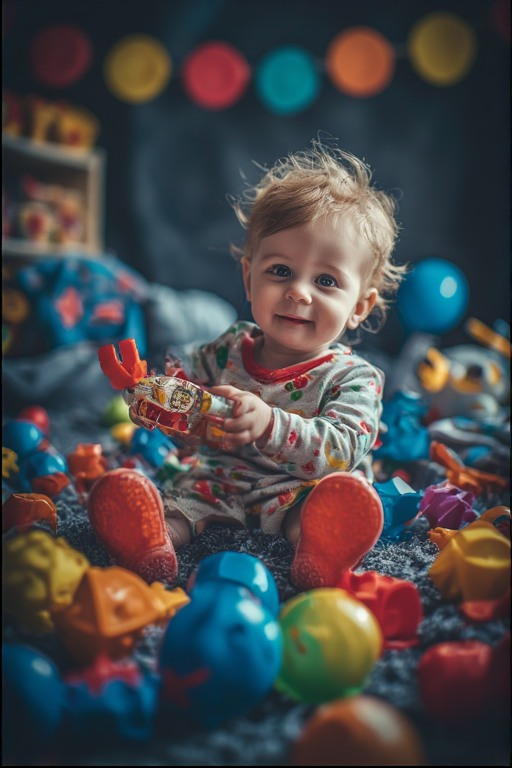
Try matching:
- Colors
- Numbers
- Animals
- Sight words
- Shapes
Why it works:
Memory games strengthen concentration and attention span. They also teach patience and turn-taking, which honestly takes time for most kids.
4. Cooking Together
Believe it or not, your kitchen is one of the best classrooms in your home.
Let your child help:
- Measure ingredients
- Count spoonfuls
- Read recipe steps
- Mix and pour
Why it works:
Cooking teaches math, reading, science, and sequencing skills all at once. Kids also tend to feel proud and confident when they help make real food.
Related keywords naturally included: learning activities for kids, educational activities at home, fun learning games.
5. Puzzle Races
Set a timer and see how quickly your child can complete a puzzle.
You can make it more fun by:
- Racing together
- Sorting edge pieces first
- Using themed puzzles your child loves
Why it works:
Puzzles improve problem-solving skills and spatial awareness. They also help children learn persistence when something feels difficult.
6. Story Building Game
Start a story with one sentence, then let your child add the next part.
Example:
- You say: “A dinosaur walked into the grocery store.”
- Your child adds: “And he wanted to buy bananas.”
Why it works:
This activity builds vocabulary, creativity, and communication skills. It also gives you a little peek into your child’s imagination, which can be hilarious sometimes.
7. DIY Sensory Bin Learning
Fill a plastic container with:
- Rice
- Beans
- Sand
- Water beads
Then hide letters, numbers, or small toys inside for your child to find.
Why it works:
Sensory play helps children process information through touch and exploration. It is especially helpful for toddlers and preschoolers who learn best through hands-on experiences.
Just be prepared for a little mess because sensory bins somehow end up everywhere.
8. Board Games That Teach Real Skills
Some classic board games are secretly amazing educational tools.
Try games like:
- Candy Land
- Chutes and Ladders
- Scrabble Junior
- Connect Four
Why it works:
Board games teach counting, strategy, critical thinking, and emotional regulation. Kids learn how to handle winning and losing in a safe environment.
9. Scavenger Hunt Nature Walk
Take learning outside whenever possible.
Create a simple list of things your child should find:
- A red leaf
- Something round
- A bird
- A flower
- A smooth rock
Why it works:
Outdoor educational games for kids improve observation skills and curiosity. Nature also helps calm overstimulated children and improves focus.
10. Sight Word Hide and Seek
If your child is learning to read, this game can make sight words less frustrating.
Tape sight words around the room and call them out one by one for your child to find.
You can also:
- Use flashlights
- Turn it into a race
- Give small rewards
Why it works:
Repeating sight words through play helps kids remember them faster without feeling pressured.