
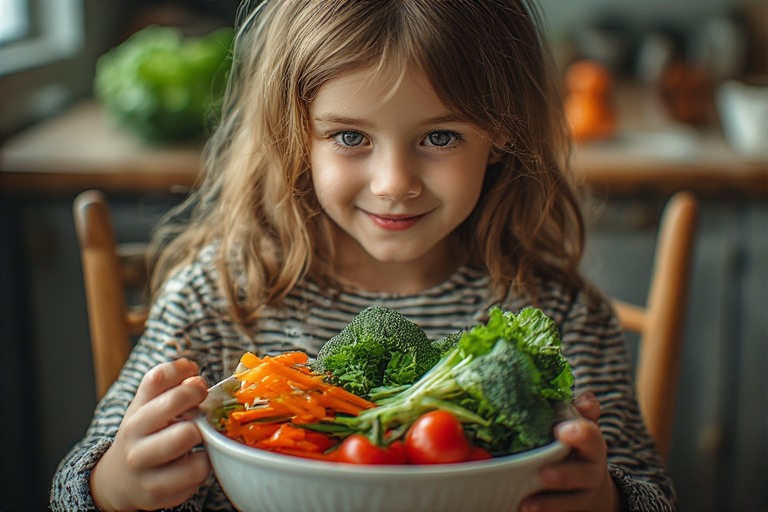
How to Get Kids to Eat Vegetables — 15 Mom-Approved Tricks That Actually Work
If you are searching for real ways to learn how to get kids to eat vegetables, you are definitely not alone. So many moms end up making one meal for the adults, another for the kids, and somehow still hear “Eww, I don’t like that!” before anyone even takes a bite.
It can feel exhausting and honestly a little defeating. You buy the healthy food, spend time preparing it, and then watch your toddler survive on crackers and yogurt for three days straight. Nobody really prepares you for how stubborn kids can be about vegetables.
The good news is this — most kids do learn to eat vegetables over time. It usually does not happen overnight, and it rarely happens by forcing them. A lot of it comes down to consistency, patience, and a few smart tricks that make veggies feel less scary and more familiar.
Here are the best mom-approved tips that actually help kids eat more vegetables without turning every dinner into a battle.
1. Stop Pressuring Them to Take a Bite
This sounds backward, but pressure often makes picky eating worse.
When kids feel forced to eat vegetables, they can start associating those foods with stress or conflict. That is why some toddlers cry the second broccoli appears on the plate.
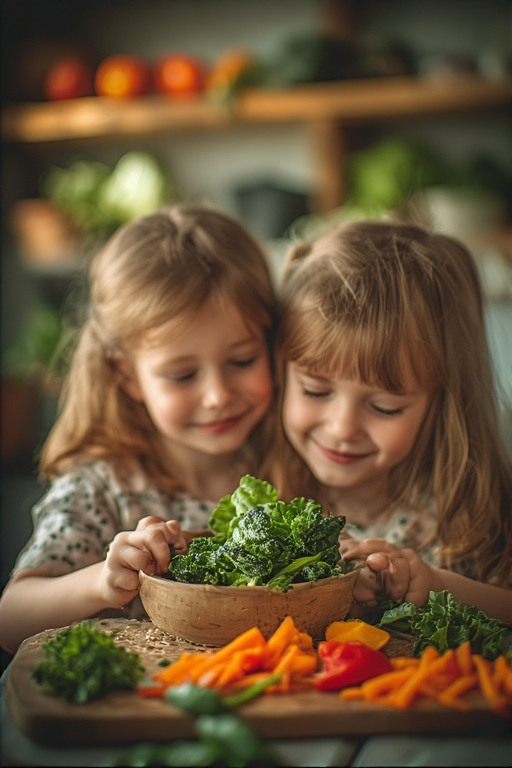
Instead, try a calmer approach:
- Put the vegetable on the plate without making a big deal about it
- Let your child explore it at their own pace
- Avoid bribing or threatening
Kids are naturally curious. Removing pressure gives them space to eventually try foods on their own terms.
Related keywords: picky eater solutions, toddler eating habits, healthy eating for kids
2. Keep Offering Vegetables Again and Again
One of the biggest secrets about how to get kids to eat vegetables is repetition.
A child may need to see a food 10 to 15 times before they are comfortable tasting it. Yes, really. That means one rejected carrot does not mean your child hates carrots forever.
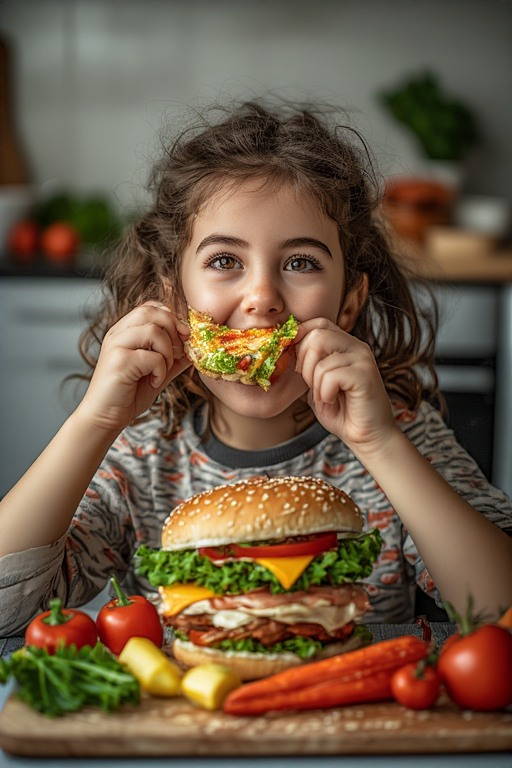
Try serving the same vegetable in different ways:
- Roasted
- Steamed
- Raw with dip
- Mixed into pasta
- Cut into fun shapes
This works because familiarity helps kids feel safe with food.
3. Let Them Help You Cook
Kids are much more likely to eat something they helped make.
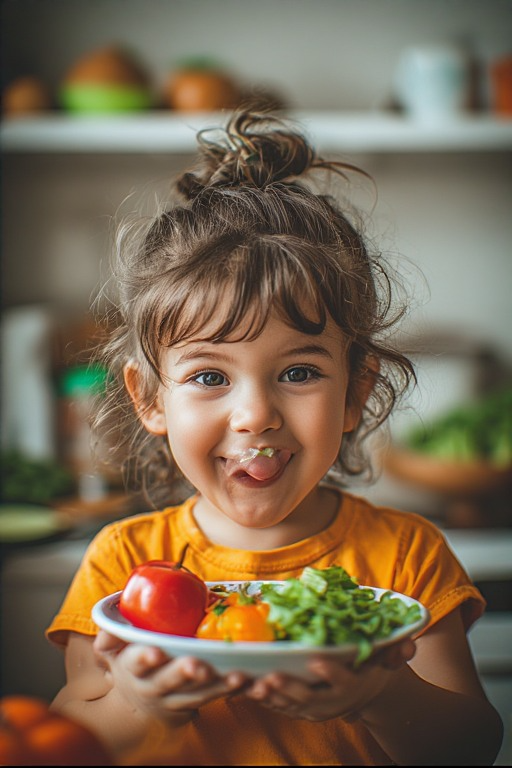
Even toddlers can:
- Wash vegetables
- Stir ingredients
- Sprinkle cheese
- Arrange veggies on a tray
When children feel involved, they become proud of the meal. It turns vegetables from “mom’s food” into “their creation.”
And honestly? Sometimes just letting your child carry a cucumber to the counter makes them suddenly interested in tasting it.
4. Make Vegetables Fun Instead of Fancy
You do not need Pinterest-perfect lunches to make veggies exciting.
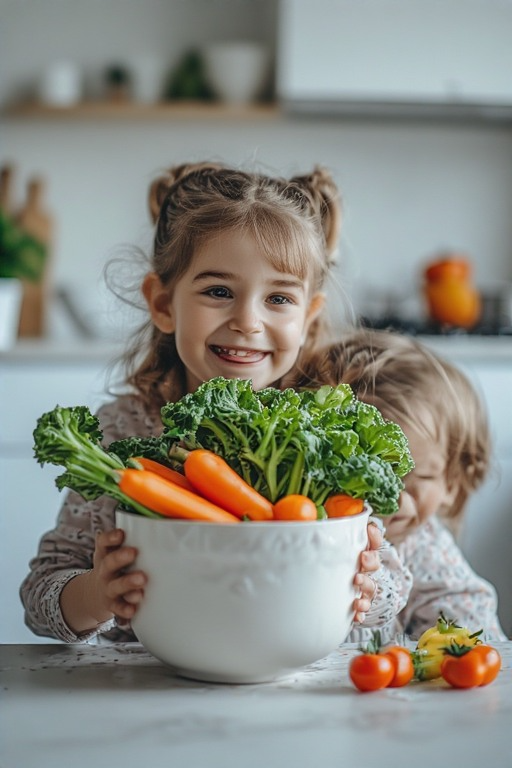
Simple ideas work beautifully:
- Cucumber stars
- Rainbow veggie plates
- Bell pepper “boats”
- Funny food faces
- Tiny dipping cups
Young kids love playful food because it feels less intimidating. Fun presentation lowers resistance and encourages curiosity.
5. Use Dips Without Feeling Guilty
Ranch dressing has probably helped more toddlers eat vegetables than we will ever know.
And that is okay.
Healthy eating does not have to look perfect. If hummus, yogurt dip, ranch, or cheese sauce gets your child eating cucumbers or broccoli, that is still a win.
Some easy kid-friendly dips include:
- Hummus
- Ranch
- Guacamole
- Greek yogurt dip
- Peanut butter for celery or carrots
This works because dipping makes eating interactive and fun.
6. Eat Vegetables Yourself
Kids notice everything.
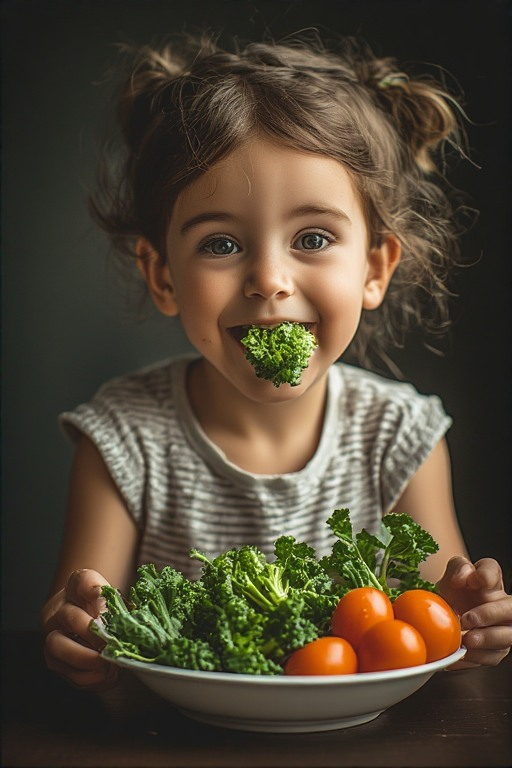
If you are constantly talking about hating vegetables while asking your child to eat them, they pick up on that quickly. Modeling matters more than lectures.
Try casually eating vegetables in front of your child without making a big announcement about it. Sometimes seeing you genuinely enjoy roasted carrots is more powerful than any speech.
Related keywords: healthy family meals, toddler nutrition tips
7. Hide Vegetables Sometimes — But Not Always
Hidden veggies can absolutely help during picky phases.
You can blend vegetables into:
- Pasta sauce
- Smoothies
- Muffins
- Soups
- Mac and cheese
But it is important not to rely only on hiding vegetables. Kids still need exposure to seeing and learning about vegetables in their natural form too.
Think of hidden veggies as a backup plan — not the entire strategy.
8. Serve Tiny Portions
Large servings can overwhelm kids fast.
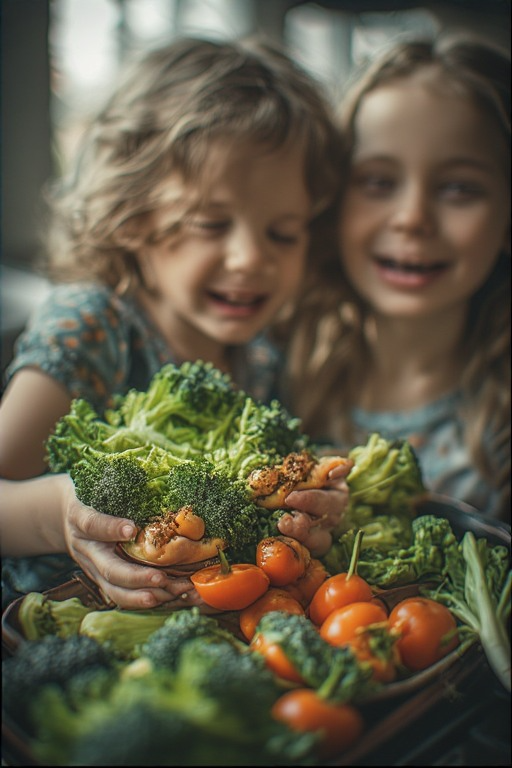
A giant pile of peas may feel stressful to a toddler, but two peas on the plate feels manageable. Small portions make vegetables seem less intimidating.
You can always offer more later if they want it.
This tip works especially well for strong-willed toddlers who immediately refuse foods that look “too big.”
9. Do Not Label Your Child as “Picky”
It is easy to say:
- “She never eats vegetables”
- “He is such a picky eater”
But kids often live up to those labels.
Instead, try neutral language like:
- “You are still learning about this food”
- “Maybe next time”
- “Your taste buds are growing”
This keeps mealtimes more positive and less stressful for everyone.
10. Try Roasting Instead of Steaming
This one changes everything for some kids.
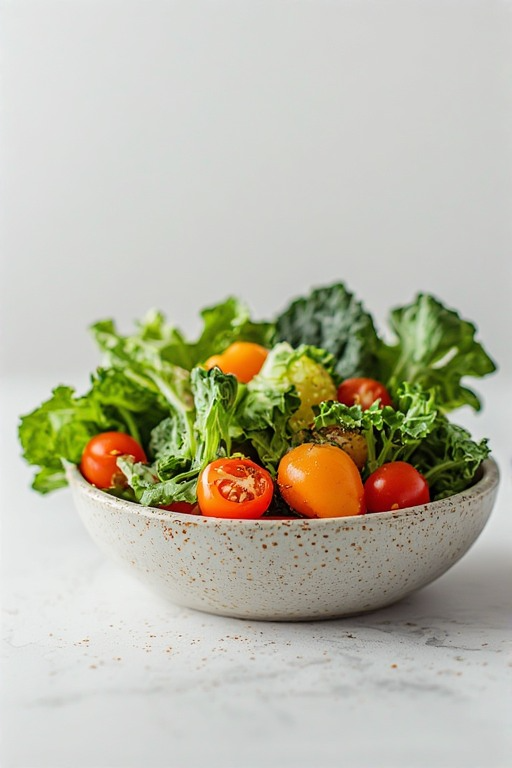
Roasted vegetables are sweeter, softer inside, and full of flavor. Steamed vegetables can sometimes taste bland or mushy, especially to kids with texture sensitivities.
Great vegetables for roasting:
- Carrots
- Sweet potatoes
- Broccoli
- Cauliflower
- Zucchini
Add a little olive oil, seasoning, and parmesan cheese for extra flavor.