Toddler Won’t Eat? How to Deal With Picky Eaters Without Mealtime Battles
If you’re searching for how to deal with picky eaters, chances are you’ve had at least one meal end with untouched food, frustration, or tears. If that’s you, take a deep breath—you are definitely not alone.
Many moms worry that their child isn’t eating enough or getting the nutrition they need. The good news is that picky eating is incredibly common, especially during the toddler and preschool years. It doesn’t mean you’re doing anything wrong, and it doesn’t mean your child will always be a picky eater.
The goal isn’t to force your child to eat everything on their plate. Instead, it’s to help them build a healthy relationship with food over time. Here are practical, realistic tips that can make mealtimes feel calmer for everyone.
Why Kids Become Picky Eaters
Before jumping into solutions, it helps to understand why picky eating happens.
Toddlers naturally become more independent. Saying “no” is one way they practice that independence. At the same time, their growth slows compared to infancy, so their appetite often decreases too. Foods they loved last month may suddenly be refused, and that’s completely normal.
Understanding this can help you respond with patience instead of panic.
1. Keep Offering New Foods
One of the biggest mistakes parents make is giving up after one or two refusals.

Children often need to see a food 10 to 15 times—or even more—before they feel comfortable trying it. Keep placing a small portion on the plate without pressure. Even touching, smelling, or licking the food is progress.
Why it works
Repeated exposure helps children become familiar with new foods. Familiar foods feel safer, making kids more likely to eventually take a bite.
2. Avoid Turning Meals Into a Battle
It’s tempting to beg, bargain, or insist on “just one more bite.”
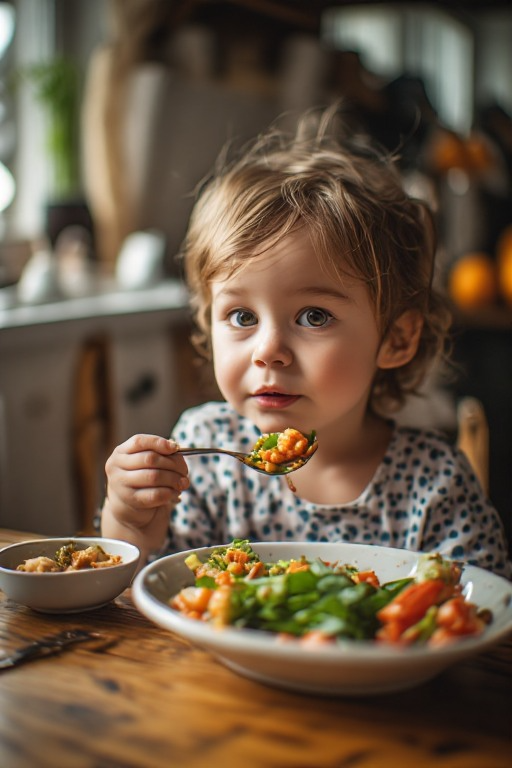
Unfortunately, pressure usually has the opposite effect. It can make children feel anxious around food and even strengthen picky eating habits.
Why it works
When children feel relaxed, they’re more willing to explore new foods at their own pace.
3. Serve One Safe Food at Every Meal
A “safe food” is something your child usually enjoys, like fruit, yogurt, rice, pasta, or bread.

Pair one familiar favorite with new foods instead of preparing a completely separate meal. This gives your child something they feel comfortable eating while still seeing new options.
Why it works
Children are less overwhelmed when they recognize something familiar on their plate.
4. Let Your Child Help in the Kitchen
Kids love feeling important.
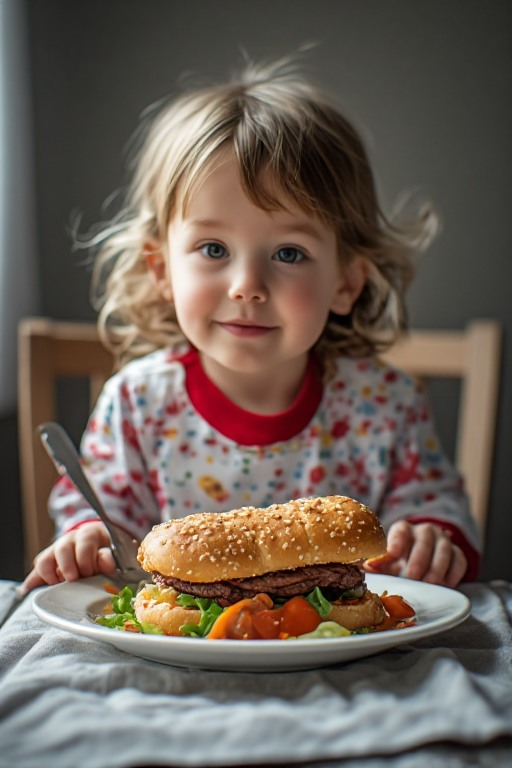
Ask them to wash vegetables, stir pancake batter, sprinkle cheese, or arrange fruit on a plate. They don’t have to cook the meal—they just need to participate.
Why it works
Children are naturally more interested in foods they helped prepare.
5. Keep Mealtimes Relaxed
Try to avoid distractions like television, tablets, or toys during meals.

Sit together as a family whenever possible. Focus on conversation instead of constantly reminding your child to eat.
Why it works
A calm environment reduces stress and allows children to pay attention to their own hunger and fullness cues.
6. Don’t Offer Snacks All Day
Constant snacking can leave little room for hunger.

Aim for regular meal and snack times with water offered between them. A child who arrives at the table hungry is usually more willing to eat.
Why it works
A predictable eating schedule helps children recognize natural hunger.
7. Be a Good Example
Children learn by watching you.

If they regularly see you eating vegetables, fruit, whole grains, and different proteins, they’ll become more familiar with those foods too.
Why it works
Modeling healthy eating is one of the strongest influences on children’s food habits.
8. Make Food Fun—Without Becoming a Short-Order Cook
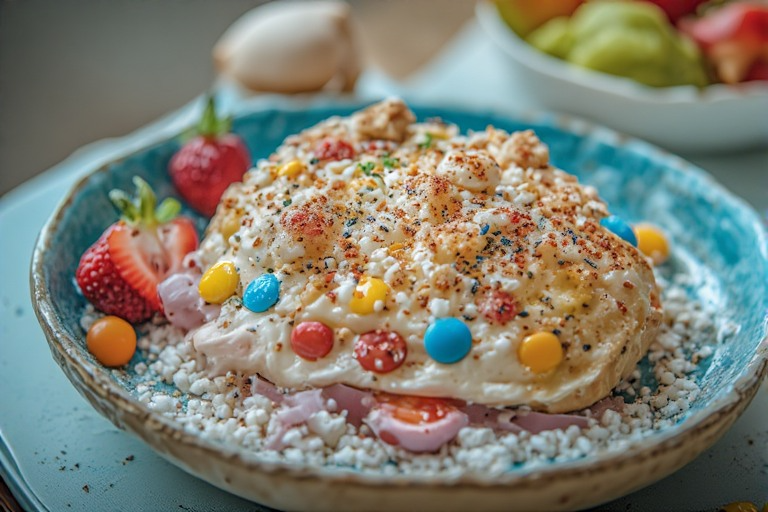
Simple presentations can make food more exciting.

Try:
- Fruit rainbows
- Veggie faces
- Mini sandwich shapes
- Colorful snack plates
- Dipping sauces
There’s no need to create elaborate meals every day. Small changes can make a big difference.
Why it works
Playful presentation encourages curiosity instead of resistance.
9. Respect Their Appetite
Some days your child will eat everything.

Other days they may survive on three crackers and a banana. That’s surprisingly normal.
Rather than focusing on one meal, look at what your child eats over an entire week.
Why it works
Children’s appetites naturally change from day to day.
10. Celebrate Tiny Wins
Progress doesn’t always mean finishing the meal.

Celebrate when your child:
- Touches a new food
- Smells it
- Licks it
- Takes one bite
- Tries something without complaining
These small moments build confidence over time.