How to Set Up a Montessori Playroom That Encourages Independent Play
If you’ve ever looked around your living room and wondered how toys ended up everywhere, you’re definitely not alone. Creating a calm, organized space for your little one can feel impossible, especially when life is already so busy.
The good news is that learning how to set up a Montessori playroom doesn’t require a huge budget or a perfectly designed home. Montessori is less about buying expensive furniture and more about creating an environment where your child can safely explore, learn, and play independently.
Whether you’re starting with a dedicated playroom or just a small corner of your home, these simple ideas can help you create a space your child truly enjoys.
What Is a Montessori Playroom?
A Montessori playroom is a child-friendly space designed to encourage independence, curiosity, and hands-on learning. Everything is organized so your child can easily see, reach, and put away their own toys.
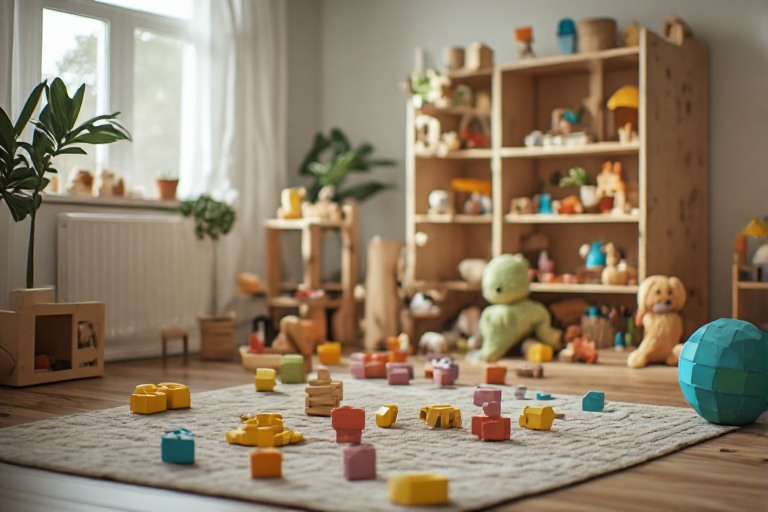
Instead of overflowing toy bins, you’ll find carefully chosen activities displayed neatly on low shelves. This makes it easier for children to focus without becoming overwhelmed.
Why a Montessori Playroom Works
Many parents notice that their children play longer and more peacefully after switching to a Montessori-inspired setup.
Here are just a few benefits:
- Encourages independent play
- Builds confidence
- Improves concentration
- Makes cleanup easier
- Reduces toy clutter
- Supports age-appropriate learning
The best part? You don’t need a giant house or fancy furniture to make it work.
1. Start With a Decluttered Space
One of the biggest Montessori principles is simplicity.
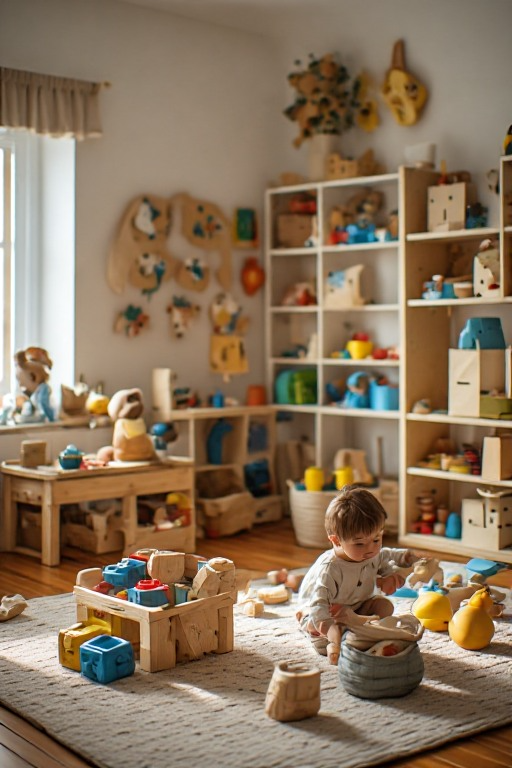
Children often play better when they have fewer choices. Instead of placing every toy in the room, keep only a small number available and store the rest away.
When your child isn’t overwhelmed by dozens of options, they naturally spend more time exploring each activity.
2. Use Low, Open Shelving
Skip the large toy boxes if possible.
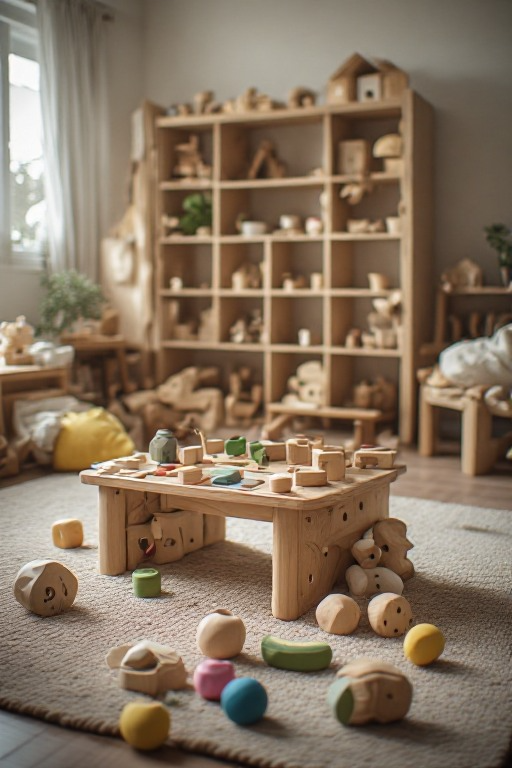
Low shelves allow your child to see every toy without dumping everything onto the floor. They also encourage independence because your child can choose activities without asking for help.
Keep each shelf neat with only a few toys displayed.
3. Organize Toys by Category
Grouping similar items together makes the room feel calm and organized.
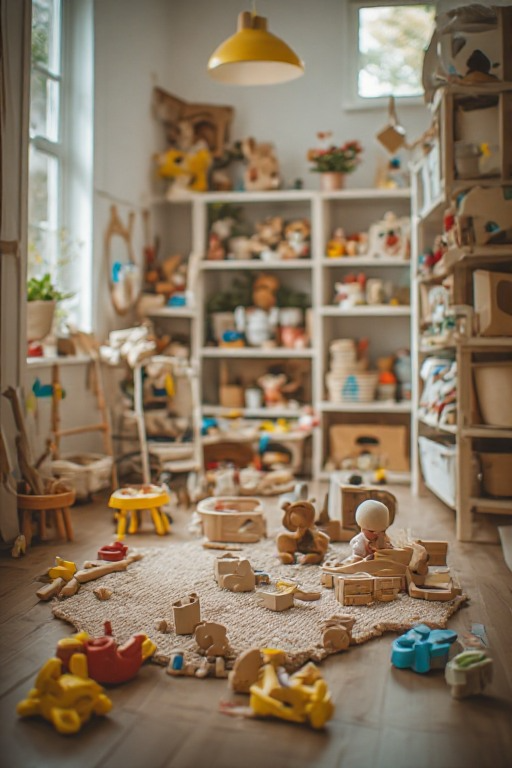
For example, you might have:
- Building toys
- Wooden puzzles
- Books
- Art supplies
- Musical instruments
- Practical life activities
This simple organization helps children know exactly where everything belongs during cleanup.
4. Choose Open-Ended Toys
Open-ended toys grow with your child because they can be used in many different ways.
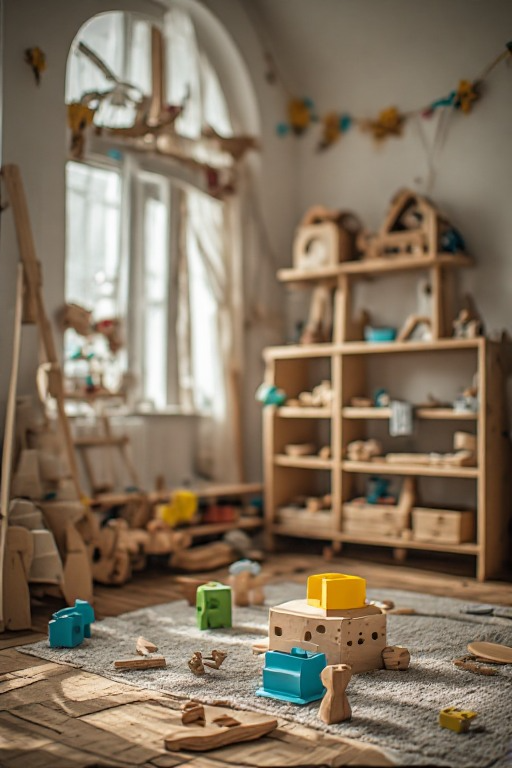
Great Montessori-inspired options include:
- Wooden blocks
- Stacking toys
- Magnetic tiles
- Pretend kitchen items
- Animal figures
- Dolls
- Play silks
These toys encourage imagination instead of telling children exactly how to play.
5. Keep Books Within Reach
Books should be just as accessible as toys.
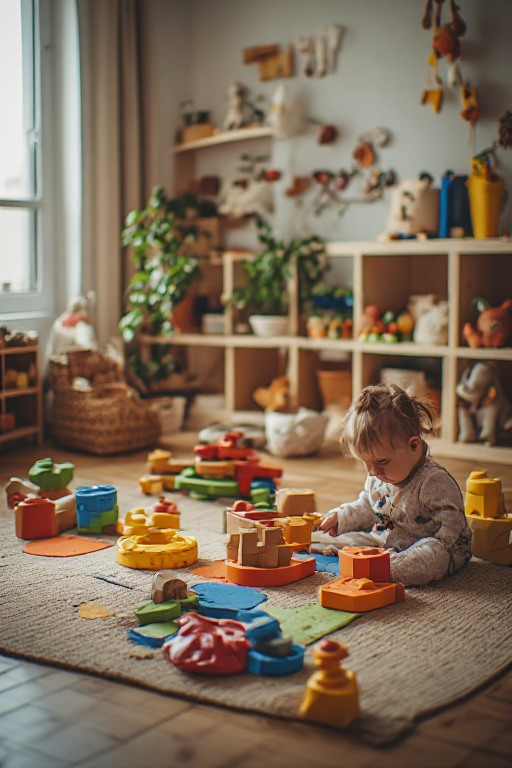
A front-facing bookshelf lets children easily see the covers, making them more likely to choose reading during playtime.
Rotate books every few weeks to keep them exciting.
6. Create a Cozy Reading Corner
Every playroom benefits from one quiet space.
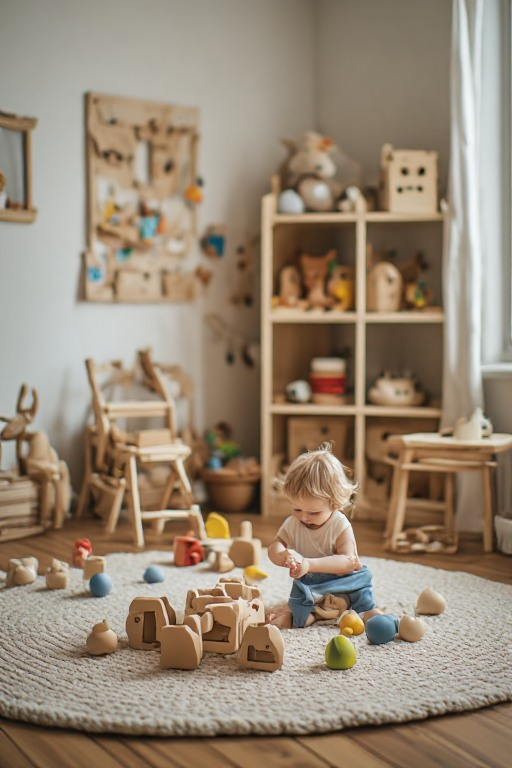
Add a soft rug, floor cushion, small chair, and a few favorite books. This becomes a peaceful place where your child can relax whenever they need a break.
It also helps build a lifelong love of reading.
7. Include Practical Life Activities
Practical life is one of the most valuable parts of Montessori learning.
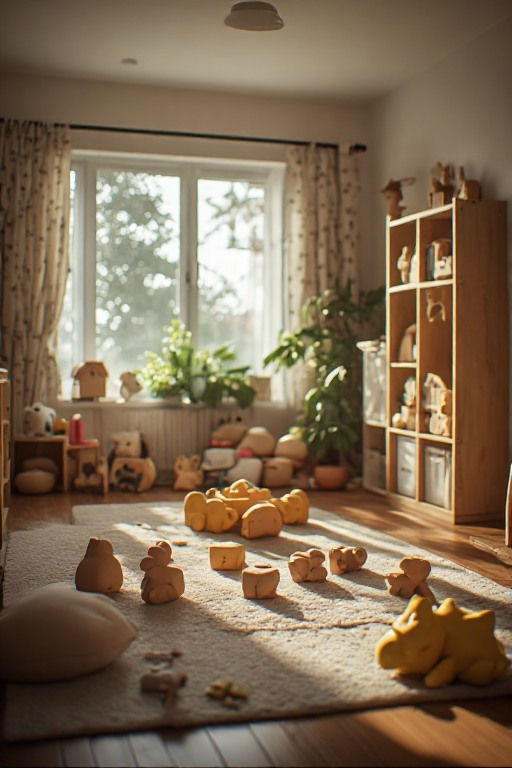
Simple activities teach real-life skills while helping children develop focus and coordination.
Ideas include:
- Pouring water
- Folding washcloths
- Watering plants
- Matching socks
- Sweeping with a child-sized broom
- Wiping a small table
These tasks make children feel capable and involved.
8. Display Only a Few Toys at a Time
More toys do not always mean better play.
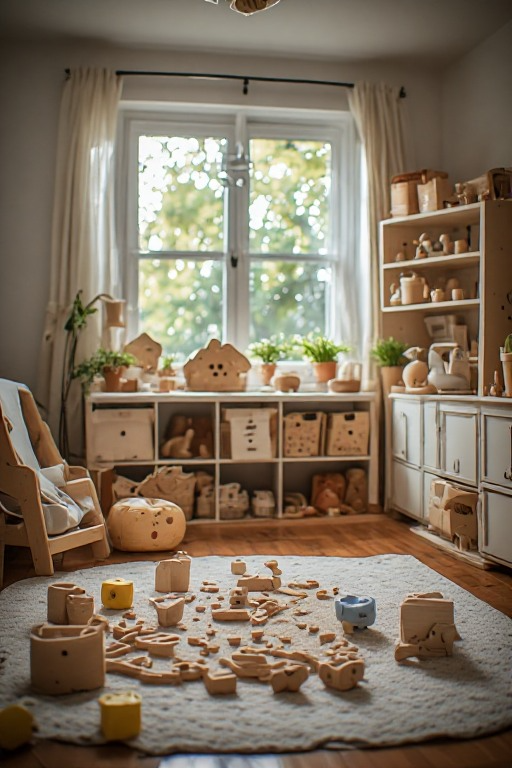
Try displaying only six to ten activities at once.
Store the rest in a closet or storage bin and rotate them every couple of weeks.
Toy rotation keeps old toys feeling new and prevents boredom.
9. Add Child-Sized Furniture
Furniture that fits your child’s size encourages independence.
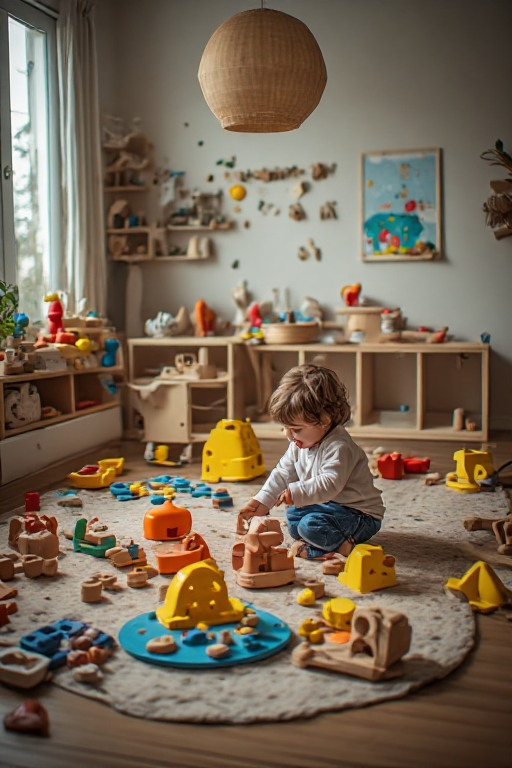
Consider adding:
- A small table
- Child-sized chair
- Floor cushions
- Low coat hooks
- Small mirror
- Step stool
These simple additions help children do more for themselves.
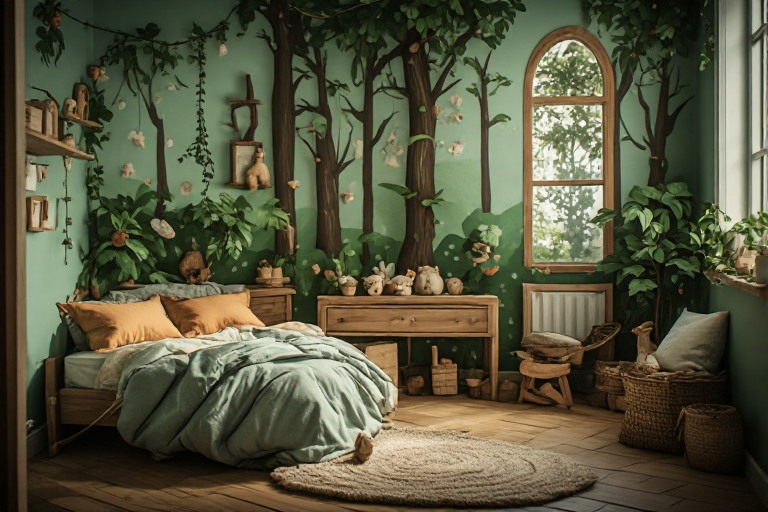
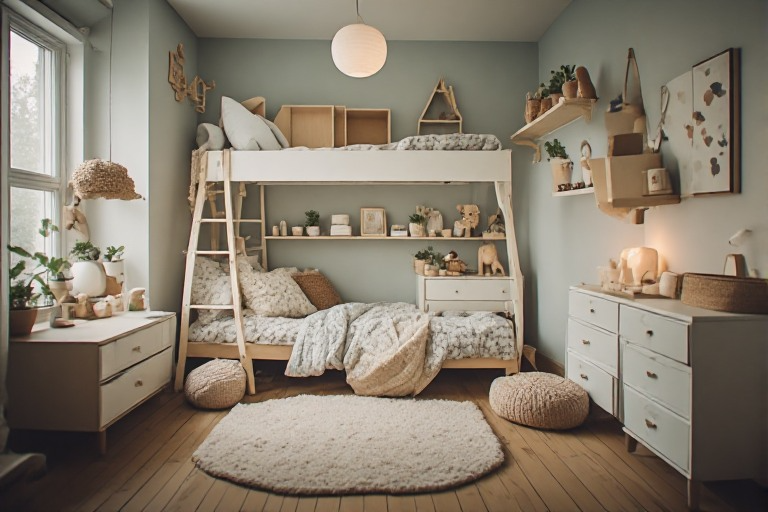
10. Use Natural Colors and Materials
Montessori spaces often feel calm because they avoid bright visual clutter.
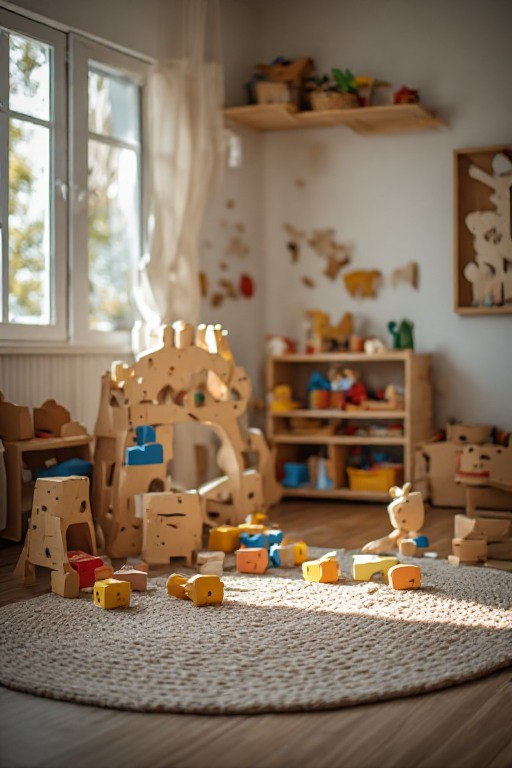
Choose neutral colors whenever possible and include natural materials like:
- Wood
- Cotton
- Wicker baskets
- Linen
- Wool rugs
A peaceful environment helps children stay focused during play.