

Sensory Play Ideas for Babies 6 Months That Support Learning and Development
If you have a 6-month-old baby, you may be wondering how to keep them engaged during their wake windows without constantly buying new toys. The good news is that babies at this age learn best through simple experiences, and many of the best activities can be created using things you already have at home.
These sensory play ideas for babies 6 months old are designed to help your little one explore the world through touch, sight, sound, and movement. At this stage, your baby is becoming more curious every day. They want to grab, squeeze, shake, and examine everything around them.
The truth is, nobody tells you that sensory play does not need to be complicated. A few minutes of safe exploration can support your baby’s development while giving you a fun way to connect and play together.
Why Sensory Play Is Important for a 6-Month-Old Baby
Sensory play helps your baby learn about their environment using their senses. These activities encourage brain development, strengthen motor skills, and support language growth.
At 6 months old, many babies are:
- Reaching and grabbing objects
- Rolling over
- Exploring with their mouths
- Responding to sounds
- Showing curiosity about textures and colors
Simple sensory activities help build these important skills while making playtime more meaningful.
1. Texture Exploration Basket
Create a small basket filled with safe household items that have different textures.

You can include:
- A soft washcloth
- A silicone spatula
- A wooden spoon
- A fuzzy sock
- A crinkly fabric toy
Let your baby touch and investigate each item. Different textures help stimulate their sense of touch and encourage curiosity.
Why It Works
Babies learn by comparing experiences. Feeling rough, smooth, soft, and bumpy surfaces helps their brains make important sensory connections.
2. Water Play in a Shallow Tray
Fill a shallow baking tray or container with a small amount of lukewarm water. Sit with your baby and let them splash their hands in the water.
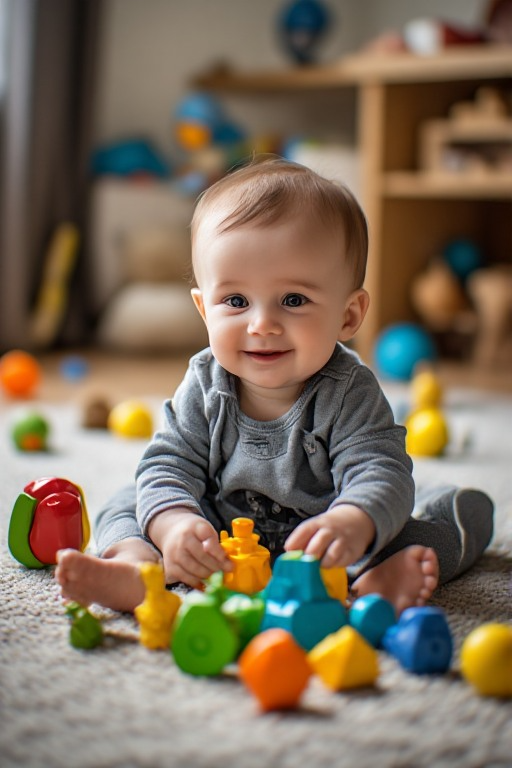
Always supervise closely and keep the water level very low.
Why It Works
Water provides a completely different sensory experience. The movement, temperature, and splashing sounds all stimulate your baby’s senses at the same time.
3. Crinkle Paper Fun
Babies love sounds they can create themselves.
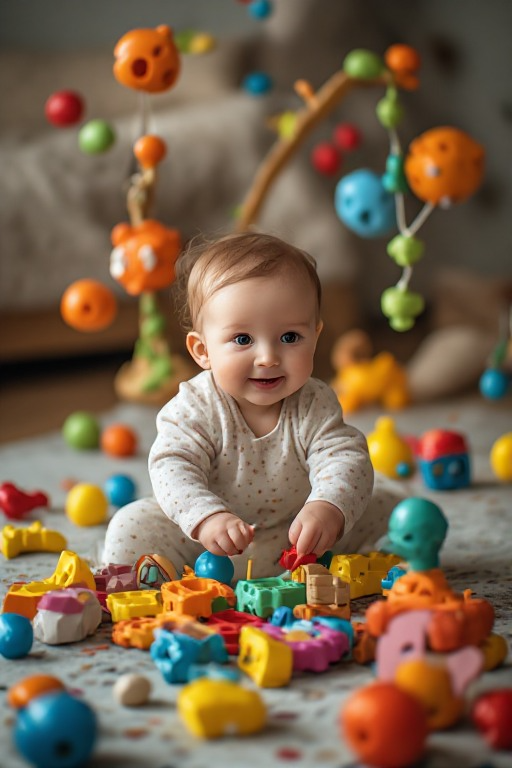
Use:
- Crinkle toys
- Crinkly fabric books
- Baby-safe sensory blankets
Allow your baby to squeeze and grab the material.
Why It Works
The cause-and-effect relationship helps babies understand that their actions create results. This is an important cognitive milestone.
4. Mirror Play
Place an unbreakable baby-safe mirror near your baby during tummy time.

Watch as they stare, smile, and interact with their reflection.
Why It Works
Mirror play supports visual development and encourages social awareness. Babies are fascinated by faces, even when they do not yet understand they are seeing themselves.
5. Sensory Scarves

Lightweight scarves or pieces of fabric can provide endless entertainment.
Gently wave them in front of your baby, let them grab the fabric, or play a simple peekaboo game.
Why It Works
The movement captures your baby’s attention while the different textures encourage tactile exploration.
6. Nature Discovery Time
Take your baby outside and introduce them to safe natural textures.

You might let them touch:
- Grass
- Leaves
- Tree bark
- Flower petals
Always watch carefully and prevent anything from going into their mouth.
Why It Works
Outdoor sensory experiences expose babies to new sights, smells, sounds, and textures that cannot be replicated indoors.
7. Colorful Ribbon Exploration
Attach colorful ribbons securely to a sensory ring or toy.

Allow your baby to grab, pull, and watch the ribbons move.
Why It Works
Bright colors support visual tracking skills while pulling and grasping strengthen hand muscles needed for future milestones.
8. Bubble Watching

Blow bubbles while your baby watches from a safe distance.
Talk about what they see and encourage them to reach toward the bubbles.
Why It Works
Bubbles move slowly and unpredictably, helping develop visual tracking and attention skills.
9. Frozen Washcloth Play

Slightly chill a clean washcloth in the refrigerator and offer it to your baby to touch and hold.
Make sure it is cool, not frozen solid.
Why It Works
Temperature differences provide a unique sensory experience. This can be especially enjoyable for babies who are beginning to teethe.
10. Musical Sensory Time
Introduce simple sounds using baby-safe instruments.

Ideas include:
- Shakers
- Bells
- Rattles
- Soft drums
Play together and allow your baby to experiment with making noise.