Raising Kind Children Ideas That Actually Work in Real Life
If you’re looking for practical raising kind children ideas, you’re definitely not alone. Most moms want their children to grow up not only smart and successful but also compassionate, respectful, and caring toward others.
The truth is, raising kind kids can feel challenging in today’s busy world. Between school, screens, activities, and everyday stress, it can sometimes seem like kindness gets pushed aside. And nobody hands you a parenting manual that explains exactly how to teach empathy and compassion.
The good news is that kindness isn’t something children either have or don’t have. It is a skill that can be taught, practiced, and strengthened every day. Small moments at home often have a bigger impact than grand lessons.
If you’re wondering how to raise kind children without being perfect yourself, these simple ideas can help.
1. Let Your Child See You Being Kind
Children learn more from what you do than from what you say.
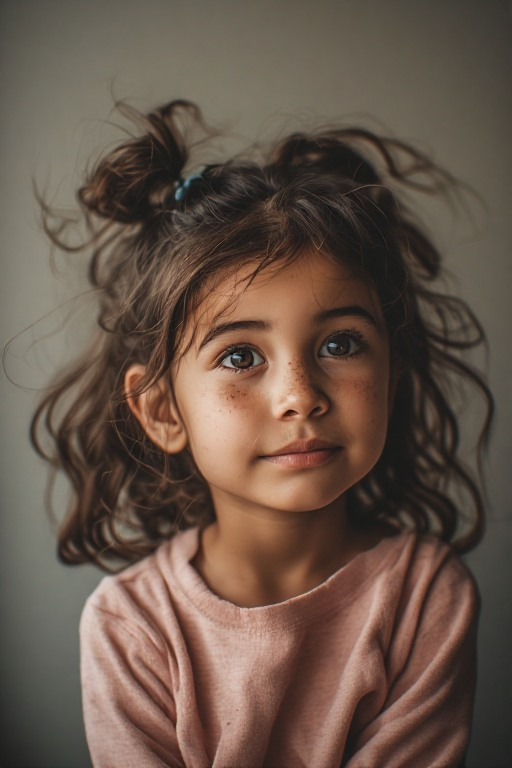
When your child sees you helping a neighbor, thanking a cashier, or checking on a friend, they learn that kindness is part of everyday life. These small actions teach powerful lessons without a formal lecture.
Try talking about your actions afterward so your child understands why kindness matters.
2. Teach Empathy Through Everyday Conversations
Empathy is one of the foundations of kindness.
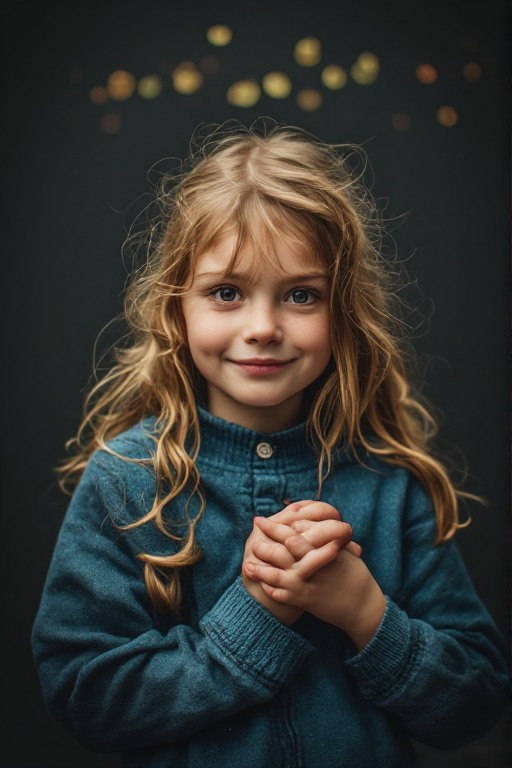
When conflicts happen, ask questions like:
- How do you think your friend felt?
- What would make you feel better in that situation?
- What could you do to help?
These questions encourage children to think beyond their own feelings and consider the experiences of others.
3. Praise Kind Actions More Than Achievements
Most children hear praise for grades, sports, and accomplishments.
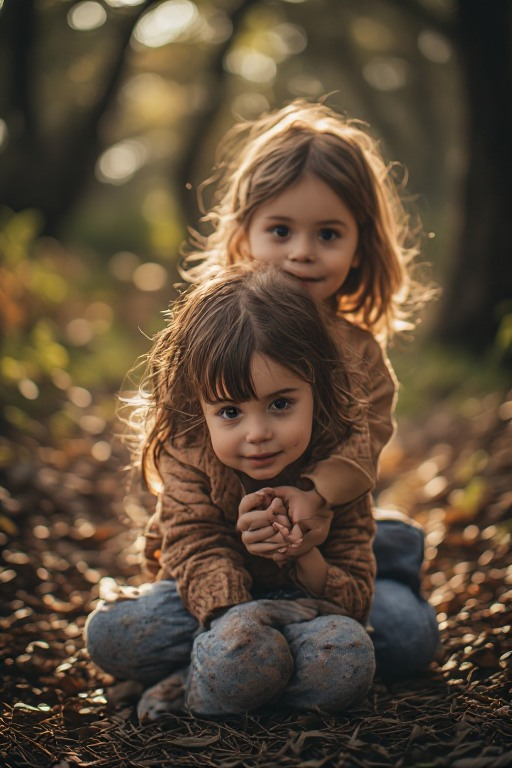
Make sure you also celebrate moments of kindness. When your child shares a toy, comforts a sibling, or helps someone without being asked, point it out.
You might say:
- “That was very thoughtful.”
- “I noticed how kind you were.”
- “You made someone’s day better.”
This helps children understand that kindness is something worth valuing.
4. Encourage Helping at Home
One of the easiest raising kind children ideas is involving kids in family responsibilities.
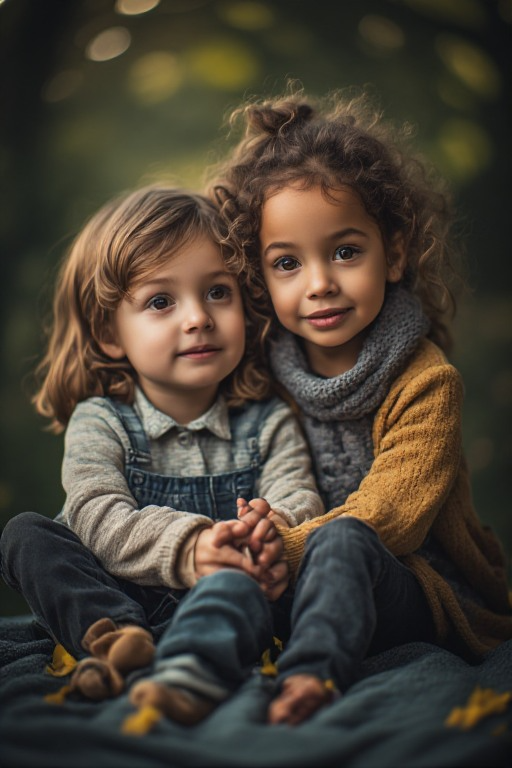
Simple tasks like:
- Setting the table
- Feeding a pet
- Helping with laundry
- Cleaning up toys
teach children that being part of a family means caring for others.
Helping at home builds responsibility and consideration for the people around them.
5. Read Books That Highlight Kindness
Stories are powerful teaching tools.
Books allow children to step into someone else’s world and experience different emotions. They can see examples of friendship, compassion, forgiveness, and generosity.
After reading together, ask your child what they learned about the characters’ feelings and choices.
6. Teach Respect for Differences
Kind children learn that everyone deserves respect.
Talk openly about different cultures, abilities, family structures, and backgrounds. Explain that people may look different, believe different things, or live differently, but everyone deserves kindness.
These conversations help children become accepting and compassionate as they grow.
7. Practice Gratitude Every Day
Gratitude and kindness often go hand in hand.
Try creating a simple family routine where everyone shares:
- One thing they’re thankful for
- One kind thing someone did for them
- One kind thing they did for someone else
This encourages children to notice positive actions and appreciate others.
8. Encourage Acts of Kindness Without Rewards
It can be tempting to offer prizes for good behavior.
However, kindness becomes more meaningful when children learn to help because it feels good, not because they expect something in return.
Instead of giving rewards, talk about how their actions helped another person.
9. Teach Polite Words Early
Simple manners are often a child’s first lessons in kindness.
Practice saying:
- Please
- Thank you
- Excuse me
- You’re welcome
These words may seem small, but they help children show respect and consideration for others every day.
10. Help Your Child Handle Big Emotions
Children who understand their own emotions often find it easier to understand other people’s emotions too.
When your child is upset, help them name their feelings rather than dismissing them.
You can say:
- “You seem frustrated.”
- “That must have felt disappointing.”
- “I understand why you’re upset.”
This emotional awareness supports empathy and compassionate behavior.