Learning Through Play Ideas That Actually Keep Kids Engaged
If you have ever spent money on toys your child ignored after five minutes, you are definitely not alone. Most moms are trying to balance keeping their kids entertained while also helping them learn something meaningful. And honestly? That can feel exhausting some days.
The good news is that learning through play ideas do not have to be expensive, complicated, or Pinterest-perfect. Kids naturally learn best when they are moving, exploring, pretending, and having fun. The simple little moments at home often teach them more than fancy activities ever could.
These learning through play ideas are easy, realistic, and actually work for toddlers and young kids. Many use things you already have at home, which is a huge win for busy moms.
Why Learning Through Play Works So Well
Children learn through hands-on experiences. When your child plays, their brain is building important skills like problem-solving, creativity, language, fine motor development, and emotional regulation.
Play also helps kids remember information better because they are emotionally involved and actively participating. That is why playful learning activities often work better than sitting still with worksheets.
The best part? Your child usually thinks they are “just playing.”
1. Sensory Bins for Hands-On Learning
Sensory bins are one of the easiest learning through play ideas because they keep kids busy while teaching multiple skills at once.
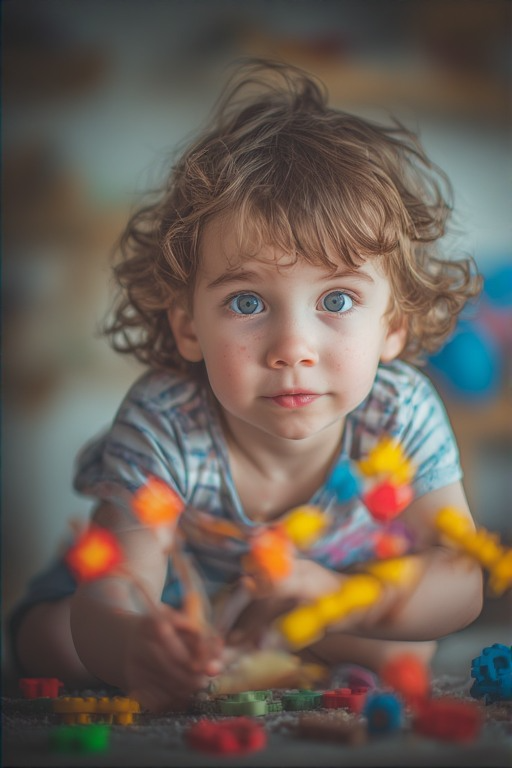
Fill a plastic container with:
- Rice
- Dry pasta
- Beans
- Water beads
- Sand
- Oats
Then add scoops, cups, toy animals, or alphabet letters.
This activity helps with:
- Fine motor skills
- Language development
- Problem-solving
- Sensory exploration
You can even create themed bins like dinosaurs, ocean animals, or construction sites to make it extra exciting.
2. Pretend Grocery Store
Kids absolutely love pretending to shop. Set up a mini grocery store using play food or real pantry items.

Give your child:
- A basket
- Paper money
- Sticky notes for prices
- Empty cereal boxes or snack containers
This playful activity teaches:
- Counting
- Early math skills
- Communication
- Social skills
Pretend play also helps children understand real-world situations in a safe and fun way.
3. Color Sorting Games
This simple activity works especially well for toddlers.
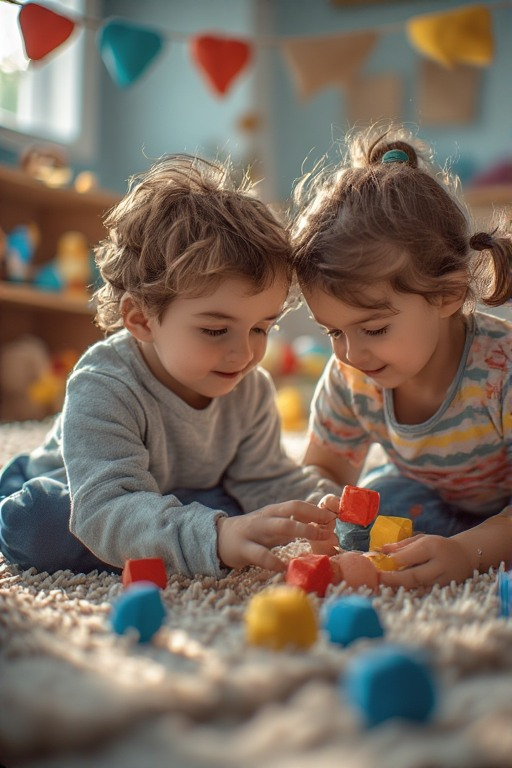
Grab colored cups or bowls and ask your child to sort objects by color. You can use:
- Pom-poms
- Blocks
- Crayons
- Socks
- Toy cars
Color sorting helps develop:
- Visual discrimination
- Focus
- Categorizing skills
- Hand-eye coordination
It is simple, but kids love the challenge.
4. Learning Through Play with Water Activities
There is something magical about water play. It keeps kids entertained for surprisingly long periods of time.
Fill a tub or sink with water and add:
- Measuring cups
- Sponges
- Plastic animals
- Toy boats
- Funnels
Water activities teach:
- Cause and effect
- Volume concepts
- Fine motor skills
- Scientific thinking
Just put down a towel first because things will absolutely get messy.
5. Build a Pillow Fort Together
Pillow forts are childhood magic.
Use blankets, couch cushions, and chairs to create a cozy fort. Once it is built, you can:
- Read books inside
- Use flashlights
- Pretend camp
- Tell stories
Fort building encourages:
- Creativity
- Engineering thinking
- Teamwork
- Problem-solving
Plus, it creates sweet memories your child will probably remember forever.
6. Nature Walk Treasure Hunt
This is one of the easiest educational activities for kids because it gets them outside and moving.
Create a simple list of things to find:
- A yellow flower
- A smooth rock
- Something soft
- A bird
- A leaf
Nature walks help children:
- Observe details
- Build vocabulary
- Practice mindfulness
- Learn about nature
Fresh air also helps improve moods for both moms and kids.
7. Playdough Learning Activities
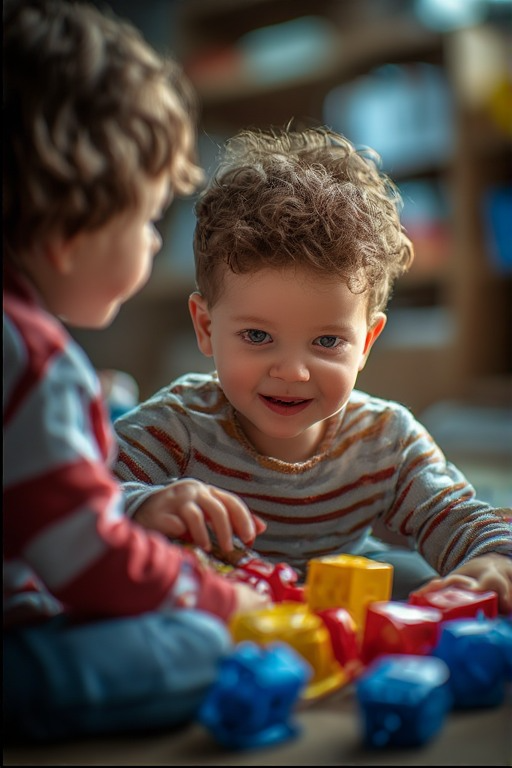
Playdough is amazing for learning through play because it strengthens little hand muscles while encouraging creativity.
You can use playdough for:
- Letter formation
- Number practice
- Shape building
- Pretend baking
- Animal creations
This activity supports:
- Fine motor development
- Early literacy
- Creativity
- Sensory learning
Homemade playdough works just as well if you want a budget-friendly option.
8. Dance and Freeze Games
When kids are bouncing off the walls, this activity helps burn energy while building listening skills.
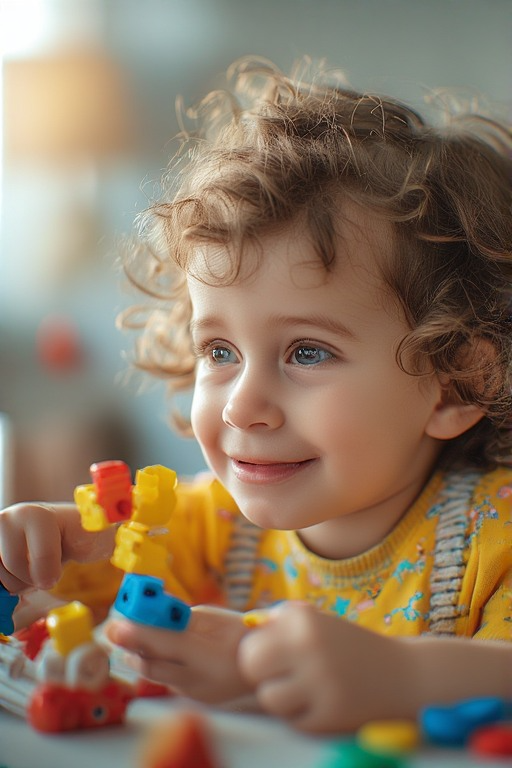
Play music and let your child dance. Pause the music randomly and everyone freezes.
This game teaches:
- Self-control
- Listening
- Coordination
- Body awareness
It is also one of those activities that secretly tires kids out before bedtime.
9. Simple Science Experiments
You do not need a fancy science kit to introduce science at home.
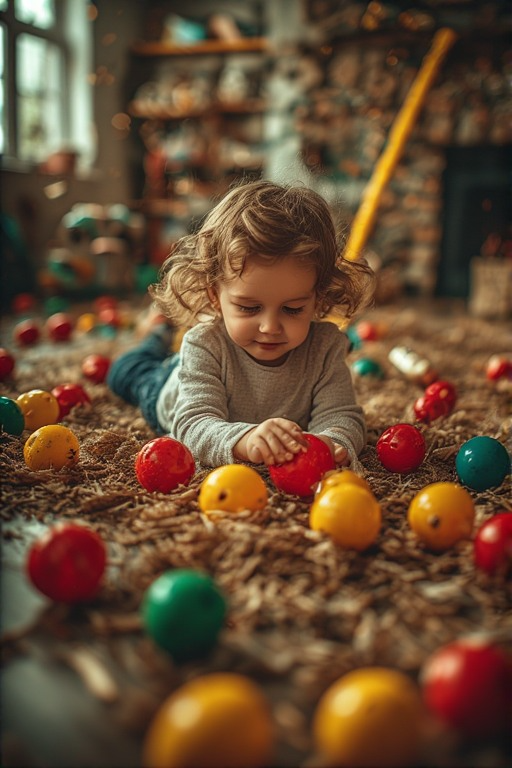
Easy experiments include:
- Baking soda and vinegar volcanoes
- Floating and sinking tests
- Ice melting races
- Rainbow milk experiments
Science play encourages:
- Curiosity
- Observation skills
- Critical thinking
- Prediction making
Kids learn best when they can explore and ask questions freely.
10. Story Basket Time
Reading becomes much more exciting when stories come alive.
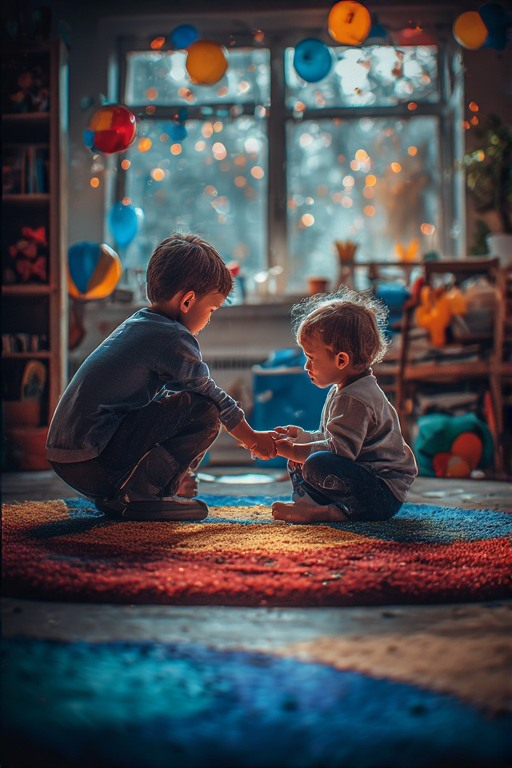
Fill a basket with:
- Books
- Stuffed animals
- Puppets
- Related toys
For example, if you read a farm book, include toy cows, pigs, and tractors.
This supports:
- Language development
- Imagination
- Story comprehension
- Early literacy skills
Children connect more deeply with stories when they can physically interact with them.