Reward Chart Ideas for Kids That Actually Motivate Good Behavior
If you’re searching for reward chart ideas for kids, chances are you’re dealing with at least one daily struggle. Maybe it’s getting your child to brush their teeth without a battle, clean up toys before bedtime, or follow simple routines without constant reminders.
First, take a deep breath. You’re not alone. Every parent has moments when they feel like they’re repeating the same instructions over and over again. Parenting is hard work, and sometimes you just need a tool that helps make things a little easier.
The good news is that reward charts can be incredibly effective when used the right way. Kids love seeing their progress, and visual rewards help them understand exactly what is expected of them. The key is choosing a chart that matches your child’s age, personality, and goals.
Here are 15 reward chart ideas for kids that parents actually use and love.
Why Reward Charts Work for Kids
Before jumping into the ideas, it helps to understand why reward charts are so popular.
Children thrive on routine and positive reinforcement. When they can clearly see what they’re working toward, they often feel more motivated to cooperate.
Reward charts also help:
- Build responsibility
- Encourage independence
- Create healthy habits
- Reduce power struggles
- Boost confidence through achievement
The goal isn’t perfection. It’s helping your child learn and practice positive behaviors one small step at a time.
1. Sticker Reward Chart
A classic sticker chart is simple but surprisingly effective.
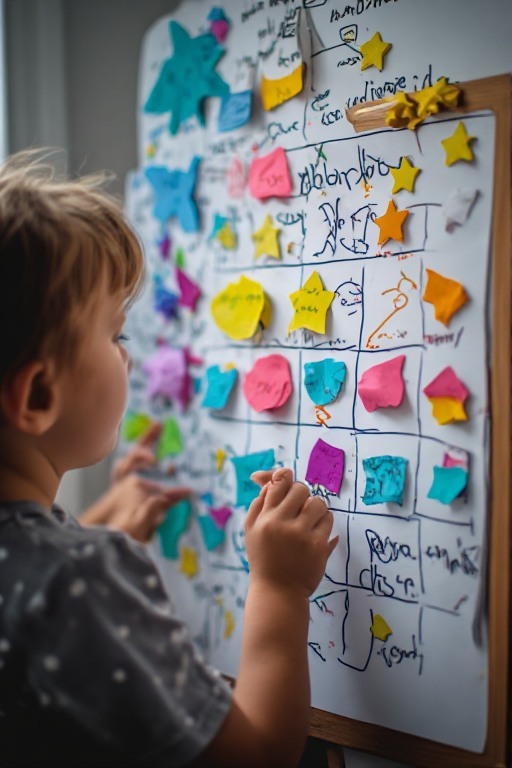
Choose one behavior you want to encourage, such as brushing teeth, making the bed, or putting dirty clothes in the hamper. Every time your child completes the task, they earn a sticker.
After collecting a certain number of stickers, they earn a reward like:
- Extra playground time
- A special dessert
- Choosing family movie night
- Staying up 15 minutes later
This works especially well for preschoolers and younger elementary-aged children.
2. Morning Routine Chart
Mornings can feel chaotic for many families.
Create a chart with tasks such as:
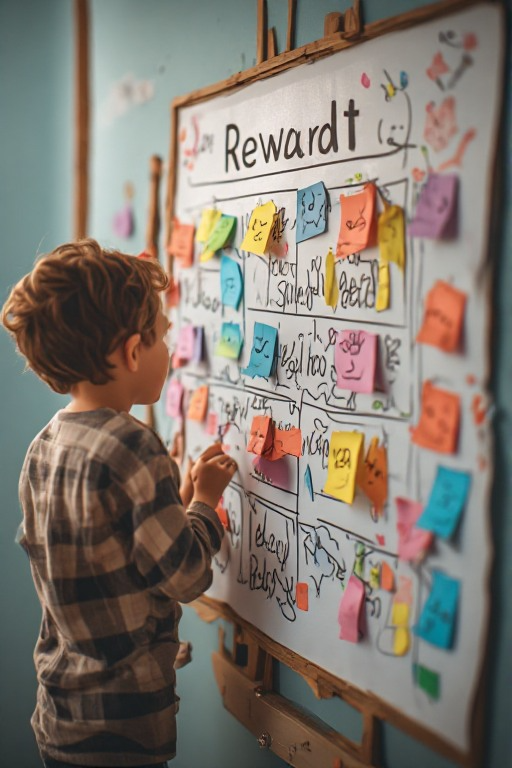
- Get dressed
- Brush teeth
- Eat breakfast
- Put on shoes
- Pack backpack
Each completed task earns a check mark or sticker.
Why it works: Kids can visually follow the routine without needing constant reminders from you.
3. Bedtime Reward Chart
If bedtime has become a nightly struggle, a bedtime chart can help.
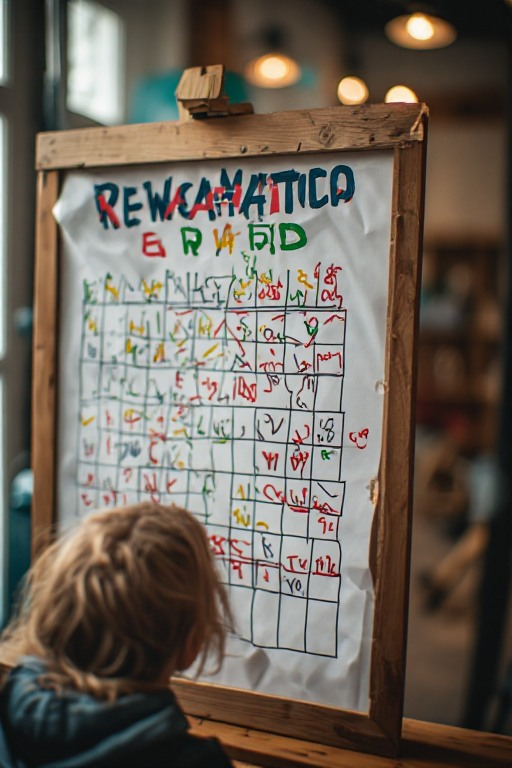
Include steps such as:
- Put away toys
- Take a bath
- Brush teeth
- Put on pajamas
- Stay in bed
After several successful nights, offer a small reward.
Many parents find this creates a calmer bedtime routine and fewer bedtime battles.
4. Reading Reward Chart
Encourage a love of books with a reading-themed chart.
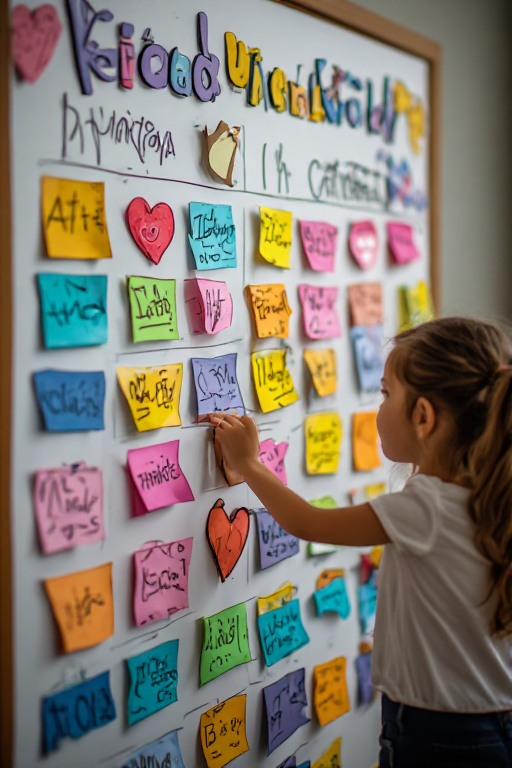
Your child can earn stars for:
- Reading independently
- Reading with a parent
- Finishing a book
- Visiting the library
After reaching a goal, reward them with a new book or a special reading day.
Why it works: Reading becomes associated with achievement and fun rather than pressure.
5. Kindness Challenge Chart
Behavior charts don’t have to focus only on chores.
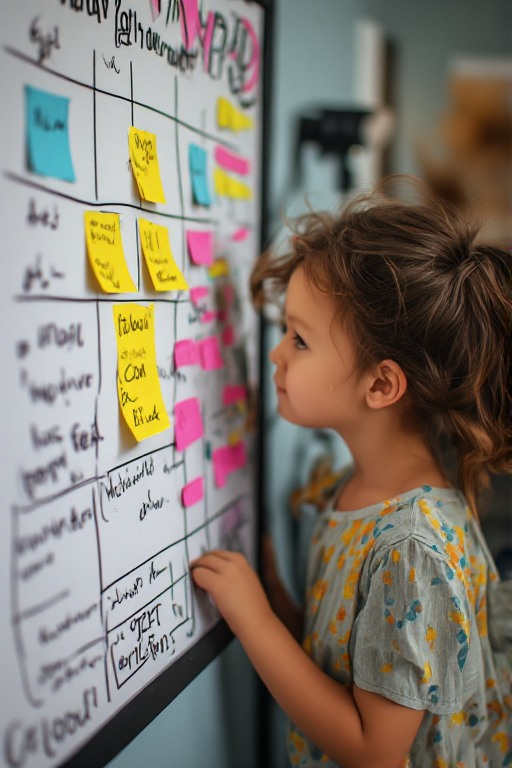
Create a kindness chart where children earn points for:
- Sharing
- Helping siblings
- Using polite words
- Showing empathy
- Helping around the house without being asked
This teaches important life skills while encouraging positive behavior.
6. Chore Reward Chart
A chore chart can help children contribute to the household in age-appropriate ways.
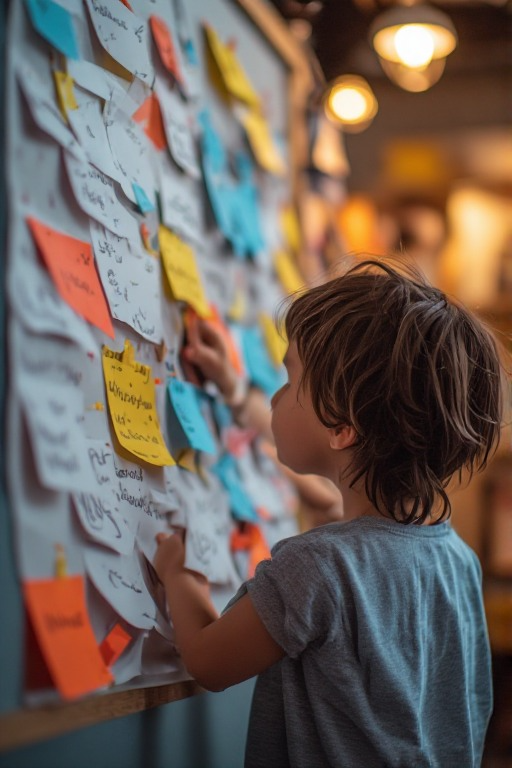
Tasks may include:
- Feeding pets
- Making the bed
- Clearing dishes
- Folding laundry
- Picking up toys
As children earn points, they can work toward rewards that feel meaningful to them.
Why it works: Kids learn responsibility while seeing the direct connection between effort and reward.
7. Marble Jar Chart
This reward system feels exciting because kids can actually watch progress build over time.
Each positive behavior earns a marble placed in a clear jar. Once the jar is full, the family celebrates with a special activity.
Ideas include:
- Family game night
- Ice cream outing
- Park adventure
- Movie night
This works especially well when multiple children are working toward the same goal.
8. Screen Time Reward Chart
Many parents struggle with screen time limits.
Instead of automatically giving screen time, let children earn it through positive behaviors.
Examples include:
- Completing homework
- Finishing chores
- Reading
- Practicing an instrument
Why it works: Children learn that privileges come with responsibility.
9. Weekly Responsibility Chart
Older kids often respond well to longer-term goals.
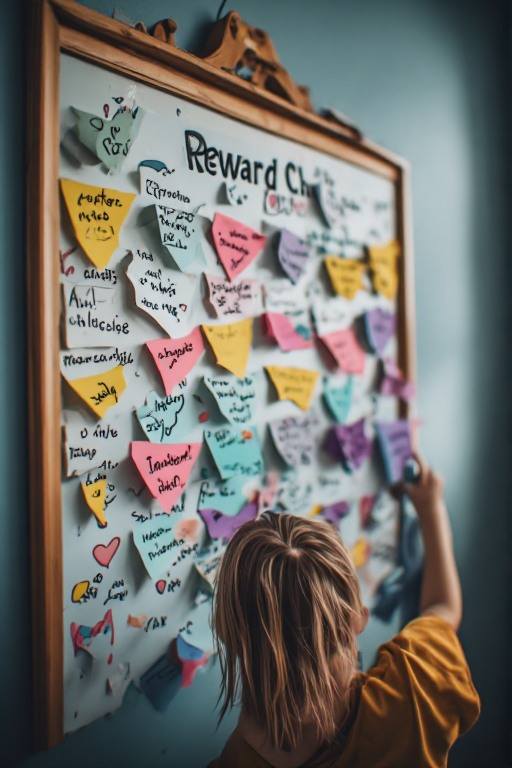
Create a chart that tracks behaviors throughout the week rather than daily.
At the end of the week, successful completion may earn:
- Extra allowance
- Choosing dinner
- Inviting a friend over
- Special one-on-one time with a parent
This helps build consistency and patience.
10. Potty Training Reward Chart
Potty training can be a big milestone for both kids and parents.
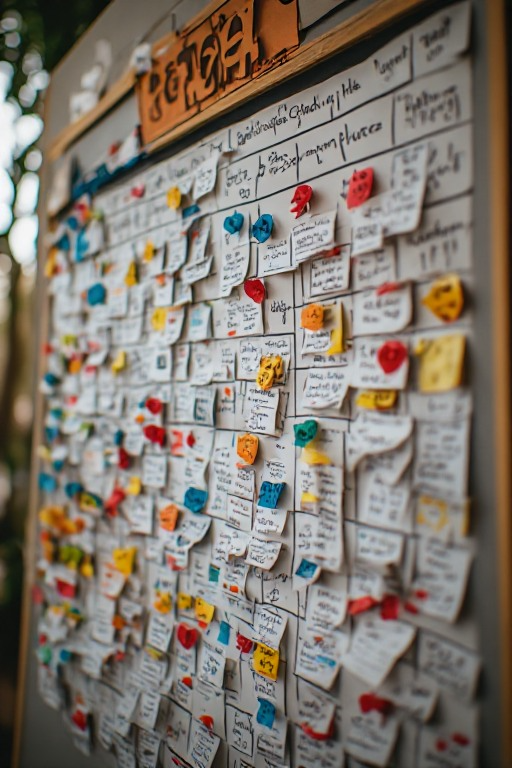
A simple chart can celebrate:
- Sitting on the potty
- Trying independently
- Successful potty trips
- Staying dry
Why it works: Small victories feel important and help build confidence during the potty-training process.