How to Introduce Solids to Baby Without Stress — A Simple Step-by-Step Guide for Parents
The first time you think about how to introduce solids to baby, it can feel both exciting and overwhelming. One minute your little one is happily drinking milk, and the next everyone seems to have an opinion about rice cereal, purees, baby-led weaning, and which foods to avoid. It is a lot to take in.
If you’re feeling nervous, you’re not alone. Every parent wonders if they’re doing it right. The good news is that introducing solids doesn’t have to be perfect. Your baby is learning, and so are you. This stage is about exploration, practice, and making mealtimes a positive experience.
When Is Your Baby Ready for Solids?
Most babies are ready to start solids around 6 months of age. Instead of focusing only on age, watch for signs that your baby is developmentally ready.
Your baby may be ready if they:
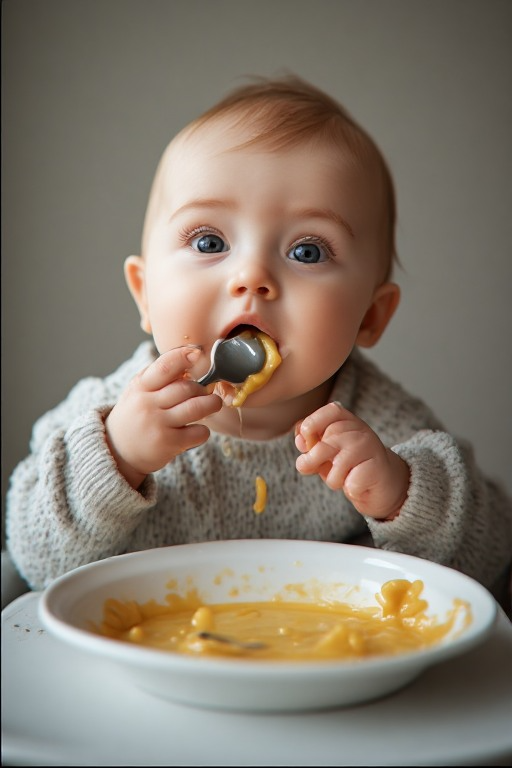
- Can sit up with little support.
- Have good head and neck control.
- Show interest in the food you’re eating.
- Open their mouth when food comes close.
- Can move food from the front of their mouth to the back to swallow instead of pushing it back out.
Every baby develops at their own pace. If your little one isn’t showing these signs yet, waiting a little longer is perfectly okay.
Why Introducing Solids Is Important
Milk is still your baby’s main source of nutrition during the first year. Solids are meant to complement breast milk or formula, not replace it.
As your baby grows, they need additional nutrients, especially iron and zinc. Introducing different foods also helps them learn new tastes, textures, and eating skills that they’ll use for years to come.
Step 1: Pick the Right Time of Day
Choose a time when your baby is:

- Awake
- Calm
- Not overly hungry
- Not too sleepy
Many parents find that offering solids after a small milk feeding works well. A baby who is extremely hungry may become frustrated and refuse to try something new.
Keeping everyone relaxed helps make mealtime more enjoyable.
Step 2: Start with One Simple Food
When learning how to introduce solids to baby, keeping it simple makes everything easier.
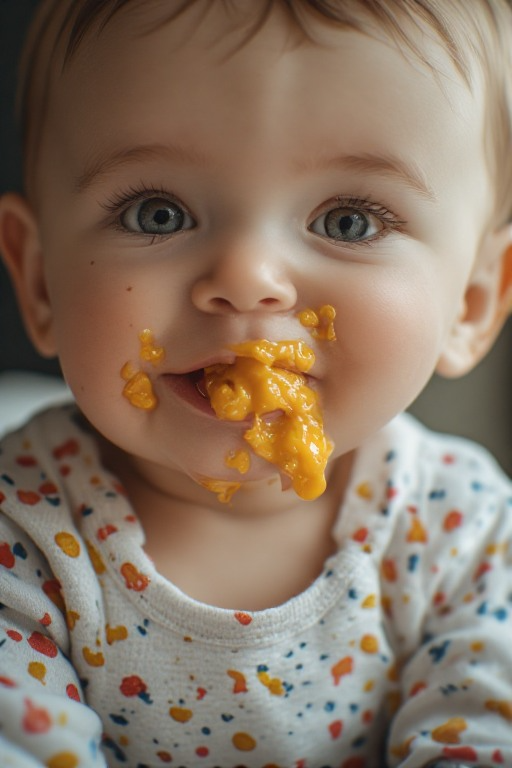
Good first foods include:
- Mashed avocado
- Pureed sweet potato
- Mashed banana
- Oatmeal cereal
- Pureed carrots
- Pureed peas
- Plain yogurt (unsweetened)
Offer just one new food at a time. This makes it easier to notice if your baby has any reactions.
Step 3: Offer Small Amounts
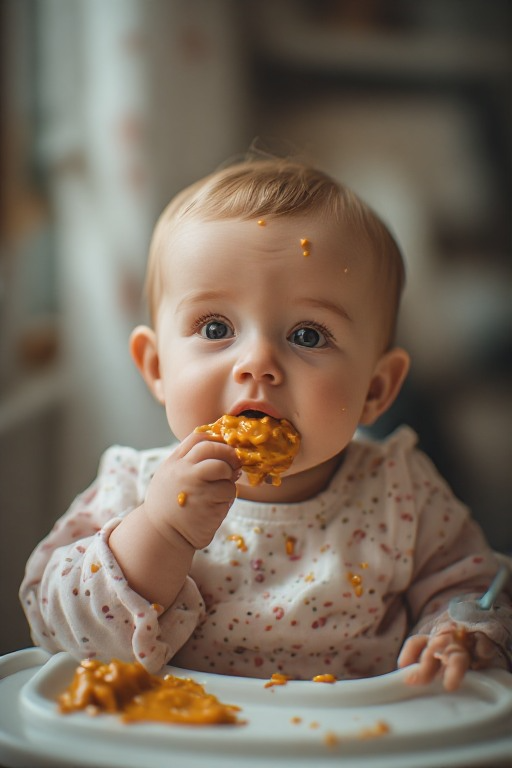
Your baby’s tummy is still very small.
Start with just:
- 1 to 2 teaspoons
- Once a day
Don’t worry if your baby only eats one bite. Some babies need several exposures before they accept a new food.
Remember, this stage is more about learning than eating large amounts.
Step 4: Go Slowly with New Foods
A helpful approach is introducing one new food every few days.

This gives your baby time to become familiar with each flavor while allowing you to watch for possible food allergies or sensitivities.
Common signs of a food reaction include:
- Rash
- Hives
- Swelling
- Vomiting
- Trouble breathing
If you notice severe symptoms, seek medical care immediately.
Step 5: Introduce Iron-Rich Foods Early
Around six months, babies need more iron than breast milk alone can provide.

Great iron-rich foods include:
- Iron-fortified baby cereal
- Pureed beef
- Chicken
- Turkey
- Lentils
- Beans
Pairing iron-rich foods with fruits or vegetables that contain vitamin C may help your baby’s body absorb iron more effectively.
Step 6: Let Your Baby Explore
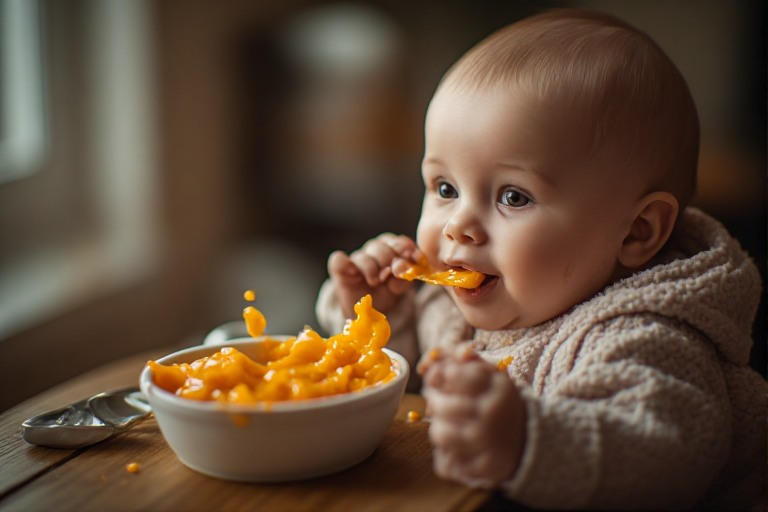
This part can be messy—and that’s completely normal.
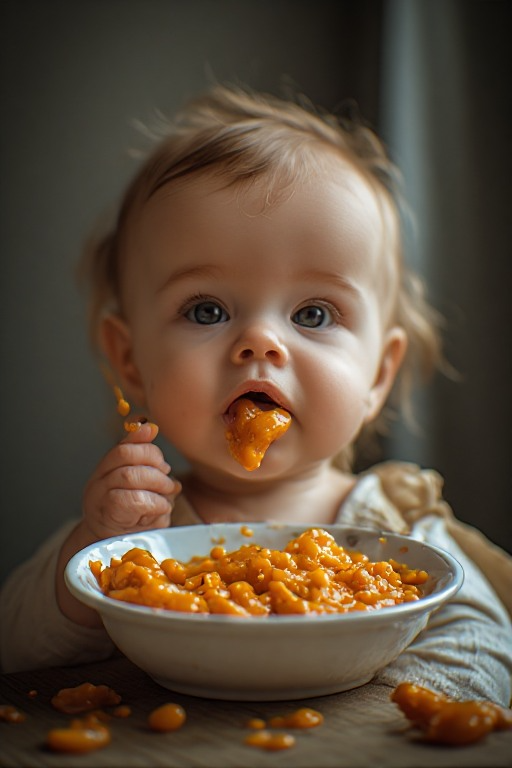
Your baby may:
- Squish the food.
- Throw it.
- Smear it on the tray.
- Put their hands in it.
Believe it or not, this is how babies learn. Touching, smelling, and tasting all help them become comfortable with new foods.
Try placing a washable mat under the high chair to make cleanup easier.
Step 7: Introduce Different Textures
As your baby becomes more confident, gradually move beyond smooth purees.
You can slowly introduce:
- Mashed foods
- Soft mashed vegetables
- Small soft fruit pieces
- Scrambled eggs
- Soft pasta
- Cottage cheese
Learning different textures helps develop chewing skills and may reduce picky eating later.
Foods to Avoid During the First Year
Some foods should wait until your baby is older.
Avoid:
- Honey
- Whole grapes
- Popcorn
- Whole nuts
- Hard candy
- Large chunks of meat
- Unpasteurized dairy products
- Excess salt
- Added sugar
These foods can increase the risk of choking or illness.