Free Printable Visual Schedule for Kids — Morning, After School, and Bedtime Routines
Some days it can feel like you are repeating the same instructions over and over again.
“Put your shoes on.” “Brush your teeth.” “Pack your backpack.” Five minutes later, your child is building a blanket fort instead. If this sounds familiar, you are definitely not alone.
A visual schedule for kids can be a game-changer for busy families. It helps children understand what comes next in their day without needing constant reminders from you. Even better, it can reduce power struggles, ease transitions, and help kids feel more confident and independent.
The good news is that you do not need anything fancy to get started. A simple visual schedule can make mornings smoother, after-school routines calmer, and bedtime less stressful for everyone.
What Is a Visual Schedule for Kids?
A visual schedule is a set of pictures, icons, or simple words that show children the steps they need to follow throughout the day.
Instead of hearing verbal instructions repeatedly, your child can look at the schedule and see exactly what comes next. This creates predictability and helps children feel more secure.
Visual schedules work especially well for:
- Toddlers
- Preschoolers
- Kindergarten-aged children
- Children with ADHD
- Children who struggle with transitions
- Kids who thrive on routine
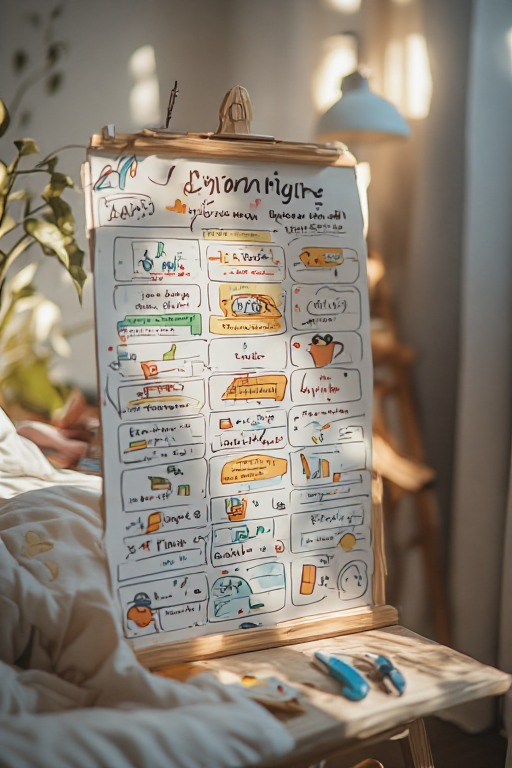
Many parents are surprised by how quickly children learn to follow a visual routine once it becomes part of daily life.
Why Visual Schedules Work So Well
Children often have trouble switching from one activity to another. They may be deeply focused on playing and not ready to move on to the next task.
A visual schedule helps because it removes some of the uncertainty. Instead of feeling like a parent is suddenly interrupting them, kids can see what is expected ahead of time.
Benefits include:
- Fewer daily meltdowns
- Less arguing about routines
- Increased independence
- Better time management skills
- More confidence in completing tasks
- Reduced stress for parents
Nobody tells you this, but many behavior challenges are actually transition challenges. A visual schedule helps make those transitions easier.
Free Printable Visual Schedule for Kids: Morning Routine
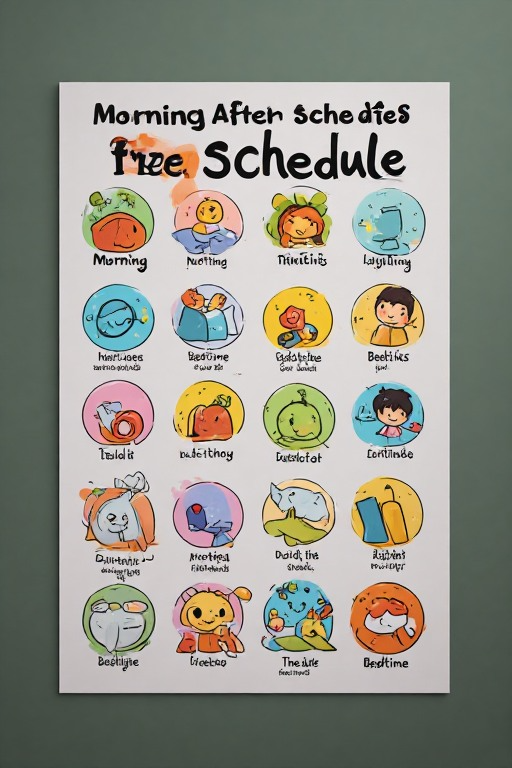
Morning routines can be one of the hardest parts of the day.
Everyone is trying to get out the door on time, and even one distraction can throw everything off. A visual schedule helps children stay focused on what needs to happen next.
Morning Routine Checklist
- Wake up
- Make the bed
- Use the bathroom
- Brush teeth
- Wash face
- Get dressed
- Eat breakfast
- Put on shoes
- Grab backpack
- Leave for school
You can print this routine and place it somewhere your child sees every morning.
Why This Works
Children often forget steps when they are only told verbally. Seeing each task visually helps them stay on track without needing constant reminders.
Over time, many kids begin completing tasks independently because the routine becomes familiar.
Free Printable Visual Schedule for Kids: After-School Routine
After school can be surprisingly challenging.
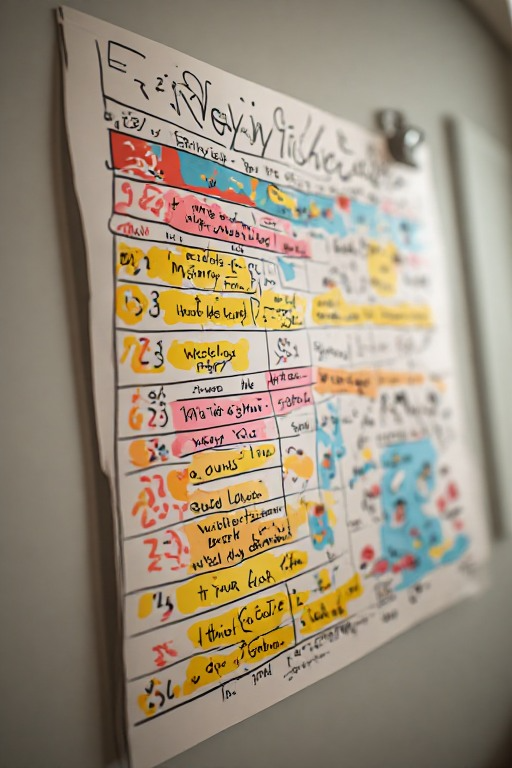
Your child may be tired, hungry, overstimulated, or emotionally drained from the school day. A predictable routine helps them transition back into home life more smoothly.
After-School Routine Checklist
- Hang up backpack
- Wash hands
- Have a healthy snack
- Relax for 15 to 20 minutes
- Complete homework
- Read or practice skills
- Playtime
- Family time
- Dinner
Why This Works
Kids often need a decompression period after school. Giving them a predictable sequence helps reduce resistance and makes homework time much easier.
When children know playtime is coming later, they are often more willing to complete responsibilities first.
Free Printable Visual Schedule for Kids: Bedtime Routine
If bedtime feels like a nightly battle, a visual schedule may help more than you expect.
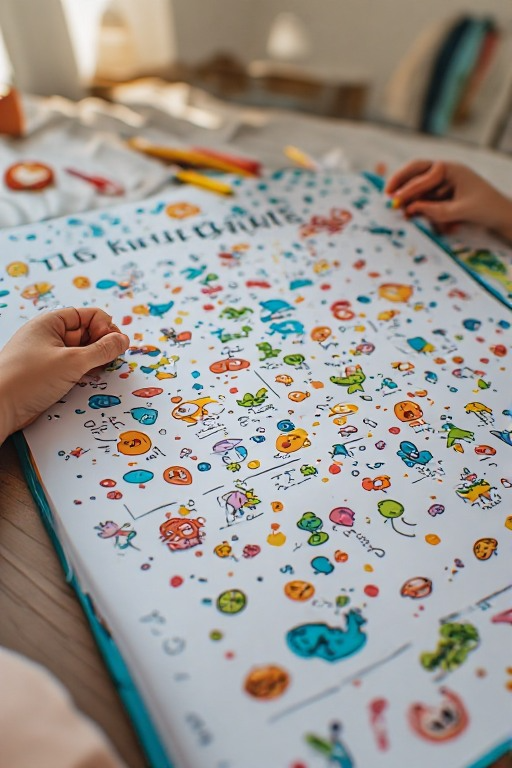
Many children resist bedtime because they do not want the day to end. A consistent routine helps signal to the brain that sleep is approaching.
Bedtime Routine Checklist
- Clean up toys
- Take a bath or shower
- Put on pajamas
- Brush teeth
- Use the bathroom
- Read a book
- Cuddle and talk
- Lights out
Why This Works
Children feel safer when they know exactly what to expect. Repeating the same bedtime sequence every night helps their bodies prepare for sleep naturally.
A visual bedtime routine also reduces the need for repeated reminders from parents.
How to Create Your Own Visual Schedule
You do not need special supplies or expensive materials.
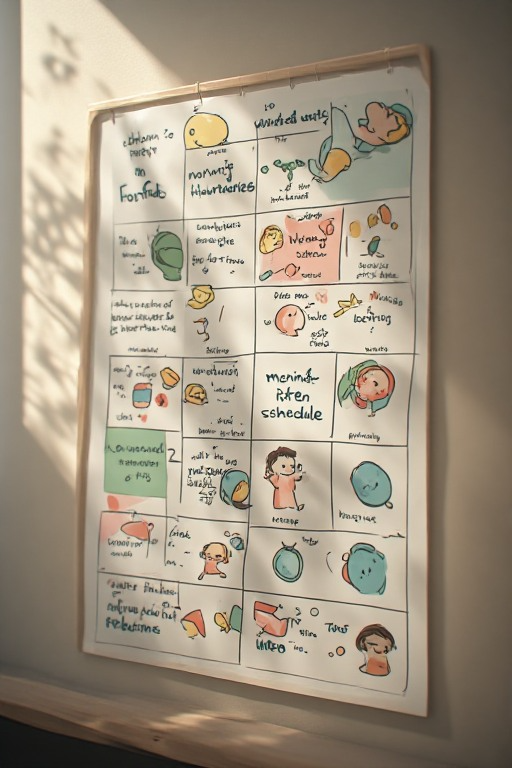
In fact, some of the best visual schedules are incredibly simple.
1. Choose Your Routine
Start with one part of the day that feels most challenging.
For many families, this is either the morning routine or bedtime routine.
2. Keep It Short
Too many steps can feel overwhelming.
For younger children, start with just 4 to 6 tasks. You can always add more later as they become comfortable.
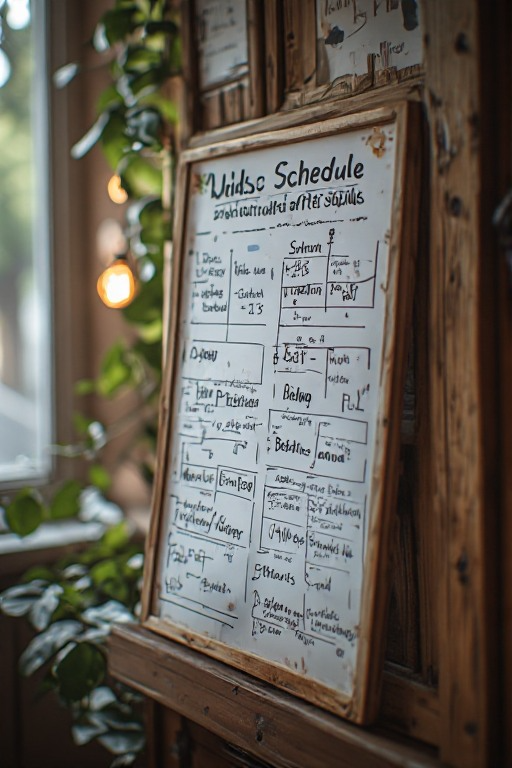
3. Use Pictures
Young children respond well to visuals.
You can use:
- Photos of your child doing each task
- Printable icons
- Drawings
- Clipart images
Pictures make it easier for non-readers to follow along.
4. Place It at Eye Level
A schedule cannot help if your child never sees it.
Place it where the routine happens, such as:
- Bathroom mirror
- Bedroom wall
- Kitchen area
- Near the front door
5. Let Your Child Participate
Children are more likely to use something they helped create.
Allow your child to choose pictures, decorate the chart, or place stickers after completing tasks.
Common Mistakes Parents Make
Even the best visual schedule needs a little time to work.
Here are some common mistakes to avoid:
Changing the Routine Too Often
Consistency is key.
If the schedule changes every day, children may become confused and stop relying on it.
Expecting Instant Results
It takes time for new habits to form.
Most children need several weeks of consistent practice before routines begin to feel automatic.
Making It Too Complicated
Simple is usually better.
A straightforward visual schedule is often more effective than a detailed chart packed with too much information.
Tips for Making a Visual Schedule Successful
Try these simple strategies:
- Review the schedule together each morning.
- Praise effort, not perfection.
- Use positive language.
- Keep routines predictable.
- Celebrate small successes.
- Update visuals as your child grows.
Remember, the goal is progress, not perfection.
Some days will still be messy, and that is completely normal.