
How to Teach Toddlers Good Habits That Actually Stick — Simple Daily Tips for Parents
Toddlers seem to learn something new every single day. One minute they are copying everything you do, and the next they are testing every boundary you set. If you’re wondering how to teach toddlers good habits, you’re definitely not alone.
The truth is, this stage can feel exhausting. Some days you repeat the same reminder twenty times, and it feels like nothing is sinking in. But here’s the good news: toddlers learn through consistency, repetition, and your example—not perfection.
Building good habits now gives your child a strong foundation for the years ahead. It won’t happen overnight, but those little daily moments really do add up.
Why Good Habits Matter During the Toddler Years
The toddler years are when children begin forming routines that can last into childhood and beyond. Their brains are developing quickly, making this the perfect time to introduce simple, positive habits.
Good habits also help toddlers feel secure. Predictable routines reduce stress because your child knows what to expect each day.
1. Start With One Habit at a Time
It is tempting to work on everything at once—cleaning up toys, washing hands, saying “please,” brushing teeth, and eating vegetables.
Instead, focus on one habit until it becomes part of your child’s routine. Once they are comfortable with it, introduce another.
Why it works:
- Toddlers learn through repetition.
- Too many new expectations can feel overwhelming.
- Small successes build confidence.
2. Be the Example Every Day
Toddlers love copying adults. If they see you putting dishes away, washing your hands, or saying “thank you,” they’ll naturally want to imitate you.

Remember that your actions teach much louder than your words. Even when you don’t realize it, your child is always watching.
Some simple habits to model include:
- Washing hands before meals
- Saying “please” and “thank you”
- Cleaning up after yourself
- Reading before bedtime
- Drinking water regularly
3. Keep Routines Simple and Predictable
Children thrive on routines because they help the day feel safe and organized.
Create simple daily routines such as:
Morning Routine
- Wake up
- Use the bathroom
- Brush teeth
- Get dressed
- Eat breakfast
Bedtime Routine
- Bath
- Pajamas
- Brush teeth
- Read a story
- Goodnight hugs
When the order stays the same, toddlers begin doing many of these steps without reminders.
4. Use Positive Praise
Children respond much better to encouragement than constant correction.
Instead of saying:
“You never clean up your toys.”
Try saying:
“I love how you put your blocks away all by yourself.”
Specific praise helps toddlers understand exactly what they did well and makes them want to repeat that behavior.
5. Turn Habits Into Fun Games
Nobody tells you this, but toddlers learn best while playing.

Try making everyday tasks exciting.
For example:
- Race to pick up toys before a timer ends.
- Sing a handwashing song.
- Pretend the toothbrush is chasing sugar bugs.
- Count toys as you put them away.
Why it works:
Play keeps toddlers engaged and makes routines feel enjoyable instead of like chores.
6. Keep Expectations Age Appropriate
Sometimes parents expect too much too soon.
A two-year-old will need lots of reminders. A three-year-old may start doing simple routines with help.
Focus on progress instead of perfection.
Remember:
- Short attention spans are normal.
- Forgetting is normal.
- Needing reminders is normal.
7. Offer Simple Choices
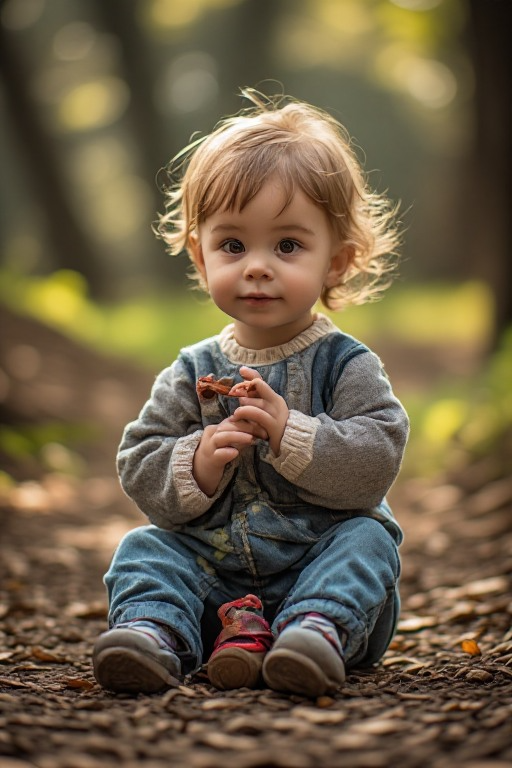
Toddlers love feeling independent.
Instead of giving commands all day, offer two simple options.
For example:
- “Would you like the blue toothbrush or the green one?”
- “Do you want to clean up the blocks or the cars first?”
Giving choices helps reduce power struggles while still teaching responsibility.
8. Stay Consistent
Consistency is probably the biggest secret when learning how to teach toddlers good habits.
If one day toys must be cleaned up and the next day they don’t, toddlers become confused.
Keep your expectations the same every day. Eventually your child will know exactly what comes next.
9. Avoid Punishing Honest Mistakes
Toddlers are learning—not trying to be difficult.
If your child forgets a habit, gently remind them without yelling.
For example:
“It looks like we forgot to wash our hands. Let’s do it together.”
This teaches the habit without creating fear or shame.
10. Celebrate Small Wins
Big celebrations aren’t necessary.

Simple encouragement goes a long way.
Ideas include:
- High-fives
- Extra hugs
- Happy dances
- Sticker charts
- Letting your toddler tell another family member about their success
These little celebrations build confidence and motivation.