Kids Routine Chart Ideas That Make Daily Life So Much Easier
Some days, getting your child to brush their teeth, get dressed, and put away their toys can feel like a full-time job. If you’re constantly repeating the same reminders over and over, you are definitely not alone.
The good news is that kids thrive on structure. A simple routine can help reduce power struggles, create predictability, and give your child a sense of independence. That is why so many parents are searching for practical kids routine chart ideas that actually work in real life.
Whether you have a toddler, preschooler, or school-age child, the right routine chart can turn chaotic mornings and stressful evenings into smoother, calmer parts of the day. Here are some creative and realistic routine chart ideas you can start using right away.
Why Routine Charts Work So Well for Kids
Children feel more secure when they know what comes next. A visual routine chart helps them understand expectations without needing constant reminders from you.
Routine charts also:
- Encourage independence
- Build responsibility
- Reduce morning stress
- Help with time management
- Create healthy daily habits
Most importantly, routine charts turn daily tasks into something kids can actually see and follow.
1. Simple Morning Routine Chart
A morning routine chart is one of the easiest ways to start building independence.
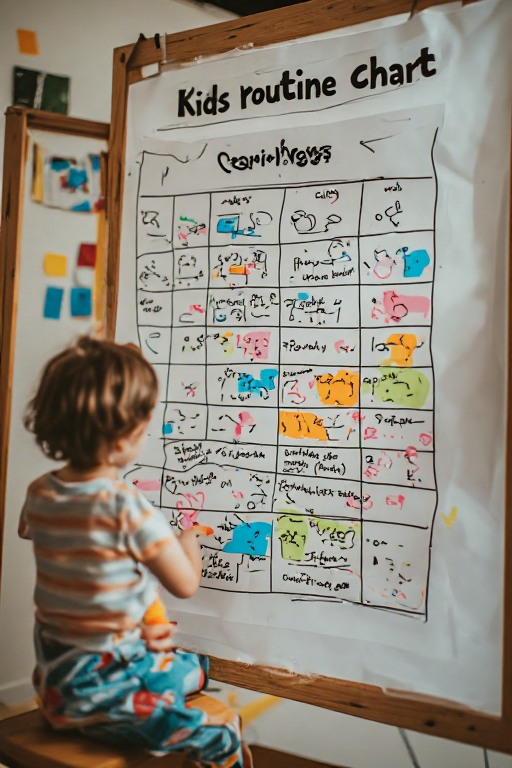
Include tasks such as:
- Wake up
- Use the bathroom
- Brush teeth
- Get dressed
- Eat breakfast
- Pack backpack
- Put on shoes
Young children often get distracted easily. Having each step displayed visually helps them stay focused and move through their morning without constant prompting.
2. Bedtime Routine Chart
Bedtime battles are exhausting. A bedtime routine chart gives your child a clear roadmap for winding down.
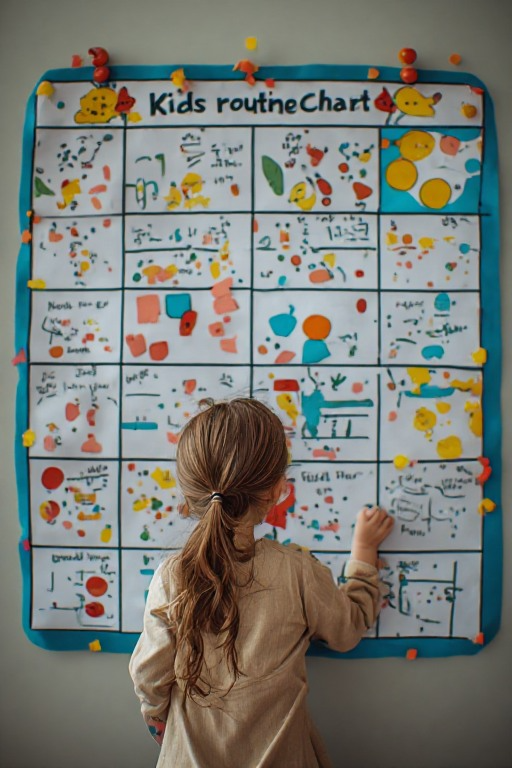
Your chart might include:
- Bath time
- Pajamas
- Brush teeth
- Story time
- Goodnight hugs
- Lights out
This works because children know exactly what to expect. Predictability helps their brains prepare for sleep and can reduce bedtime resistance.
3. Picture-Based Routine Chart for Toddlers
Toddlers cannot always read words, but they can understand pictures.
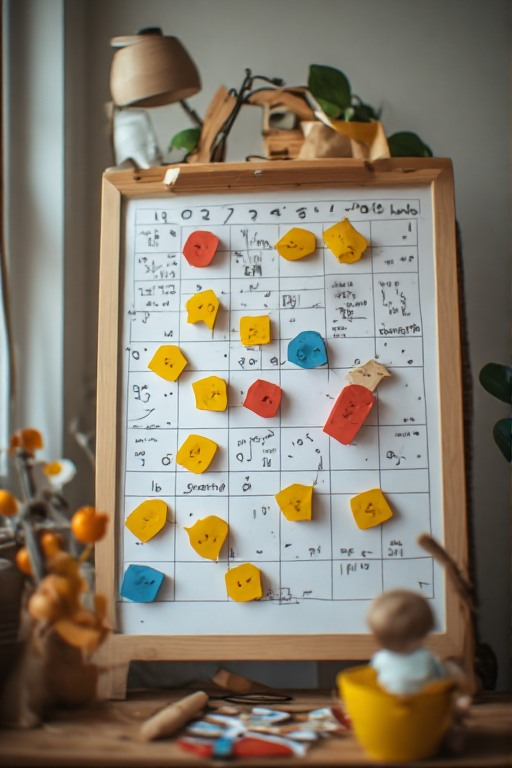
Use simple images showing:
- Washing hands
- Eating meals
- Putting away toys
- Getting dressed
- Going to bed
Visual cues make it easier for toddlers to follow routines and understand expectations before they can read.
4. School-Day Routine Chart
School mornings can feel rushed and stressful.
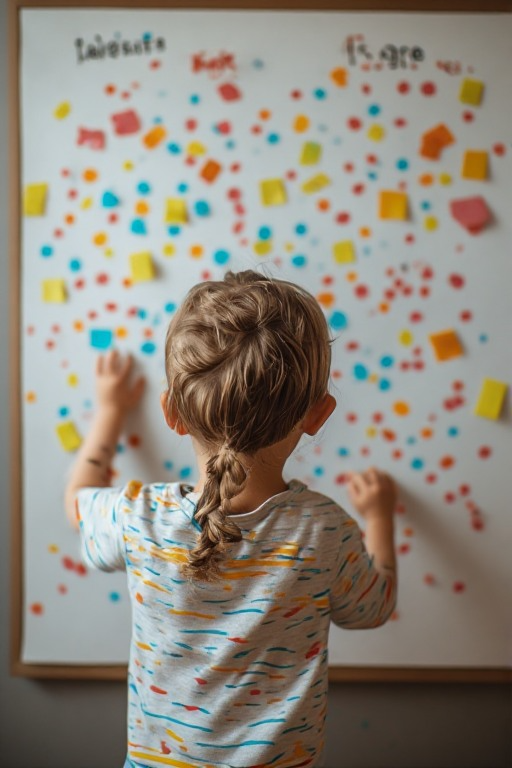
A school-day chart helps kids remember important responsibilities like:
- Making their bed
- Packing homework
- Filling water bottles
- Putting lunch in their backpack
- Getting ready on time
This routine builds responsibility and reduces the number of things parents have to remember for them.
5. After-School Routine Chart
Many children come home from school tired and overwhelmed.
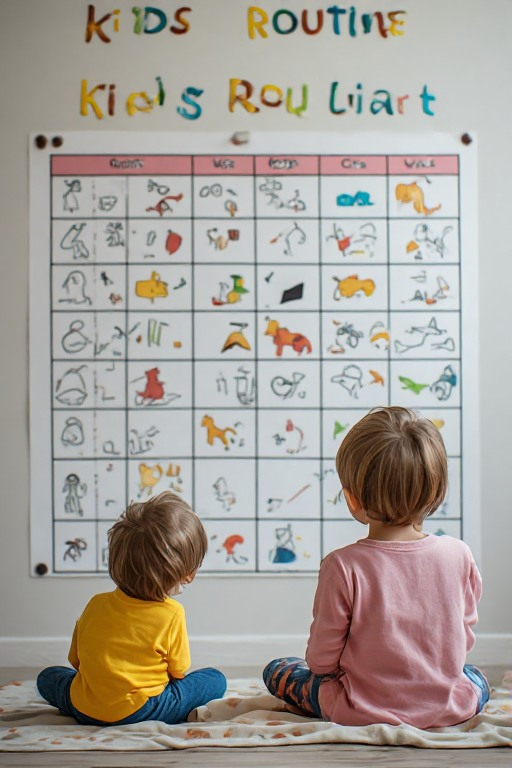
A structured after-school routine might include:
- Hang up backpack
- Wash hands
- Eat a snack
- Complete homework
- Playtime
- Dinner
- Family time
This creates a healthy balance between responsibilities and relaxation.
6. Chore Routine Chart
Teaching chores does not have to involve constant reminders.
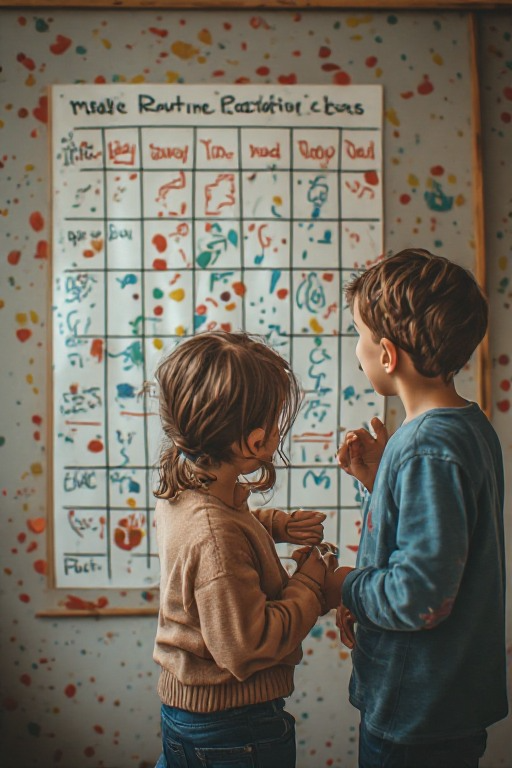
Age-appropriate chores may include:
- Feeding pets
- Making the bed
- Putting laundry away
- Clearing dishes
- Tidying toys
A chore chart helps children see their responsibilities and take ownership of helping around the house.
7. Weekly Routine Chart
Some activities only happen on certain days.
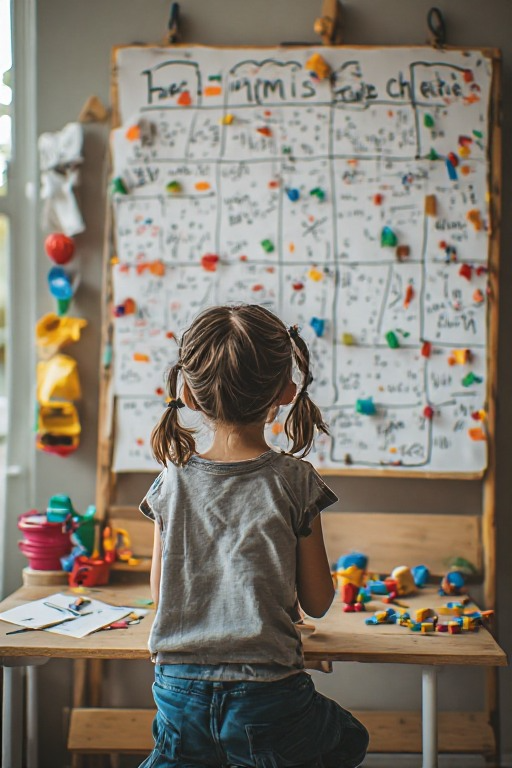
A weekly chart can include:
- Soccer practice
- Dance lessons
- Library visits
- Family movie night
- Homework assignments
Seeing the week’s schedule helps kids feel prepared and reduces anxiety about upcoming activities.
8. Color-Coded Routine Chart
If you have multiple children, color coding can be a lifesaver.
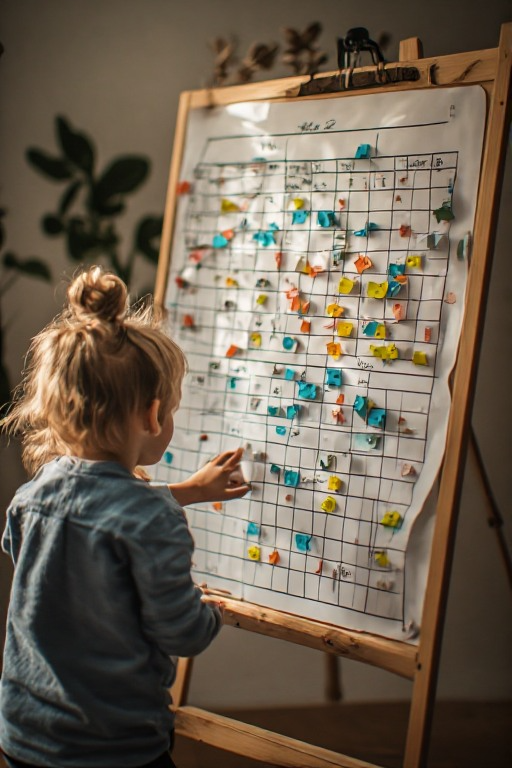
Assign each child a color and use matching tasks or sections. This makes it easy for everyone to know what belongs to them and helps prevent confusion.
Many moms find this especially helpful for busy mornings with several children.
9. Reward-Based Routine Chart
Sometimes children need extra motivation while building new habits.
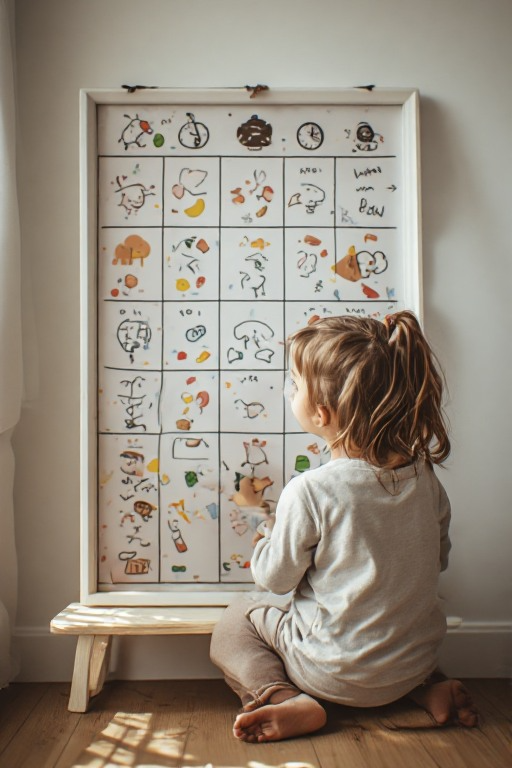
Create a chart where kids earn:
- Stickers
- Stars
- Points
- Small rewards
The goal is not bribery. It is helping children connect positive actions with positive outcomes while habits become established.
10. Independence Routine Chart
As children grow older, they want more independence.
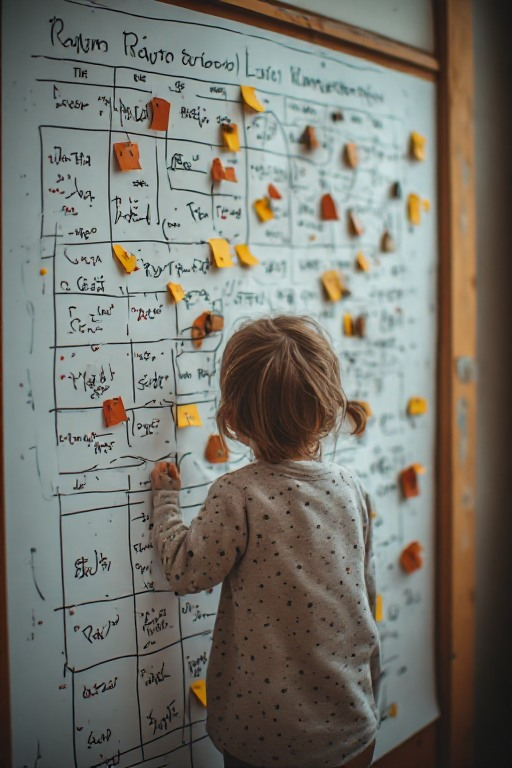
An independence-focused chart might include:
- Choosing clothes
- Packing school items
- Preparing simple snacks
- Cleaning up after activities
These responsibilities help children develop confidence and life skills they will use for years.