

Birth Plan Ideas Nobody Tells You — What Actually Helps During Labor
If you’re thinking about your birth plan ideas, you’re probably feeling a mix of excitement and “wait… what am I supposed to include?”
You might have Googled a few templates, seen some long checklists, and suddenly felt overwhelmed. That’s completely normal. Nobody really tells you how personal (and flexible) a birth plan needs to be.
Here’s the truth: your birth plan isn’t about controlling every moment. It’s about helping you feel safe, heard, and supported during one of the biggest experiences of your life.
Let’s walk through the birth plan ideas that actually matter — the ones moms wish they had thought about ahead of time.
What Is a Birth Plan (Really)?
A birth plan is simply a way to communicate your preferences to your care team.
It can include things like:
- Pain management choices
- Who you want in the room
- How you want labor to feel (calm, quiet, active)
- Your wishes after baby is born
But here’s the part nobody says out loud: things can change. And that’s okay. Your plan is a guide, not a rulebook.
1 Birth Plan Ideas That Actually Make a Difference
1. Set the Mood You Want

Labor isn’t just physical — it’s emotional too.
Think about what helps you feel calm:
- Dim lighting
- Soft music or white noise
- Minimal interruptions
This works because your body releases oxytocin (the labor hormone) better when you feel relaxed and safe. A peaceful environment can actually support smoother labor.
2. Decide Who You Want in the Room

This is a big one — and it’s okay to be picky.
Ask yourself:
- Do I feel comfortable being vulnerable around this person?
- Will they support me or stress me out?
Whether it’s your partner, a doula, or just one trusted person, the right support can make you feel stronger and more in control.
3. Think About Pain Relief Options Ahead of Time

You don’t have to decide everything now, but it helps to understand your options.
You might include:
- Epidural
- IV pain medication
- Natural pain management (breathing, movement, water)
Knowing your preferences ahead of time reduces panic in the moment. And yes, you’re allowed to change your mind — many moms do.
4. Plan for Movement During Labor

A lot of first-time moms don’t realize how helpful movement can be.
You can request:
- Walking during early labor
- Using a birthing ball
- Trying different positions (squatting, side-lying, hands and knees)
Movement helps your baby descend and can reduce discomfort naturally.
5. Include Your Preferences for Interventions

This part can feel intimidating, but it’s important.
Think about your comfort level with:
- Induction
- Continuous monitoring
- Breaking your water
- Episiotomy
You don’t need to say “no” to everything — just note your preferences so your provider knows to discuss options with you first.
6. Add a “Just in Case” Cesarean Section Plan
Nobody likes to think about this, but it’s one of the most helpful birth plan ideas.
Consider:
- Who can be with you
- If you want immediate skin-to-skin
- Music or calm environment in the OR
Having a backup plan helps you feel less anxious if things don’t go as expected.
7. Think About Pushing Preferences

When it’s time to push, your comfort matters.
You can include:
- Whether you want coached pushing or to follow your body
- Positions you’d like to try
- Whether you want a mirror (some moms love it, some don’t)
This gives you a sense of control during an intense moment.
8. Decide About Delayed Cord Clamping
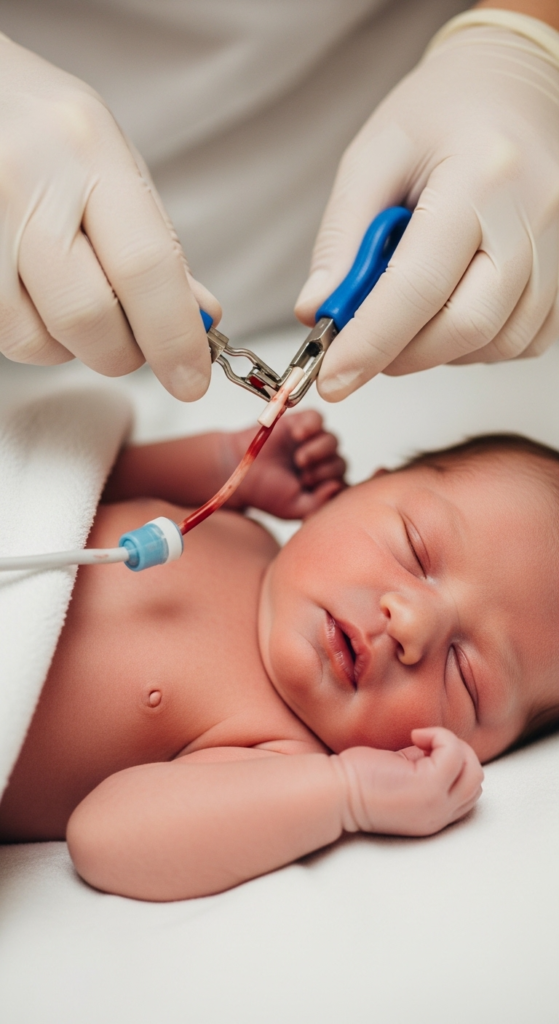
Many moms don’t know about this option.
Delayed cord clamping means waiting a minute or more before cutting the cord. It allows extra blood flow to your baby, which can support iron levels.
If this matters to you, add it to your birth plan so your team is aware.
9. Plan for Immediate Skin-to-Skin Contact

This is one of the most powerful bonding moments.
You can request:
- Baby placed on your chest right after birth
- Delaying routine procedures (like weighing)
Skin-to-skin helps regulate your baby’s temperature, heart rate, and breathing — and it helps you feel connected right away.
10. Include Your Feeding Preferences

Whether you plan to breastfeed, formula feed, or a mix — your choice matters.
You might include:
- Immediate breastfeeding support
- No bottles or pacifiers unless medically necessary
- Lactation consultant help
Having this written down helps avoid confusion in those first emotional hours.