Healthy Pregnancy Diet Secrets Nobody Tells You
1. You Don’t Need to Eat Perfectly Every Day
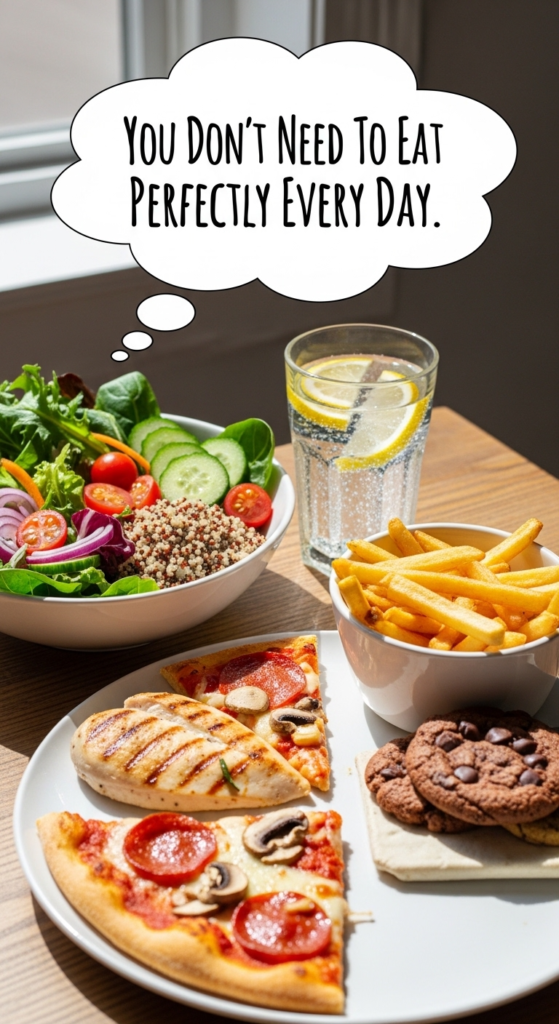
Some days you’ll eat salads and smoothies. Other days, crackers and toast are all you can handle.
That’s okay.
Consistency over time matters more than one “bad” day. Give yourself grace — especially during the first trimester.
2. Protein Is Your Best Friend
Protein helps your baby grow and keeps you feeling full longer.
Easy ways to add protein:
- Eggs
- Greek yogurt
- Chicken or turkey
- Lentils and beans
- Peanut butter
Try to include protein in every meal, even snacks. It makes a big difference in your energy levels.
3. Small, Frequent Meals Work Better
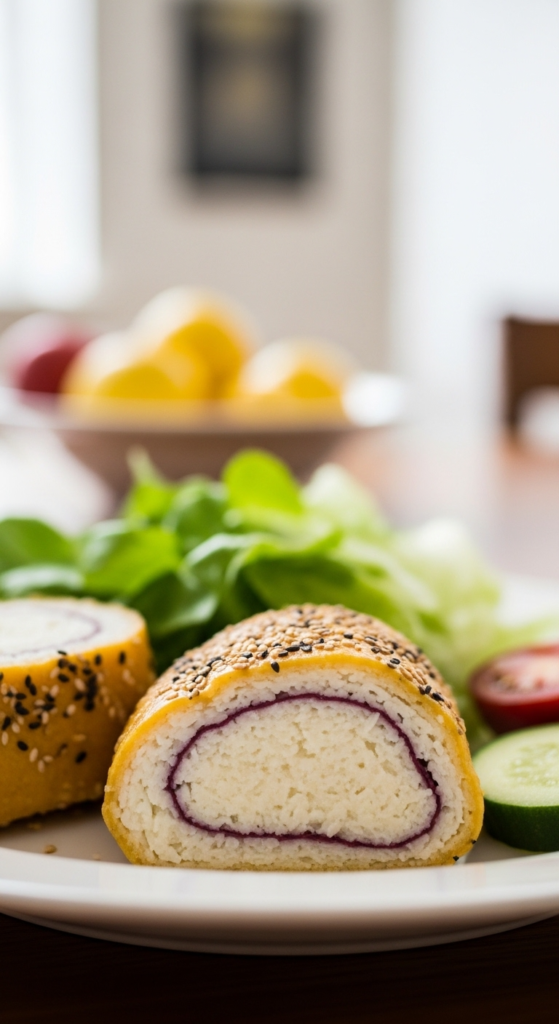
Big meals can feel overwhelming, especially if you’re nauseous or dealing with heartburn.
Instead, aim for:
- 3 small meals
- 2–3 snacks throughout the day
This helps stabilize your blood sugar and keeps you from feeling drained.
4. Hydration Is Just as Important as Food
You might not realize it, but dehydration can make pregnancy symptoms worse.
- Headaches
- Fatigue
- Constipation
Keep a water bottle with you and sip throughout the day. If plain water is boring, try adding lemon or fruit slices.
5. Cravings Aren’t the Enemy
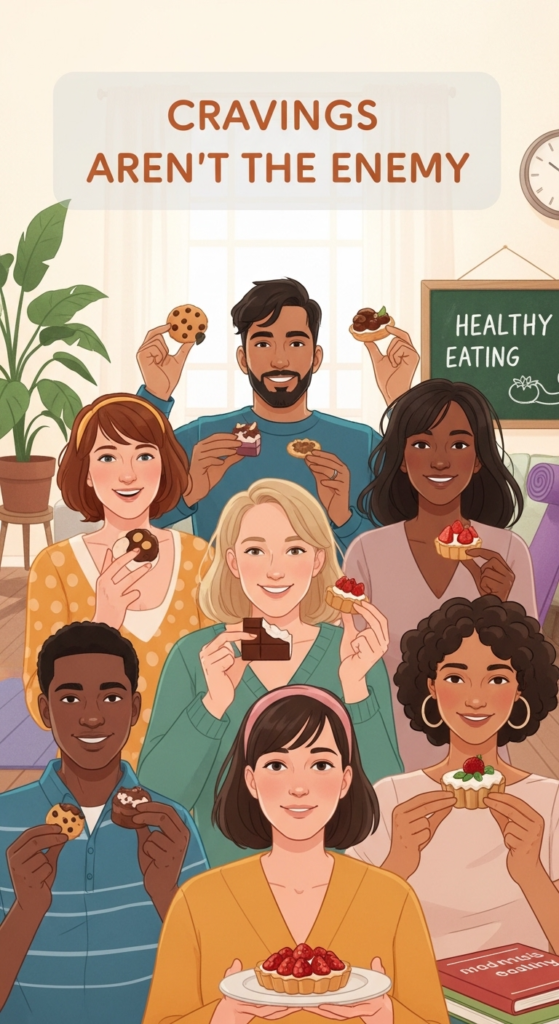
Yes, you can have that ice cream.
Cravings often mean your body is asking for something — comfort, energy, or even specific nutrients.
Instead of ignoring them:
- Pair cravings with something nutritious (like fruit with chocolate)
- Enjoy them in moderation
A healthy pregnancy diet includes flexibility.
6. Iron Is More Important Than You Think
Iron helps prevent anemia and supports your baby’s oxygen supply.
Good sources include:
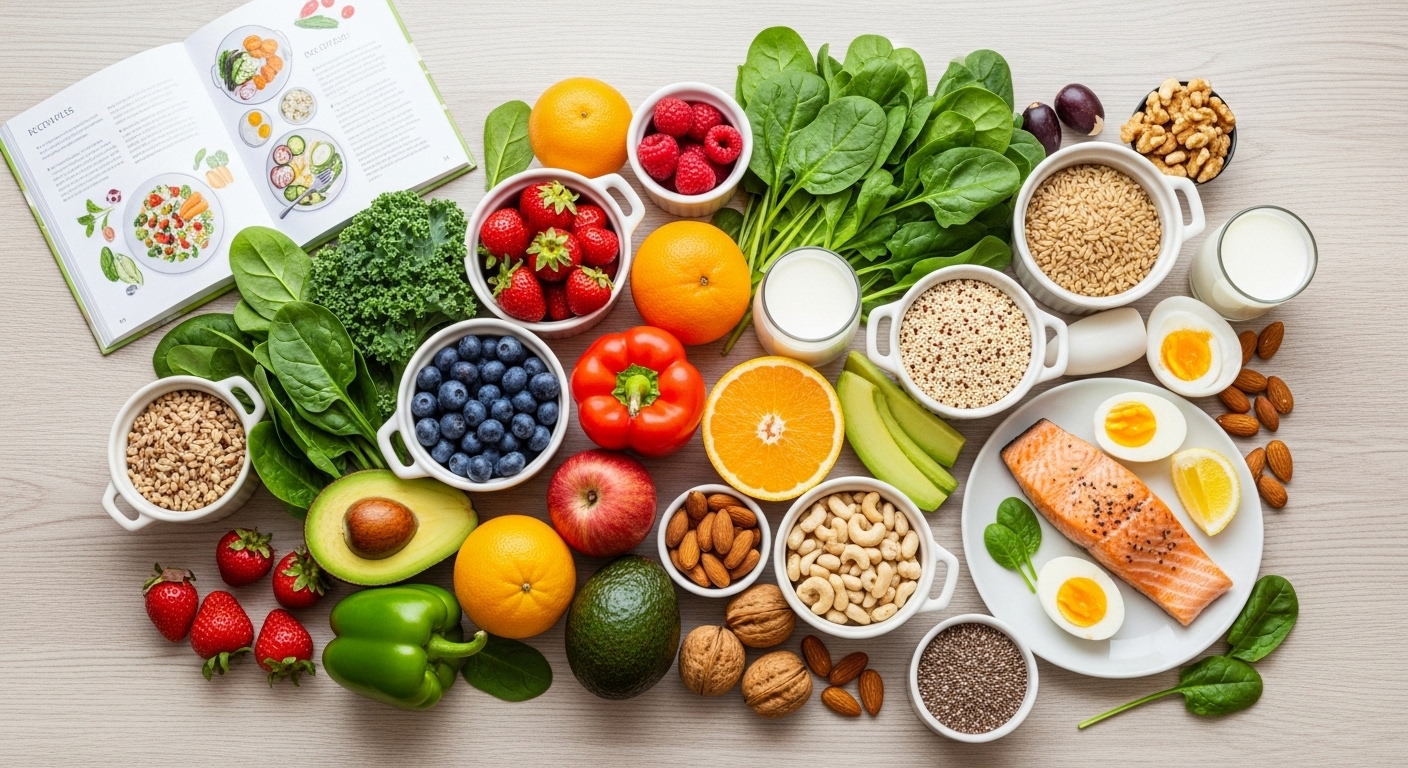
- Spinach
- Red meat
- Lentils
- Fortified cereals
Pair iron-rich foods with vitamin C (like oranges) to help your body absorb it better.
7. Calcium Supports Your Baby’s Bones
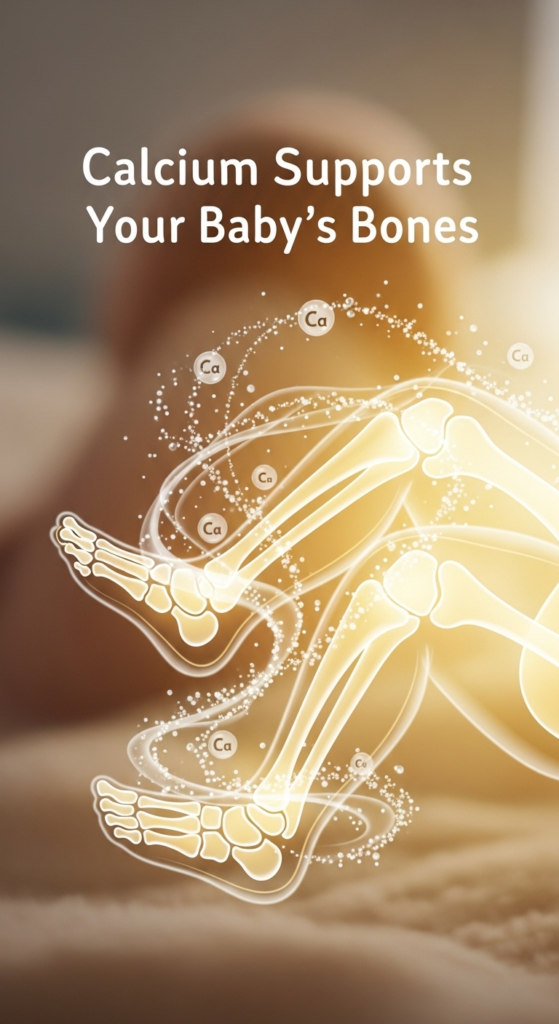
Your baby needs calcium to build strong bones and teeth.
If you’re not getting enough, your body will take it from your own stores.
Easy calcium sources:
- Milk or plant-based alternatives
- Cheese
- Yogurt
- Almonds
Try to include calcium daily — it’s a key part of a healthy pregnancy diet.
8. Don’t Skip Healthy Fats
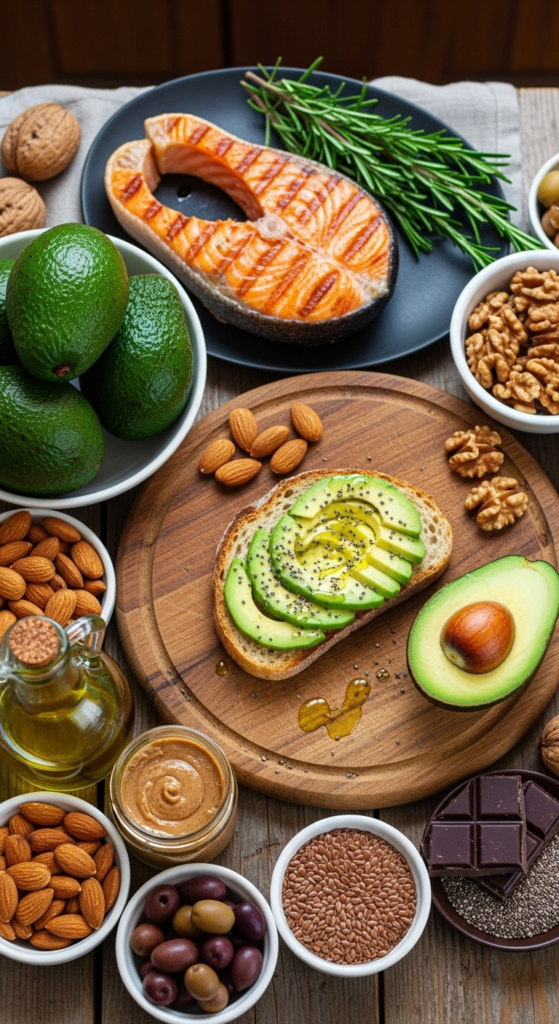
Healthy fats are essential for your baby’s brain development.
Include:
- Avocados
- Nuts and seeds
- Olive oil
- Fatty fish (like salmon, if approved by your doctor)
Fats also help you feel satisfied after meals, which can reduce constant snacking.
9. Some Foods Are Worth Avoiding — But Don’t Panic
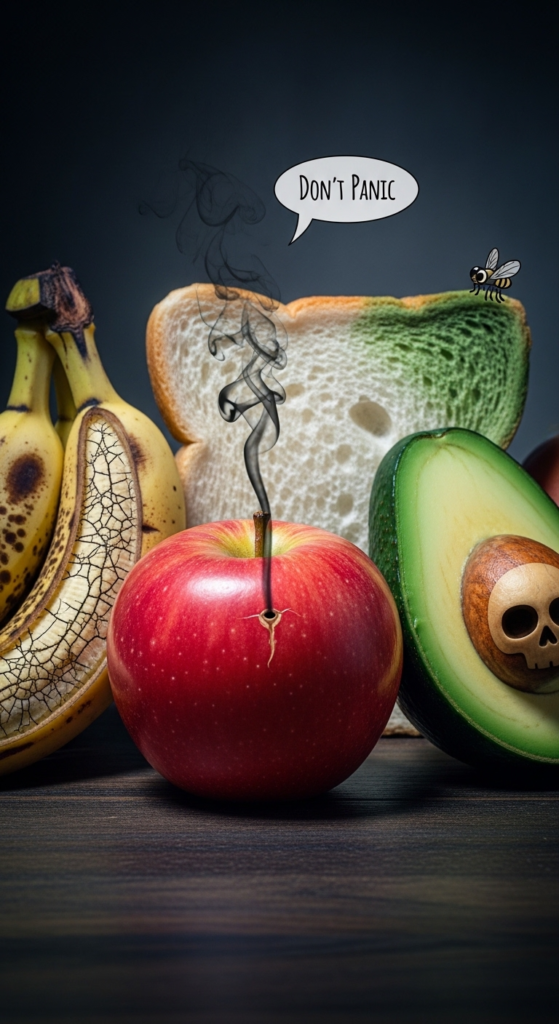
You’ve probably seen long lists of “don’t eat this” foods, and it can feel scary.
Focus on the basics:
- Avoid raw or undercooked meat
- Limit high-mercury fish
- Skip unpasteurized dairy
You don’t need to memorize everything — just stay mindful and make safe choices.
10. Prenatal Vitamins Fill the Gaps — Not Replace Food
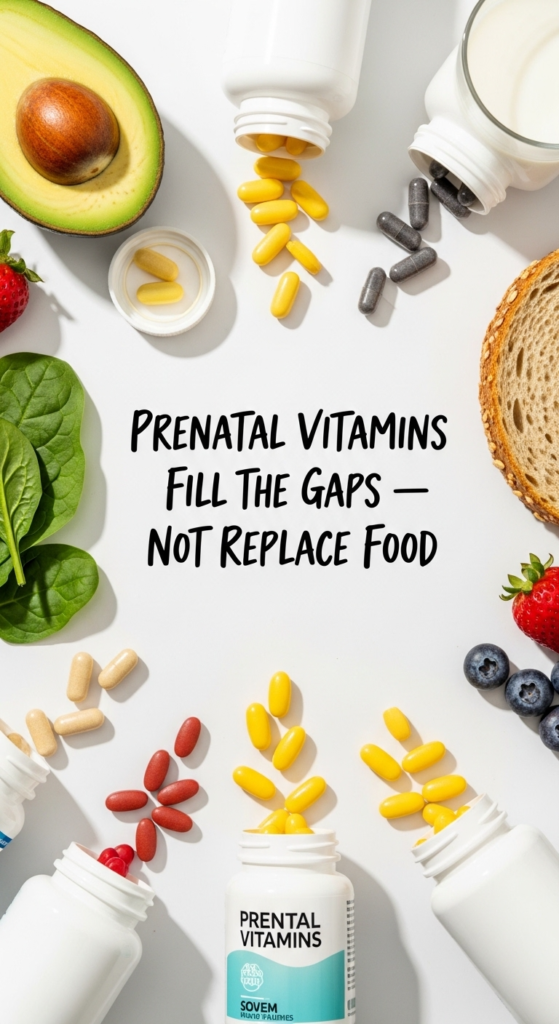
Prenatal vitamins are important, but they don’t replace a healthy pregnancy diet.
Think of them as backup support.
Real food gives you:
- Fiber
- Energy
- A wider range of nutrients
Take your vitamins, but don’t rely on them alone.