
How to Teach Kids to Read Without Tears — 15 Simple Things That Actually Work
If you are trying to figure out how to teach kids to read, you are definitely not alone. So many moms worry they are either starting too early, too late, or somehow doing it wrong. The truth is, reading does not happen overnight — and it is completely normal for it to take time.
Some kids pick up letters quickly, while others need lots of repetition and encouragement. That can feel frustrating when you are exhausted, busy, and wondering if you are doing enough. But the good news is this: you do not need to be a teacher or buy expensive programs to help your child learn to read.
A lot of learning happens through simple everyday moments, playful activities, and consistency. These gentle reading tips can help make learning feel exciting instead of stressful — for both you and your child.
Why Learning to Read Feels Hard for Some Kids
Before jumping into reading activities, it helps to understand why some children struggle.
Reading is actually a huge skill. Your child has to:
- Recognize letters
- Understand sounds
- Blend sounds into words
- Remember sight words
- Focus long enough to follow a story
That is a lot for a little brain.
Some children are naturally interested in books early on. Others need more movement, more repetition, or a slower pace. That does not mean they are behind. It just means they learn differently.
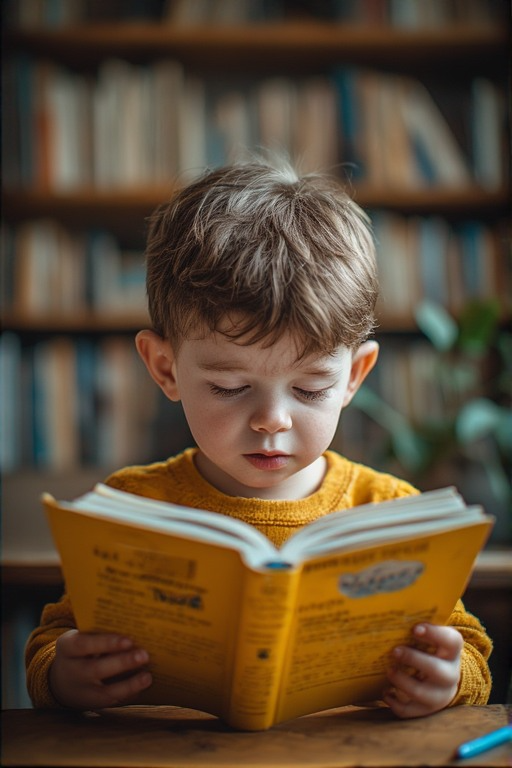
1. Read Out Loud Every Single Day
This is one of the most powerful ways to teach kids to read naturally.
Even if your child cannot read yet, hearing you read helps them understand:
- How stories work
- What words sound like
- How sentences flow
- That books are fun and comforting
Try reading before bedtime, during breakfast, or while cuddling on the couch. It does not have to be perfect or long. Just make it part of your daily routine.
Related keywords naturally used: early reading skills, reading readiness, reading routine
2. Focus on Letter Sounds Before Letter Names
A lot of moms start with the alphabet song, which is great — but kids also need to know the sounds letters make.
For example:

- “B” says “buh”
- “M” says “mmm”
- “S” says “ssss”
Why this works:
Children learn to read by blending sounds together. Understanding sounds first makes it easier to decode simple words later.
You can practice during everyday moments:
- Point to signs at the grocery store
- Say sounds while writing with crayons
- Play sound guessing games in the car
3. Make Reading Feel Like Play
Kids learn best when they are having fun.
Instead of sitting down for long lessons, try:
- Alphabet puzzles
- Magnetic letters on the fridge
- Letter scavenger hunts
- Sensory bins with foam letters
- Reading games with snacks or toys
Why this works:
Play reduces pressure and keeps kids engaged longer. When learning feels enjoyable, children are more willing to keep trying.
4. Teach Simple Sight Words Early
Sight words are common words kids memorize because they appear often in books.
Examples include:
- the
- and
- is
- you
- we
Write one or two sight words on sticky notes and place them around the house. Keep it simple and repeat them often.
Why this works:
Recognizing sight words quickly helps children build reading confidence faster.
5. Let Your Child See You Reading
Kids copy what they see.
If your child only sees screens all day, books can feel boring or unimportant. But when they see you reading recipes, magazines, novels, or even bedtime stories, they begin to understand that reading matters.
You do not need to pretend to love reading if you are tired. Just showing small moments of reading helps more than you think.
6. Stop Correcting Every Little Mistake
This one is hard for many moms.

When your child struggles through a word, it is tempting to jump in immediately. But constantly correcting can make kids anxious and afraid to try.
Instead:
- Give them time to sound it out
- Praise effort first
- Gently help when needed
Why this works:
Confidence matters just as much as skill when learning to read.
7. Use Repetition Without Feeling Guilty
Yes, reading the same book 47 times can feel mind-numbing.
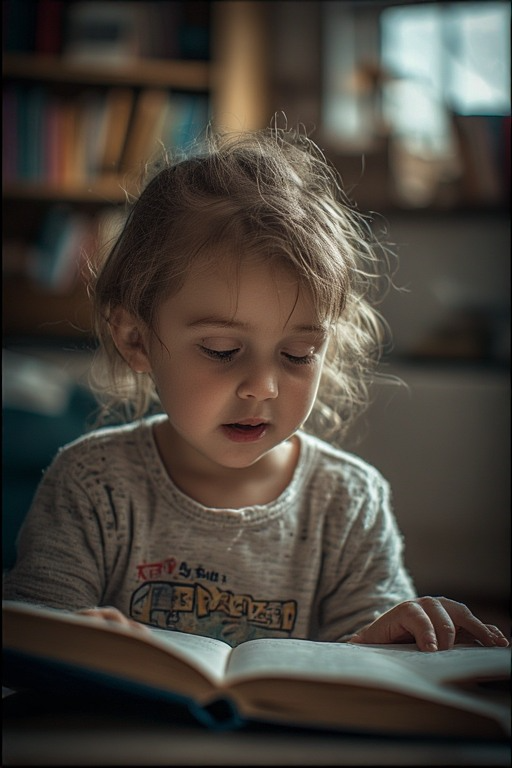
But repetition is actually incredibly helpful for early readers. Kids learn patterns, predict words, and build confidence through familiar stories.
If your toddler or preschooler wants the same book again, that is not a bad thing. Their brain is learning every single time.
8. Start With Easy Decodable Books

When teaching kids to read, simple books work best at first.
Look for books with:
- Short sentences
- Repeating words
- Simple sound patterns
- Large print
- Clear pictures
Avoid overwhelming your child with books that are too advanced too early.
Why this works:
Small successes help children feel capable and motivated to keep learning.
9. Sing Songs and Nursery Rhymes
This tip surprises many parents, but rhyming skills are strongly connected to reading development.

Songs and rhymes help kids hear:
- Word patterns
- Beginning sounds
- Syllables
- Sound similarities
Try:
- “Twinkle Twinkle Little Star”
- “Itsy Bitsy Spider”
- Rhyming clap games
These little activities build important phonics foundations naturally.
10. Use Everyday Moments to Practice Reading
You do not need fancy homeschool schedules to teach reading.
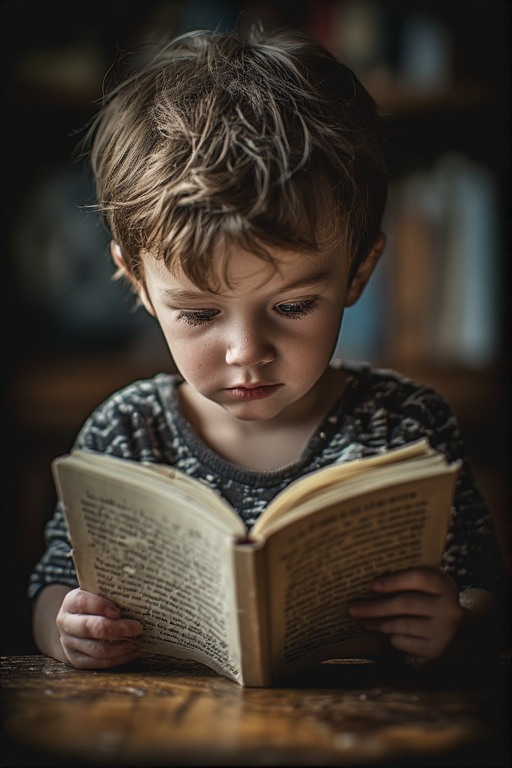
Reading practice can happen during:
- Grocery shopping
- Bath time
- Car rides
- Cooking dinner
- Walking outside
Point out:
- Labels
- Signs
- Menus
- Food boxes
- Street names
Why this works:
Kids learn best when they see reading connected to real life.