Learning Activities for Preschoolers That Actually Keep Them Engaged
If you are searching for learning activities for preschoolers that are fun and educational, you are definitely not alone. Most moms want activities that help their little ones learn without turning the house into a stressful classroom. And honestly? Preschoolers learn best when they think they are simply playing.
The hard part is that preschoolers have short attention spans and big emotions. One minute they are excited, and the next they are melting down because the banana broke in half. That is why simple, low-pressure activities usually work best.
The good news is that you do not need expensive toys or fancy Pinterest setups. Some of the best learning moments happen right in your kitchen, living room, or backyard. These learning activities for preschoolers are easy, realistic, and designed for real moms with real busy days.
1. Color Sorting With Household Items
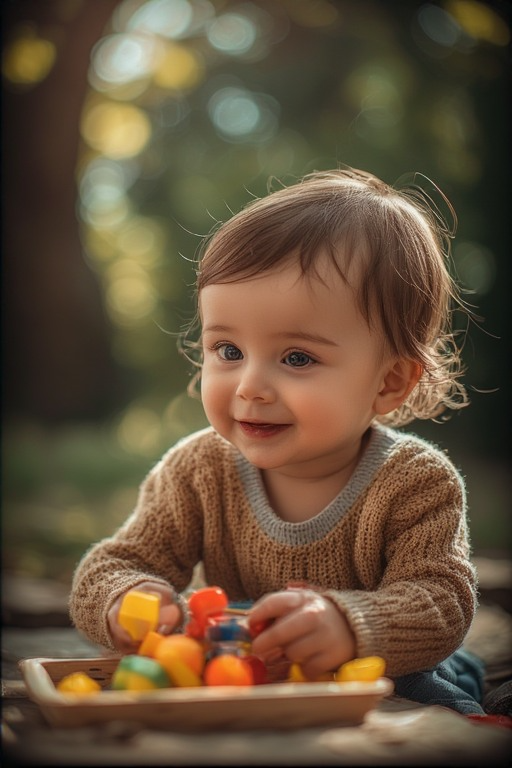
This activity is simple, but preschoolers absolutely love it.
Grab random items from around your house like:
- Pom-poms
- Socks
- Blocks
- Plastic cups
- Toy cars
Place colored bowls or paper sheets on the floor and let your child sort items by color.
Why this works:
Sorting helps preschoolers build early math and problem-solving skills. It also strengthens focus and teaches them how to recognize patterns naturally through play.
2. Alphabet Hunt Around the House
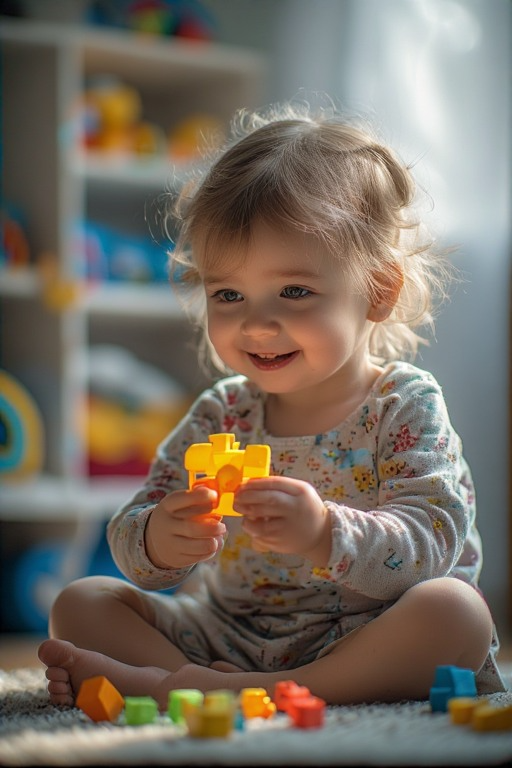
Turn letter learning into a game instead of flashcard time.
Choose one letter each day and ask your child to find objects that start with that letter. For example:
- “B” for ball
- “C” for cup
- “T” for toy
You can even write the letter on paper and carry it around together.
Why this works:
Preschoolers learn language faster when they connect letters to real-life objects. Movement also keeps them engaged longer than sitting still at a table.
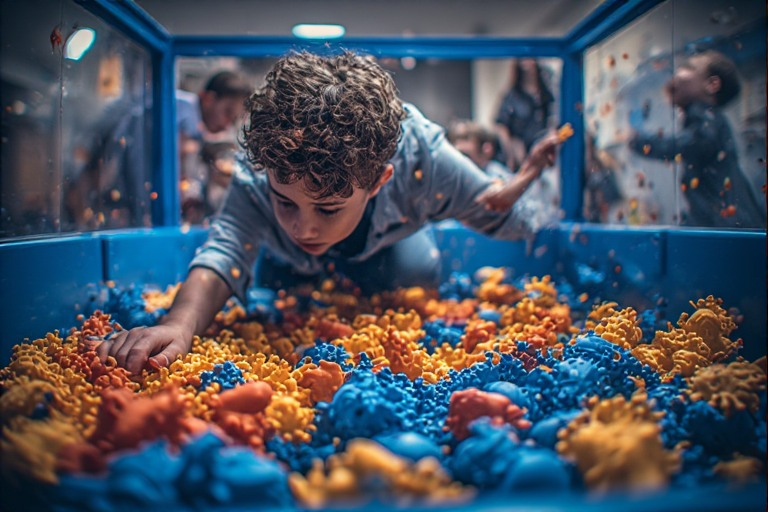
3. Sensory Bins With Rice or Pasta
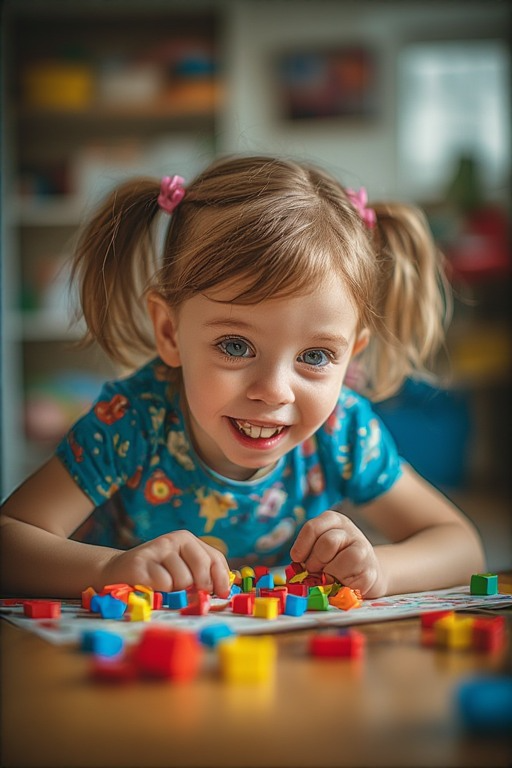
Sensory play is pure magic for preschool-aged kids.
Fill a container with:
- Dry rice
- Pasta
- Beans
- Kinetic sand
Add scoops, cups, toy animals, or letters for extra learning fun.
Why this works:
Sensory bins support fine motor development and calm anxious or energetic kids. They also encourage independent play, which every mom desperately needs sometimes.
4. Counting Snacks at Snack Time

You already serve snacks every day, so why not turn it into learning time too?
Ask your preschooler to:
- Count crackers
- Separate grapes into groups
- Make patterns with cereal
Keep it playful and relaxed.
Why this works:
Hands-on counting helps preschoolers understand numbers better than worksheets. Food also keeps their attention much longer because it feels exciting and rewarding.
5. Name Practice With Shaving Cream
This activity feels messy in the best possible way.
Spray a little shaving cream on a tray or table and let your child:
- Draw letters
- Practice their name
- Make shapes
If you want less mess, use whipped cream instead.
Why this works:
Writing in textures helps preschoolers remember letters through sensory learning. It also removes pressure because mistakes can be wiped away instantly.
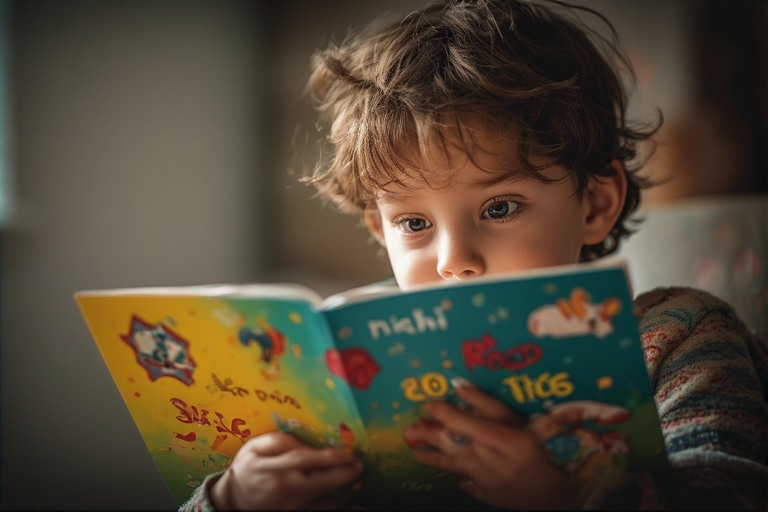
6. Story Basket Time
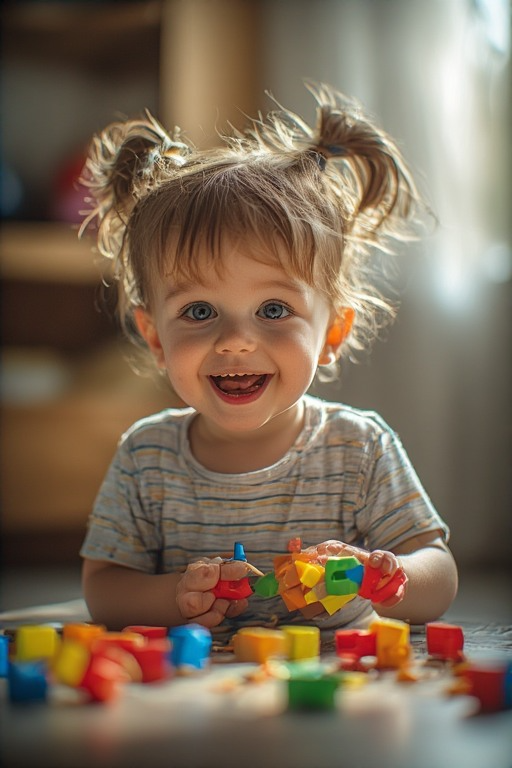
Choose a favorite book and create a small basket with matching objects or toys.
For example, if you read a farm book, include:
- Toy animals
- Mini tractors
- Fake grass
Read the story together while your child plays with the items.
Why this works:
This boosts language development, imagination, and listening skills all at once. Preschoolers understand stories better when they can physically interact with them.
7. Simple Science Experiments
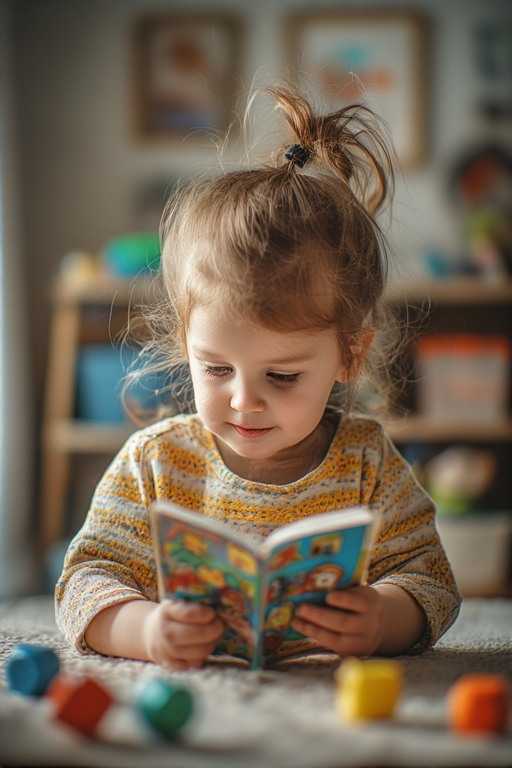
Preschoolers are naturally curious, which makes science activities so effective.
Try easy experiments like:
- Baking soda and vinegar volcanoes
- Floating vs. sinking objects
- Mixing colors with water
You do not need perfection here. The excitement is the learning.
Why this works:
Science activities teach observation, prediction, and problem-solving skills. They also encourage preschoolers to ask questions and explore the world confidently.
8. Freeze Dance With Learning Twists
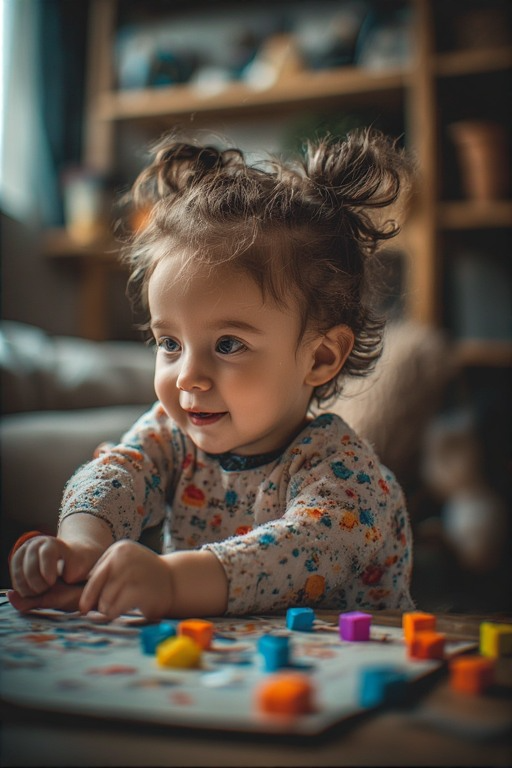
Put on music and let your child dance freely. When the music stops, call out:
- A number
- A color
- An animal
- A shape
Then ask them to find or act it out.
Why this works:
Movement helps preschoolers absorb information faster. This activity also burns energy, which can improve mood and attention afterward.
9. Matching Games With Everyday Objects
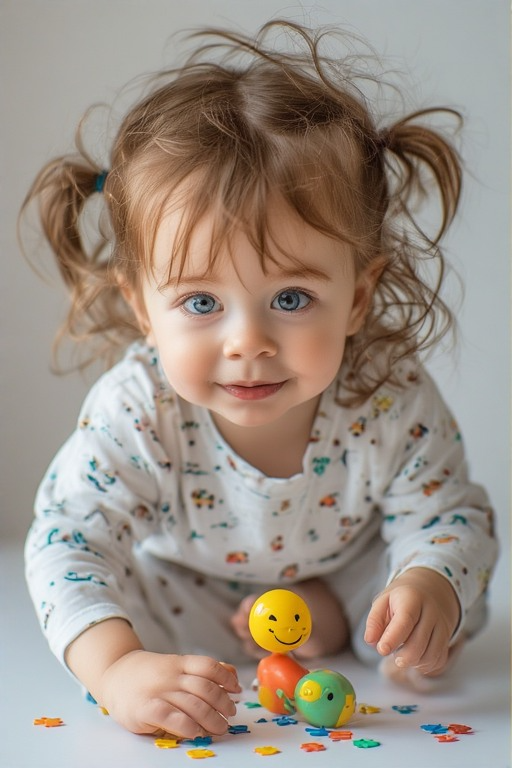
You do not need store-bought matching cards.
Use things like:
- Socks
- Lids and containers
- Plastic eggs
- Toy pairs
Ask your child to match items together.
Why this works:
Matching builds memory skills and visual discrimination. These are important early learning foundations for reading later on.
10. Painting With Unusual Objects
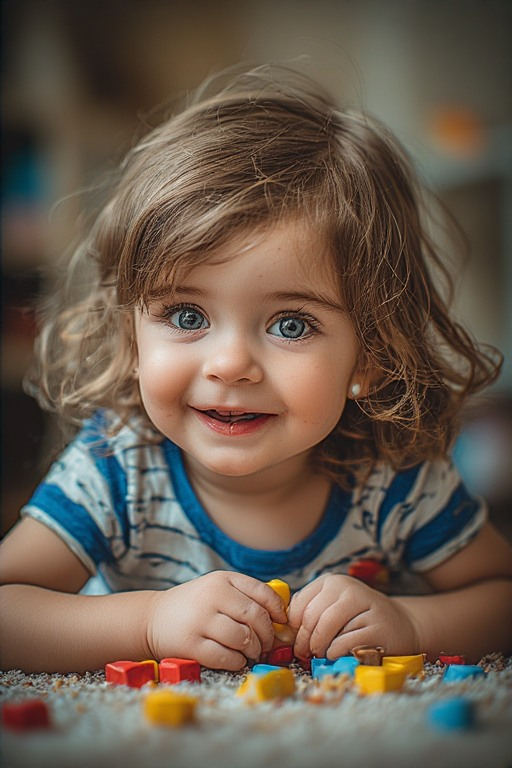
Skip the regular paintbrush sometimes.
Let your preschooler paint with:
- Sponges
- Toy cars
- Cotton balls
- Leaves
- Forks
It instantly feels new and exciting.
Why this works:
Creative play strengthens fine motor skills and imagination. Different textures also help preschoolers explore their senses and creativity.