
Nobody Tells You How to Manage Morning Sickness — 15 Real Tips That Actually Help
Pregnancy is exciting, emotional, and full of surprises. But if you’re dealing with constant nausea, you may be wondering why nobody warned you that morning sickness could last all day. The truth is, how to manage morning sickness is one of the biggest questions moms-to-be have during the first trimester.
If you’re struggling to keep food down, feeling exhausted, or simply wondering when it will get better, you’re not alone. Many moms experience morning sickness, and while every pregnancy is different, there are simple things you can do to feel more comfortable. Let’s talk about what really helps.
What Is Morning Sickness?
Morning sickness is nausea and sometimes vomiting that commonly happens during early pregnancy. Even though it’s called “morning” sickness, it can happen at any time of the day or night.
It usually begins around week 6 of pregnancy, becomes stronger between weeks 8 and 10, and often improves by weeks 14 to 16. For some moms, though, it may last longer.
Why Does Morning Sickness Happen?
Nobody knows the exact cause, but pregnancy hormones are believed to play the biggest role.
Your body is adjusting quickly to support your growing baby. Changes in hormone levels, a stronger sense of smell, and a more sensitive digestive system can all contribute to nausea.
What Is Happening to Your Baby?
During the first trimester, your baby is growing at an incredible pace.
Tiny organs begin forming, the heart starts beating, and the brain and spinal cord continue developing. Even though your baby is still very small, this is one of the most important stages of development.
What Is Happening to Your Body?
Your body is working overtime.
Hormones are increasing rapidly, your blood volume is beginning to rise, and your metabolism is changing to support your pregnancy. These changes are completely normal, but they can also make you feel tired, nauseous, and more sensitive to certain foods and smells.
15 Real Tips on How to Manage Morning Sickness
1. Never Let Your Stomach Get Completely Empty
An empty stomach often makes nausea worse.

Try eating a small snack every two to three hours. Crackers, pretzels, toast, or dry cereal can be lifesavers when you don’t feel like eating a full meal.
2. Eat Before You Even Get Out of Bed
Many moms notice that mornings are the hardest.

Keep plain crackers or dry cereal beside your bed. Eat a few bites before standing up, then wait about 15 minutes before getting out of bed.
3. Drink Small Amounts Throughout the Day
Staying hydrated is important, but drinking large amounts all at once may increase nausea.

Take small sips of water throughout the day. Ice chips, flavored water, or electrolyte drinks may also be easier to tolerate.
4. Discover Your Trigger Foods
Every pregnancy is different.

Some moms can’t handle spicy foods, while others struggle with greasy meals or strong smells. Pay attention to what makes your nausea worse and avoid those foods whenever possible.
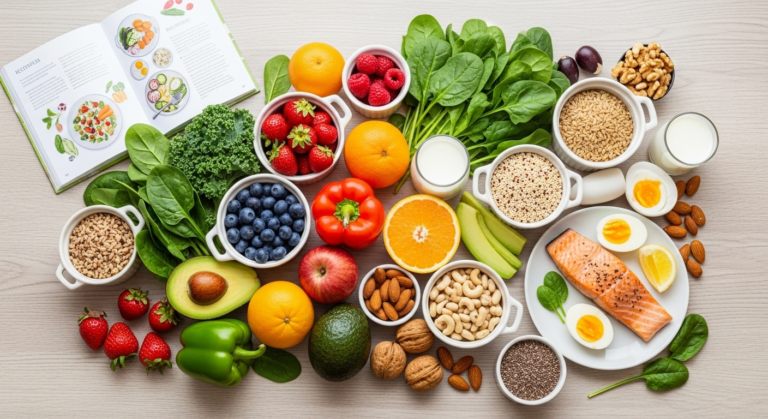
5. Eat More Protein
Protein helps stabilize blood sugar and may reduce nausea.

Try foods like Greek yogurt, eggs, cheese, peanut butter, nuts, or lean chicken if they sound appealing.
6. Try Ginger
Ginger has been used for years to help with nausea.

You can try ginger tea, ginger candies, ginger chews, or fresh ginger added to warm water. Many moms find it surprisingly helpful.
7. Keep Healthy Snacks Everywhere
Morning sickness doesn’t care where you are.

Keep snacks in your purse, car, bedside table, and desk at work. Having something ready can stop nausea from becoming overwhelming.
8. Avoid Strong Smells
Pregnancy often makes your sense of smell much stronger.

Cooking odors, perfumes, cleaning products, or even your favorite foods might suddenly make you feel sick. Open windows, use fans, or ask someone else to cook when possible.
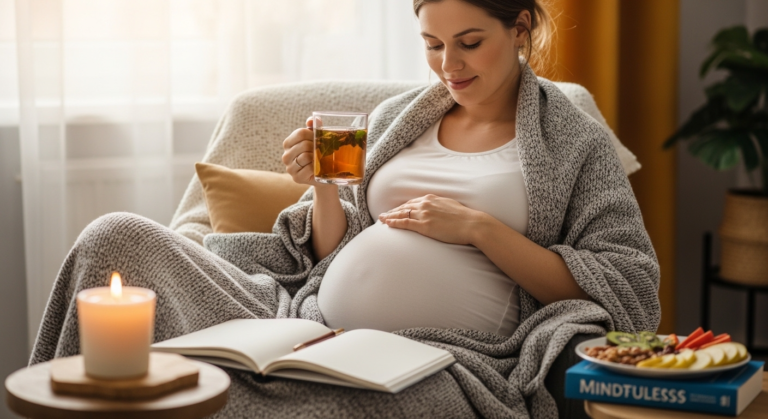
9. Get Plenty of Rest

Growing a baby is exhausting.
Fatigue often makes nausea worse, so don’t feel guilty about taking naps or going to bed earlier. Your body is doing important work.
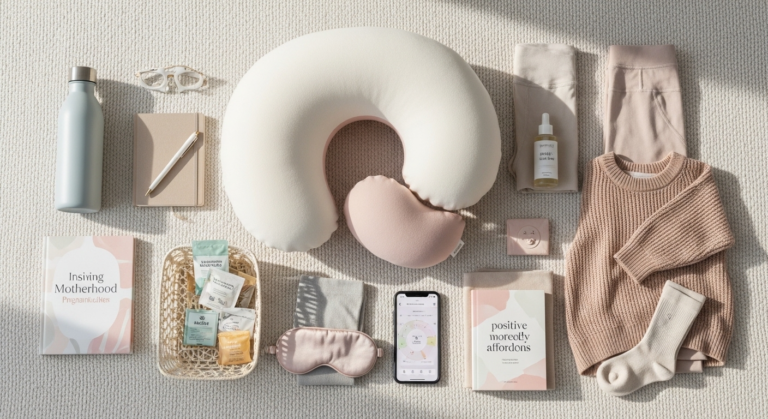
10. Wear Comfortable Clothing
Tight waistbands can make nausea feel even worse.

Choose loose, comfortable maternity clothes that don’t put pressure on your stomach.