Playroom Organization Ideas That Actually Keep Toys Under Control
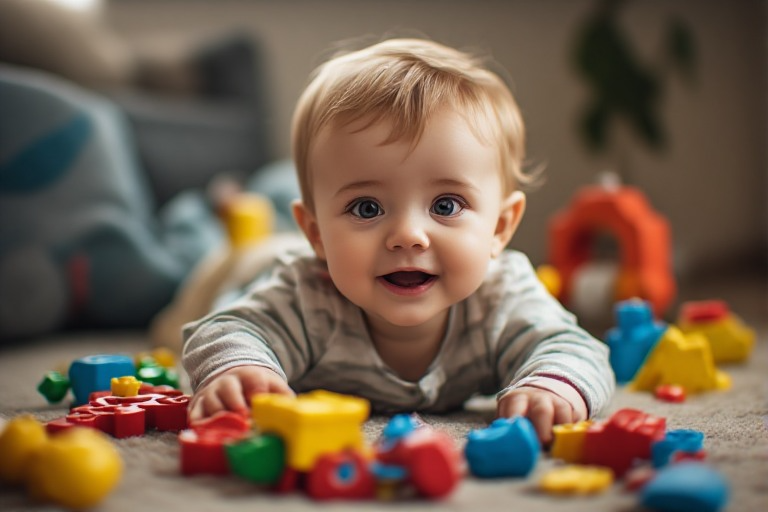
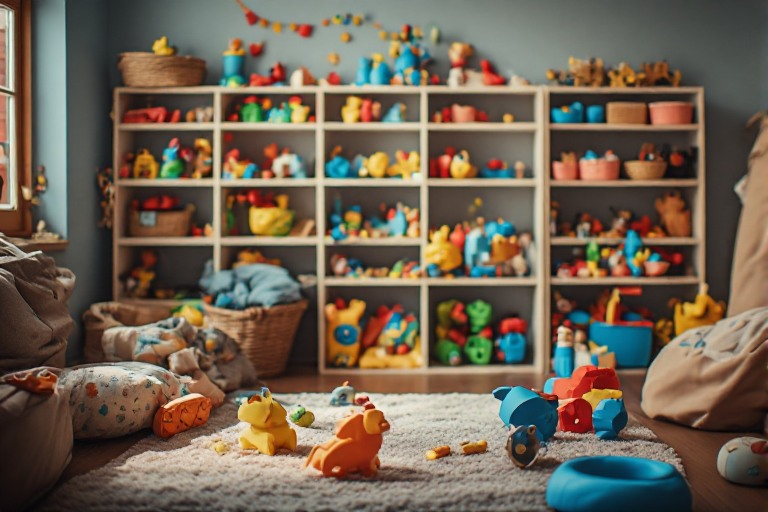
If your living room feels like it’s slowly turning into a toy store, you’re definitely not alone. Finding practical playroom organization ideas can feel impossible when toys seem to multiply overnight. One minute everything is neatly put away, and the next minute blocks, dolls, and puzzle pieces are covering every inch of the floor.
The truth is, kids love to play, explore, and create a little chaos along the way. That doesn’t mean your home has to stay messy all the time. With a few simple changes, you can create a playroom that is easy for both you and your child to keep organized.
The best part? These ideas don’t require a huge budget or a complete room makeover. Small changes often make the biggest difference, especially when they’re designed with real family life in mind.
Why Playroom Organization Matters
A well-organized playroom isn’t just about making your house look tidy. It helps children know where their toys belong, encourages independent cleanup, and makes playtime much more enjoyable.
When everything has a designated place, your child spends less time searching for toys and more time actually playing. That means fewer frustrations for everyone.
1. Sort Toys Into Categories First
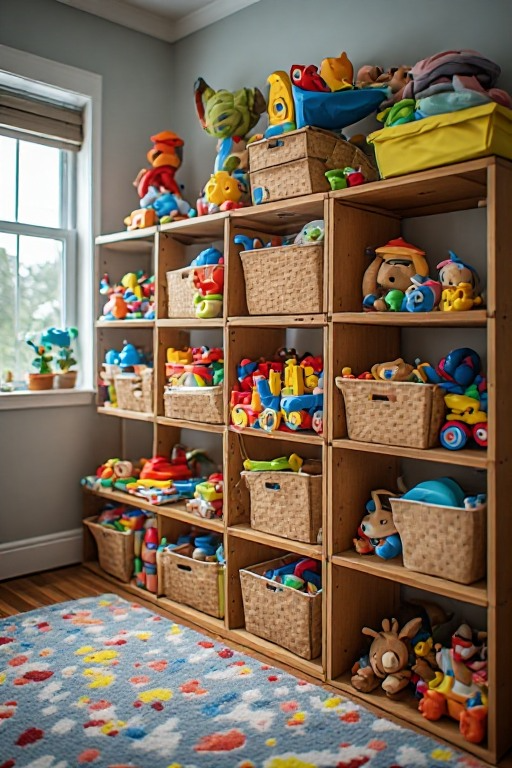
Before buying storage bins or shelves, start by sorting every toy into categories.
Try grouping toys like this:
- Building blocks
- Dolls and stuffed animals
- Cars and trucks
- Arts and crafts
- Books
- Puzzles
- Pretend play toys
- Outdoor toys
This simple step helps you see exactly what you own. You may even discover duplicates or toys your child has completely outgrown.
2. Use Clear Storage Bins
Clear storage bins are one of the easiest playroom organization ideas because everyone can see what’s inside without opening every container.
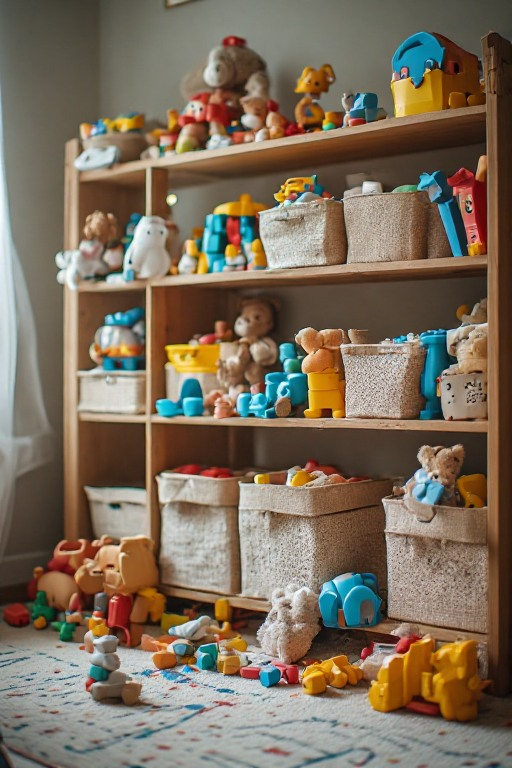
Choose bins with lids if you want to stack them neatly. For younger children, lightweight open-top bins are easier for little hands to use.
Seeing the toys inside also encourages kids to put things back in the correct place.
3. Label Every Bin
Labels are a game changer.
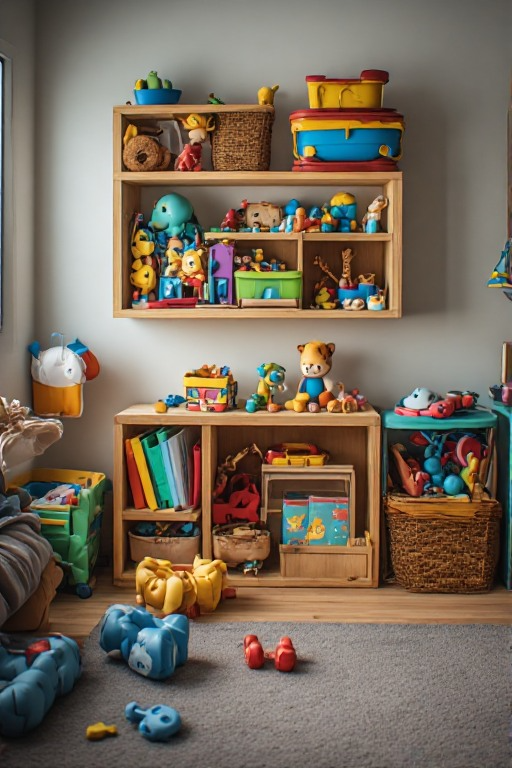
If your child can’t read yet, add both words and simple pictures. For example:
- 🧩 Puzzles
- 🚗 Cars
- 🧸 Stuffed Animals
- 🎨 Art Supplies
Picture labels help toddlers and preschoolers clean up independently, which builds confidence and responsibility over time.
4. Choose Kid-Friendly Shelving
Tall shelves often become storage space for parents instead of kids.
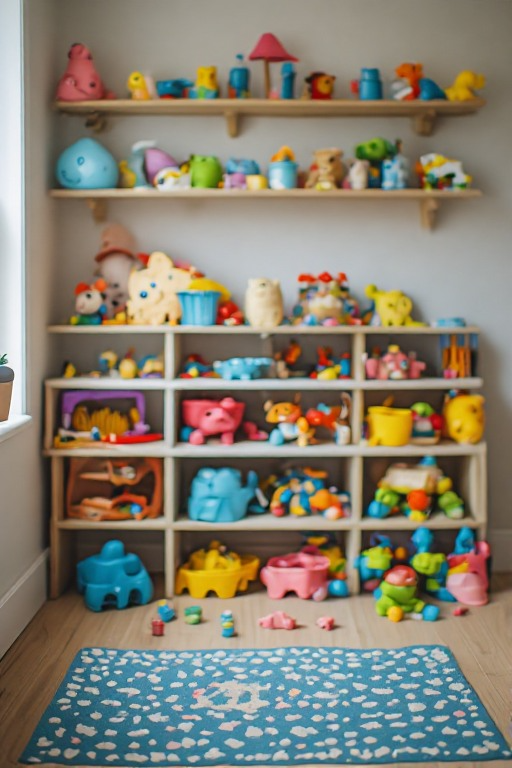
Instead, choose low, open shelves that allow children to reach their favorite toys safely. Keeping everything at their height encourages independent play and makes cleanup feel much less overwhelming.
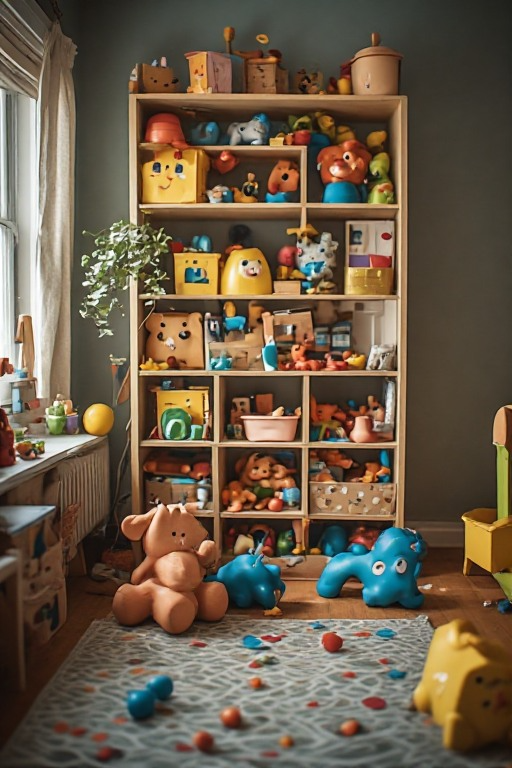
Open shelving also lets you display toys neatly instead of piling everything into one giant toy box.
5. Rotate Toys Every Few Weeks
Here’s something nobody tells you—your child doesn’t need access to every toy every single day.
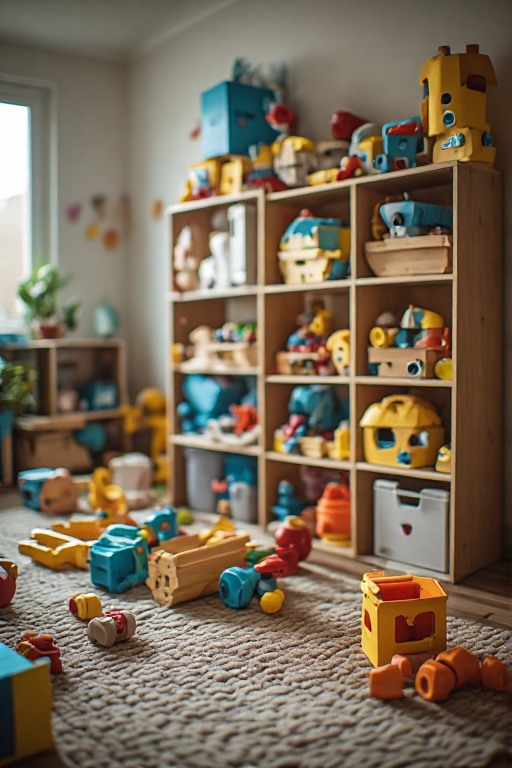
Store half of the toys in a closet or storage container and switch them out every few weeks. Toy rotation has several benefits:
- Reduces clutter
- Keeps kids interested in “new” toys
- Makes cleanup much faster
- Prevents overstimulation
Many moms are surprised by how excited their kids become when an old favorite returns after a few weeks away.
6. Create Activity Zones
Instead of letting every toy spread across the room, divide the playroom into simple zones.
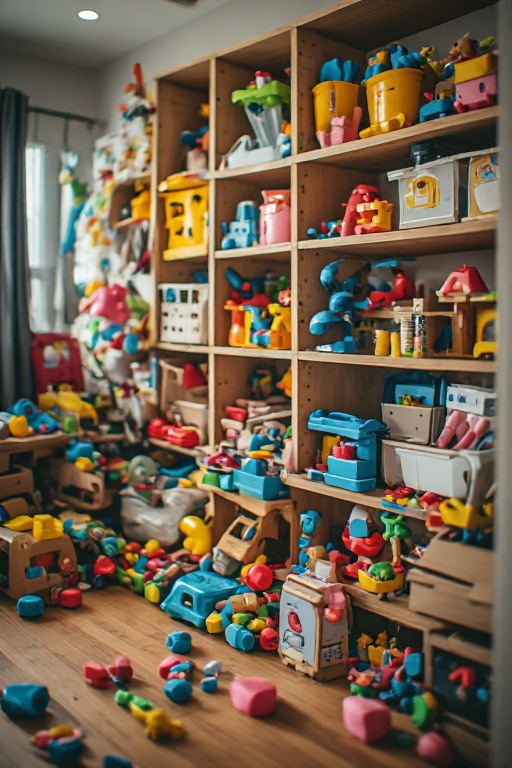
You might have:
- A reading corner
- An art station
- A building area
- A pretend kitchen
- A puzzle table
Activity zones help children stay focused because they know where each type of play belongs.
They also make cleanup easier since toys naturally return to the same area.
7. Keep Books Front-Facing
Children are much more likely to read books when they can actually see the covers.
Instead of stacking books on a shelf, use front-facing book racks. Seeing colorful covers encourages independent reading and helps books stay organized.
This simple change can make story time even more inviting.
8. Make Cleanup Part of Playtime
Cleaning up doesn’t have to feel like punishment.
Try playing a cleanup song, setting a five-minute timer, or turning it into a game.
For example:
- “Can we pick up all the blocks before the timer rings?”
- “Let’s see who can find five stuffed animals first.”
Kids respond much better when cleanup feels fun instead of forced.