
Postpartum Workout Ideas That Help You Feel Strong Again Without Overdoing It
Becoming a mom changes your body in ways that nobody can fully prepare you for. Whether you gave birth a few weeks ago or several months ago, it’s completely normal to feel different. Your body has done something incredible, but healing takes time, patience, and plenty of grace.
If you’ve been searching for postpartum workout ideas, you might also be wondering where to start without pushing yourself too hard. The good news is that you don’t need intense workouts or long gym sessions to begin feeling stronger. Small, gentle movements can make a big difference in your recovery, your energy levels, and even your mood.
Remember that every postpartum journey is unique. Always check with your healthcare provider before starting any exercise program, especially if you’ve had a C-section, birth complications, or are experiencing pain.
Why Gentle Movement Matters After Baby
Your body has spent months growing and delivering your baby. Your muscles, joints, pelvic floor, and core all need time to recover.
The right kind of movement can help you:
- Improve your energy levels
- Reduce stiffness and back pain
- Support better posture
- Strengthen your core muscles
- Boost your mood naturally
- Improve circulation
- Build confidence little by little
The goal isn’t to “bounce back.” It’s to help your body heal while becoming stronger in a healthy, realistic way.
++++
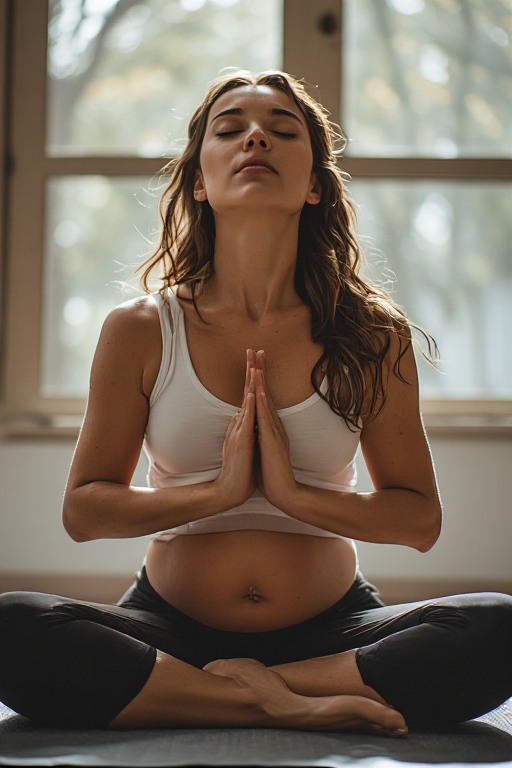
It may not seem like exercise, but breathing exercises are one of the best ways to reconnect with your core after birth.
Practice taking slow, deep breaths while gently engaging your abdominal muscles. This helps wake up your deep core muscles, supports healing, and can reduce stress during those overwhelming newborn days.
2. Gentle Walking
Walking is one of the safest and easiest postpartum workout ideas for most new moms.

Start with just 10 to 15 minutes around your neighborhood or even inside your home. As your strength improves, slowly increase your distance and pace without feeling pressured.
Why it works
Walking improves circulation, boosts your mood, supports heart health, and gives you a chance to enjoy fresh air with your baby.
3. Pelvic Floor Exercises
Your pelvic floor muscles work incredibly hard during pregnancy and childbirth.

Gentle pelvic floor exercises, often called Kegels, help strengthen these muscles and may improve bladder control, support your recovery, and reduce discomfort over time.
Why it works
Strong pelvic floor muscles support your bladder, uterus, and core while helping you feel more stable during everyday activities.
4. Pelvic Tilts
Pelvic tilts are gentle movements that strengthen your lower back and abdominal muscles without putting too much pressure on your healing body.

Lie on your back with your knees bent, gently tilt your pelvis upward, then slowly return to the starting position.
Why it works
This exercise encourages core activation while relieving lower back tension that many moms experience after carrying and feeding a baby.
5. Seated Leg Lifts
If you’re looking for a simple movement while your baby naps, seated leg lifts are a great option.

Sit upright in a sturdy chair and slowly lift one leg at a time while keeping your core gently engaged.
Why it works
This exercise improves circulation, strengthens your legs, and helps rebuild stability without requiring complicated movements.
6. Cat-Cow Stretch
New moms spend countless hours feeding, rocking, and carrying their babies. All of that can leave your back feeling tight.

The Cat-Cow stretch gently improves flexibility while relieving tension in your spine.
Why it works
This movement increases mobility in your back, shoulders, and hips while encouraging better posture.
7. Glute Bridges
Glute bridges strengthen your hips, glutes, and core at the same time.

Lie on your back with your knees bent and slowly lift your hips toward the ceiling before lowering them with control.
Why it works
Strong glutes help reduce lower back pain and improve overall body stability during daily mom activities.
8. Wall Push-Ups
Traditional push-ups may feel too difficult at first, but wall push-ups are a gentle alternative.
Stand facing a wall, place your hands against it, and slowly lower your body before pushing back.
Why it works
This exercise strengthens your chest, shoulders, and arms, making everyday tasks like lifting your baby a little easier.
9. Bodyweight Squats
Once your healthcare provider says it’s okay, bodyweight squats can help rebuild lower-body strength.

Move slowly and only squat as far as feels comfortable.
Why it works
Squats strengthen your legs, hips, and glutes while improving balance and making everyday movements easier.
10. Babywearing Walks

If your baby enjoys being carried, babywearing walks can turn bonding time into light exercise.
Always use a properly fitted baby carrier and follow safety guidelines.