Science Experiments for Kids at Home That Actually Keep Them Busy
If you have ever searched for science experiments for kids at home while your child was bouncing off the couch cushions, you are definitely not alone. Kids are naturally curious, but keeping them entertained without handing over a screen all day can feel exhausting sometimes.
The good news is that you do not need fancy supplies or a Pinterest-perfect setup to make science fun. Most of these simple activities use things you already have at home, and they secretly help your child learn problem-solving, creativity, and critical thinking too.
These science experiments for kids at home are easy, low-stress, and genuinely exciting for little kids and elementary-aged children. Some are messy. Some are surprisingly calming. And a few may even buy you enough quiet time to drink your coffee while it is still warm.
1. Baking Soda and Vinegar Volcano
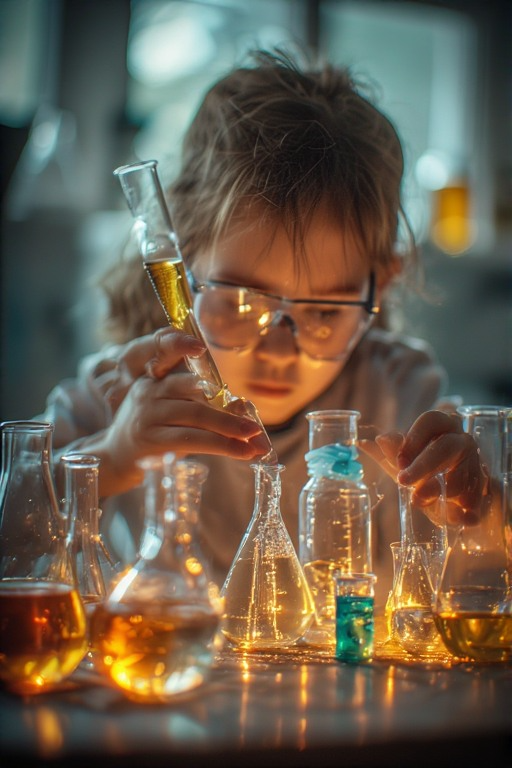
This classic experiment never gets old for kids.
What You Need:
- Baking soda
- Vinegar
- Dish soap
- Food coloring
- A cup or small bottle
How to Do It:
Put baking soda into the container. Add a few drops of dish soap and food coloring, then pour in vinegar.
The bubbly eruption happens because the baking soda and vinegar create a chemical reaction that releases carbon dioxide gas. Kids love this one because it feels dramatic and exciting every single time.
2. Rainbow Walking Water Experiment
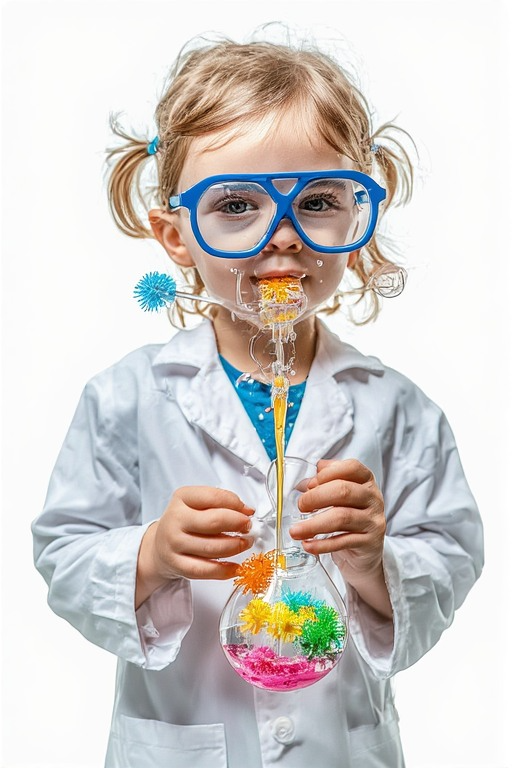
This colorful activity feels like magic to younger kids.
What You Need:
- Clear cups
- Paper towels
- Water
- Food coloring
How to Do It:
Fill cups with different colored water and connect them using folded paper towels.
The water slowly “walks” between cups through capillary action. This experiment works so well because kids can actually watch the colors move and mix over time.
3. Frozen Dinosaur Egg Rescue
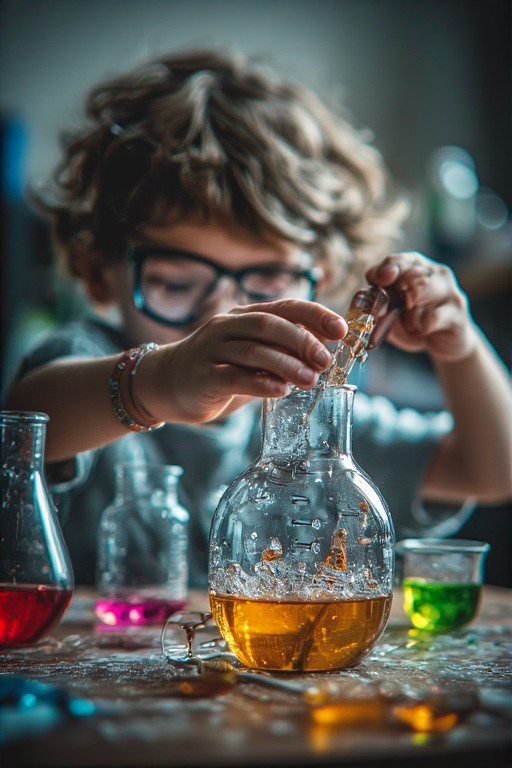
This one is perfect for toddlers and preschoolers.
What You Need:
- Small plastic dinosaurs
- Water
- Ice cube trays or bowls
- Warm water and spoons
How to Do It:
Freeze the dinosaurs inside ice overnight. The next day, let your child rescue them using warm water and tools.
This activity teaches kids about melting and temperature changes while also giving them a sensory play experience. It can easily keep little ones busy for 30 minutes or more.
4. Magic Milk Color Explosion
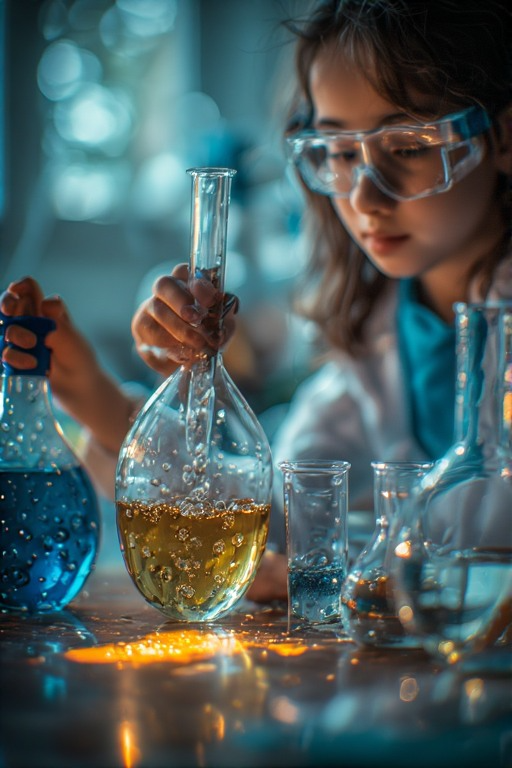
This experiment is simple but surprisingly fascinating.
What You Need:
- Milk
- Food coloring
- Dish soap
- Cotton swabs
How to Do It:
Add drops of food coloring into milk. Dip a cotton swab in dish soap and touch the milk surface.
The colors swirl because the soap breaks apart the fat molecules in the milk. Kids love watching the “fireworks” effect happen instantly.
5. Homemade Lava Lamp
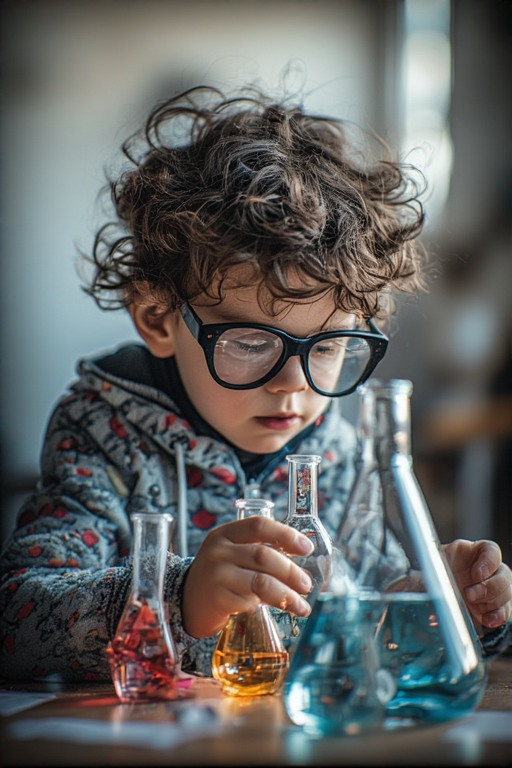
You do not need a real lava lamp to create this fun effect.
What You Need:
- Clear bottle
- Water
- Vegetable oil
- Food coloring
- Alka-Seltzer tablets
How to Do It:
Fill the bottle mostly with oil and partially with water. Add food coloring and drop in pieces of Alka-Seltzer.
The bubbling reaction creates moving blobs that look just like a lava lamp. This experiment works because oil and water do not mix, which is a fun science lesson by itself.
6. Balloon Inflation Experiment
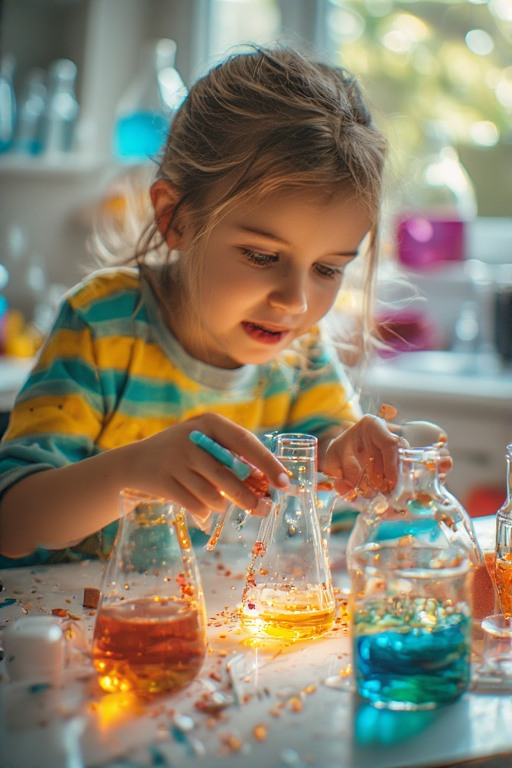
Kids are always amazed when a balloon inflates “by itself.”
What You Need:
- Balloon
- Small bottle
- Vinegar
- Baking soda
How to Do It:
Put vinegar in the bottle and baking soda inside the balloon. Attach the balloon to the bottle, then dump the baking soda in.
The chemical reaction creates gas that fills the balloon. This is one of the best science experiments for kids at home because it is easy and feels almost magical.
7. Sink or Float Challenge
This simple activity teaches prediction skills.
What You Need:
- A large bowl of water
- Random household items
How to Do It:
Ask your child to guess whether each item will sink or float before testing it.
This works well because kids learn basic physics concepts through hands-on play. It also encourages critical thinking and observation skills.
8. Grow Crystal Snowflakes
This experiment feels extra special during winter months.
What You Need:
- Pipe cleaners
- Borax
- Hot water
- Jars
How to Do It:
Shape pipe cleaners into snowflakes and place them in jars with the Borax solution overnight.
By morning, crystals will have formed on the pipe cleaners. Kids love seeing how tiny particles can build beautiful shapes over time.
9. Dancing Raisins Experiment
Yes, raisins can actually dance.
What You Need:
- Clear glass
- Sparkling water
- Raisins
How to Do It:
Drop raisins into sparkling water and watch them move up and down.
The bubbles attach to the raisins and lift them upward. Once the bubbles pop, the raisins sink again. It is a simple way to show how gas can affect movement.
10. DIY Rainbow in a Jar
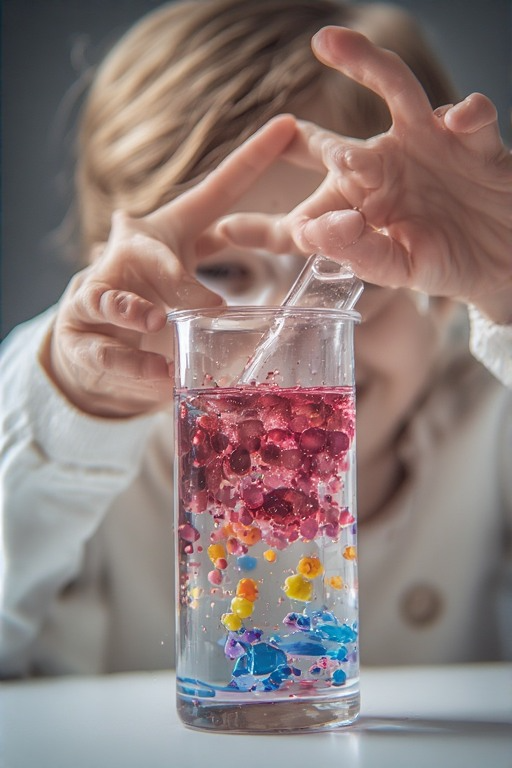
This colorful experiment is both pretty and educational.
What You Need:
- Honey
- Dish soap
- Water
- Oil
- Food coloring
How to Do It:
Slowly layer different liquids into a jar.
The layers stay separated because each liquid has a different density. Kids usually think this one looks like actual magic.