Toddler Learning Activities That Actually Keep Little Kids Engaged
If you are searching for toddler learning activities that do not involve hours of prep, expensive toys, or Pinterest-perfect setups, you are not alone. Most moms just want simple ideas that keep their toddlers busy while helping them learn something at the same time.
The truth is, toddlers learn best through play. They do not need fancy worksheets or strict lessons. They learn through touching, moving, exploring, and repeating things over and over again. And honestly? Some days just getting through the afternoon without a meltdown feels like a huge win.
These toddler learning activities are realistic for busy moms and designed for little attention spans. Many use things you already have at home, and they help build important skills like language, fine motor control, counting, creativity, and problem-solving.
Why Toddler Learning Activities Matter
At this age, your toddler’s brain is growing incredibly fast. Simple activities help strengthen important developmental skills without making learning feel stressful or forced.
Toddler learning activities can help with:
- Speech and language development
- Fine motor skills
- Hand-eye coordination
- Problem-solving
- Emotional regulation
- Early math and reading skills
- Confidence and independence
The best part? Your toddler thinks they are just playing.
1. Color Sorting With Household Items
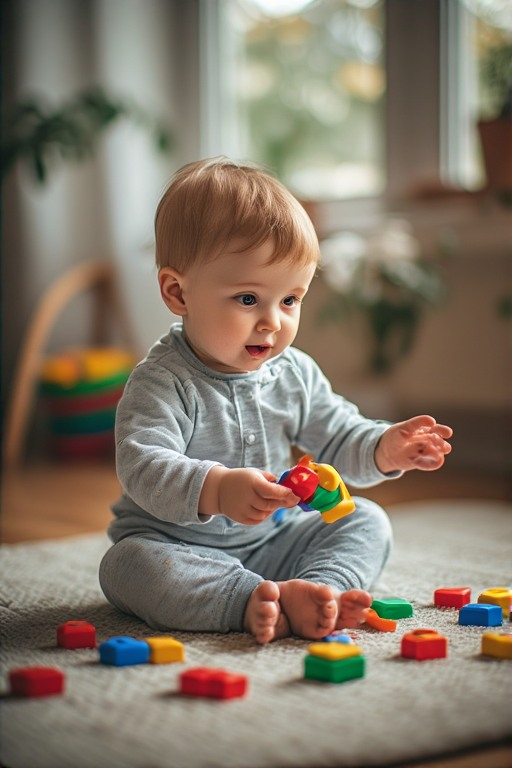
This activity is simple, but toddlers absolutely love it.
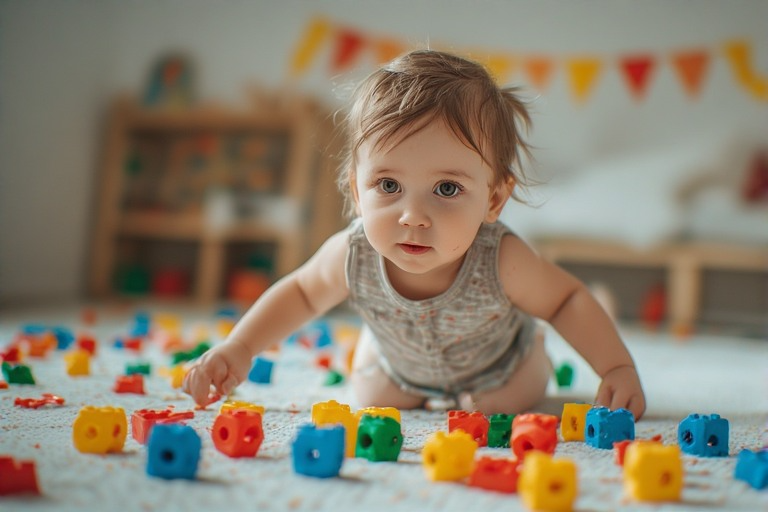
Grab colored cups, bowls, or pieces of paper and let your child sort objects by color. You can use pom-poms, blocks, socks, crayons, or even snacks like cereal pieces.
Why it works:
Sorting helps toddlers recognize patterns and categories. It also strengthens focus and early math skills without them even realizing it.
2. Sticky Note Letter Hunt

Write letters on sticky notes and place them around the room. Then call out a letter and let your toddler find it.
If your child is younger, you can use shapes, colors, or numbers instead.
Why it works:
This activity gets toddlers moving, which helps them stay engaged longer. It also introduces early letter recognition in a fun and pressure-free way.
3. Sensory Bin Exploration

Sensory bins are one of the best toddler learning activities because they work on so many skills at once.
Fill a container with rice, dry pasta, oats, or kinetic sand. Add scoops, cups, toy animals, or alphabet letters for extra learning fun.
Why it works:
Sensory play helps toddlers calm their nervous systems while encouraging creativity and fine motor development. It is also great for independent play when you need a few quiet minutes.
4. Counting Snacks During Snack Time
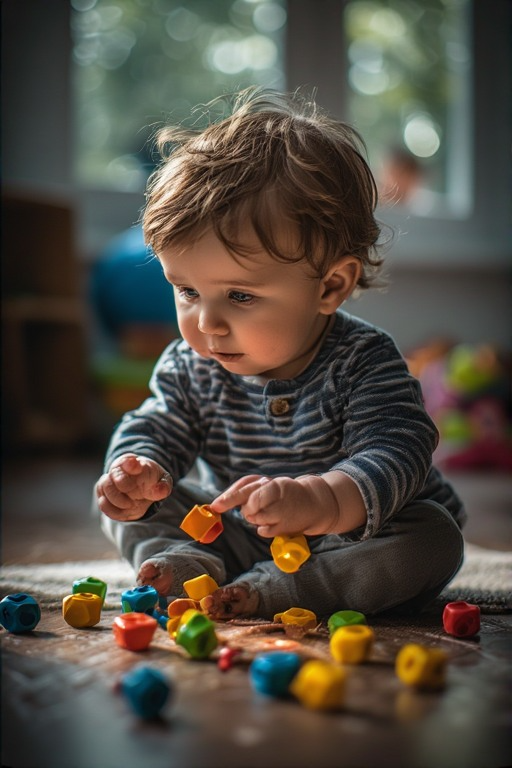
Toddlers love snacks, so why not turn snack time into learning time?
Ask your child to count crackers, blueberries, or cereal pieces before eating them. You can also practice colors and shapes while you snack together.
Why it works:
Toddlers learn best during everyday moments. Counting real objects helps them understand numbers in a way that feels natural and fun.
5. DIY Obstacle Course

Use pillows, chairs, blankets, and tape to create a simple obstacle course in your living room.
Ask your toddler to crawl under tables, jump over pillows, or balance along a taped line on the floor.
Why it works:
Physical movement supports brain development. Obstacle courses also improve listening skills because toddlers must follow directions step by step.
6. Read-Aloud Story Time With Questions
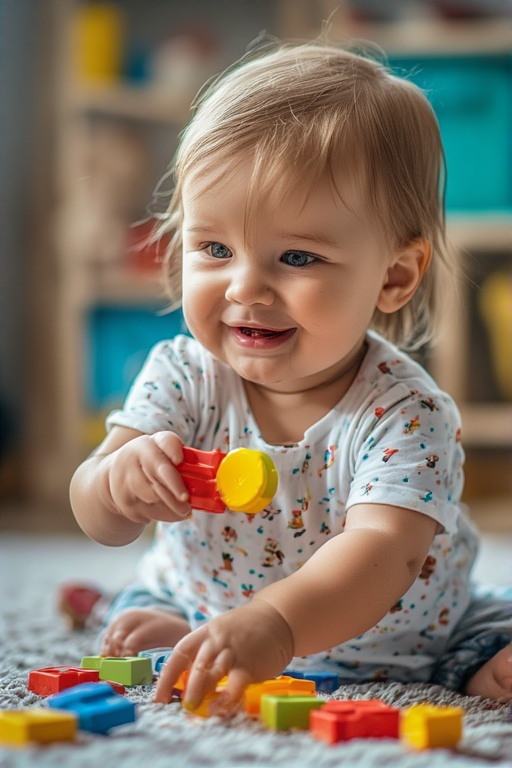
Reading together is one of the most powerful toddler learning activities you can do.
Instead of rushing through the story, pause to ask simple questions like:
- “What sound does the cow make?”
- “Can you find the red balloon?”
- “What do you think happens next?”
Why it works:
These little conversations build vocabulary, comprehension, and critical thinking skills. They also help toddlers stay more engaged during story time.
7. Water Play With Measuring Cups

Fill a shallow bin or sink with water and add measuring cups, spoons, funnels, and small containers.
Toddlers can pour, scoop, and experiment while learning basic science and math concepts.
Why it works:
Water play teaches cause and effect while strengthening hand muscles needed for future writing skills. It is also incredibly calming for many toddlers.
8. Pom-Pom Transfer Activity
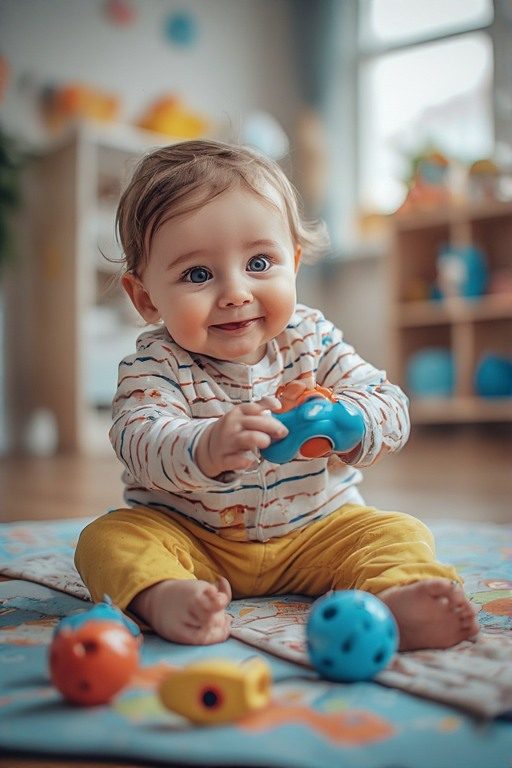
Give your toddler tongs, spoons, or even large tweezers and let them transfer pom-poms from one bowl to another.
If you do not have pom-poms, cotton balls work too.
Why it works:
This activity builds fine motor strength and coordination. Those little hand muscles are important for holding pencils, using scissors, and dressing independently later on.
9. Nature Walk Learning Game
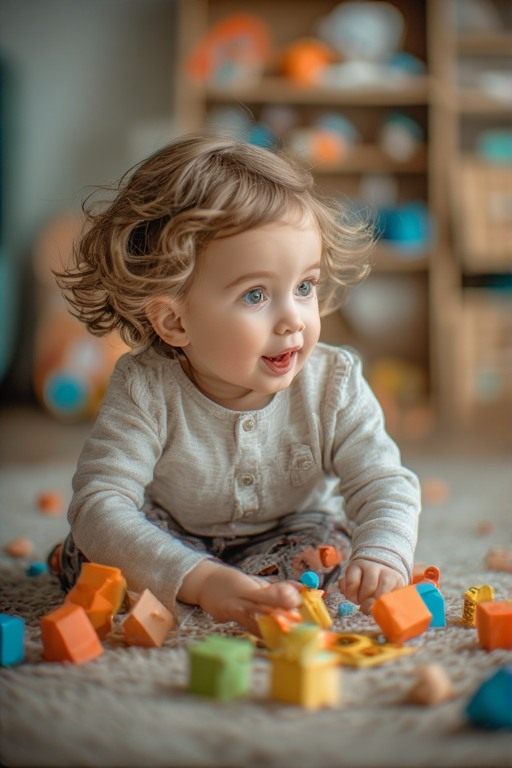
Go outside and turn your walk into a learning adventure.
Ask your toddler to find:
- Something green
- A flower
- A big rock
- A bird
- Leaves of different shapes
Why it works:
Outdoor learning feels exciting and fresh for toddlers. Nature walks also encourage observation skills and language development.
10. Simple Puzzles
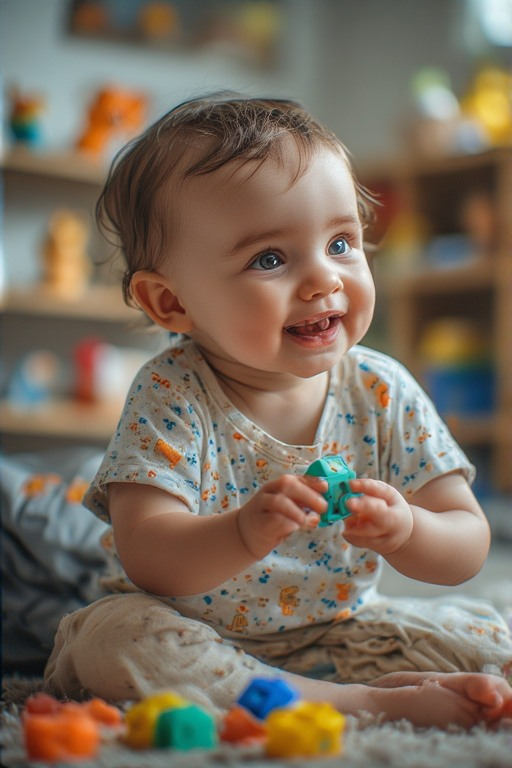
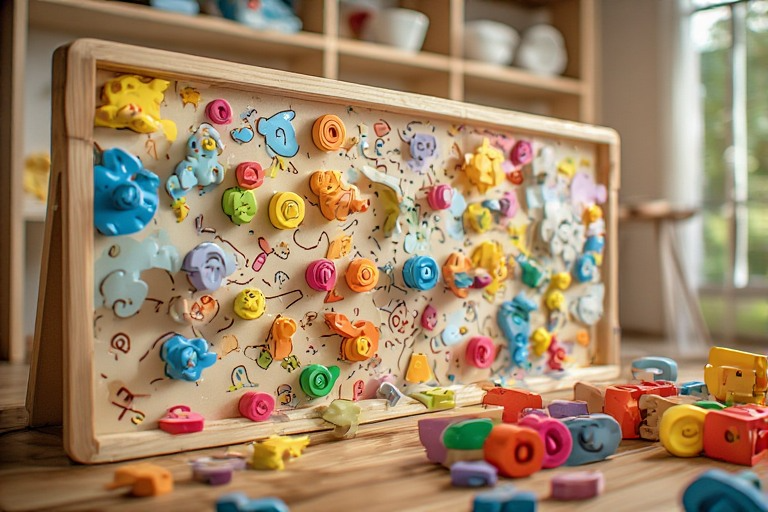
Large wooden puzzles or chunky puzzles are perfect for toddlers.
Sit together and talk through the process instead of jumping in to fix every mistake.
Why it works:
Puzzles help toddlers learn patience, problem-solving, and spatial awareness. They also teach persistence, which is a huge life skill.