Educational Toys for Kids That Make Learning Feel Like Play
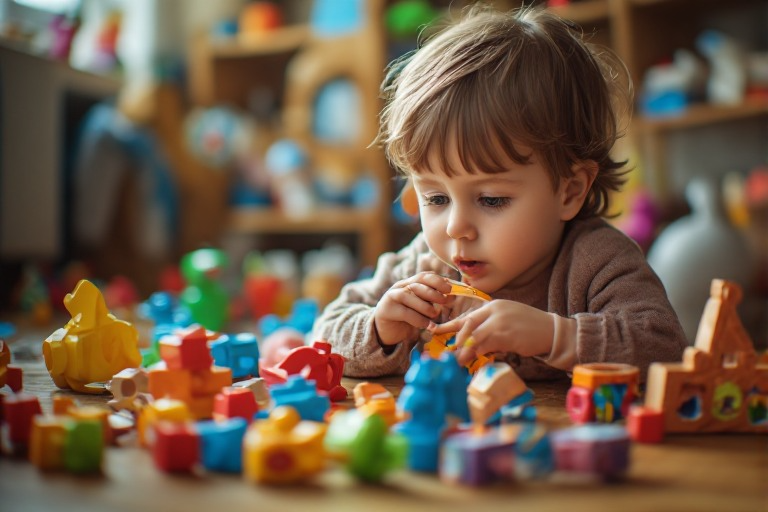
If you’re trying to find the best educational toys for kids, you’re definitely not alone. Every parent wants toys that do more than collect dust in the corner after a week. You want something that keeps your child engaged while also helping them learn important skills.
The good news is that learning doesn’t have to look like sitting at a desk. Kids learn best when they’re having fun, exploring, building, and asking questions. The right educational toys can encourage creativity, problem-solving, confidence, and independent thinking—all while your child simply thinks they’re playing.
Whether you’re shopping for a birthday, holiday, or simply looking to refresh the playroom, these educational toy ideas are worth considering.
Why Educational Toys Matter
Children learn through play from the moment they’re born. Every puzzle they solve, block they stack, or pretend meal they cook helps build important developmental skills.
Educational toys can support:
- Problem-solving skills
- Fine motor development
- Creativity
- Language development
- Early math concepts
- Memory and concentration
- Social and emotional learning
- Confidence and independence
The best part? Kids rarely realize they’re learning because they’re too busy having fun.
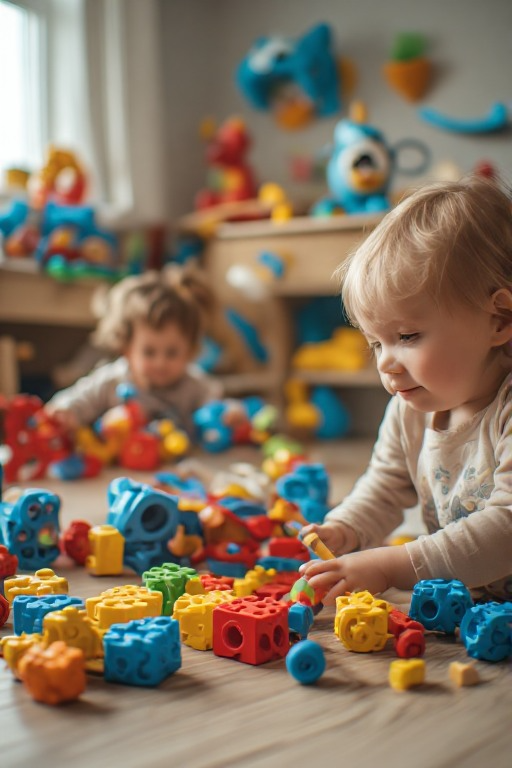
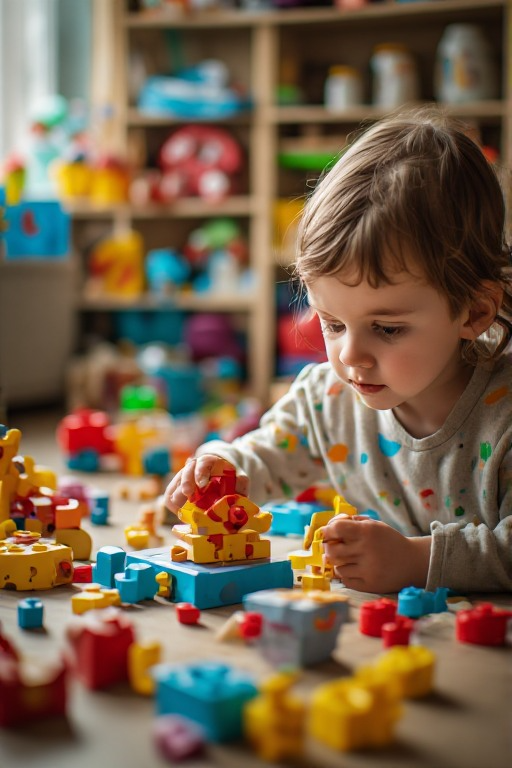
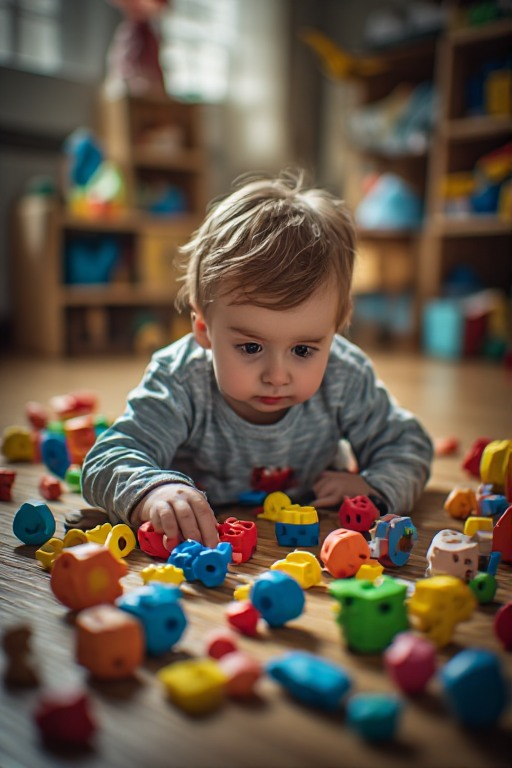
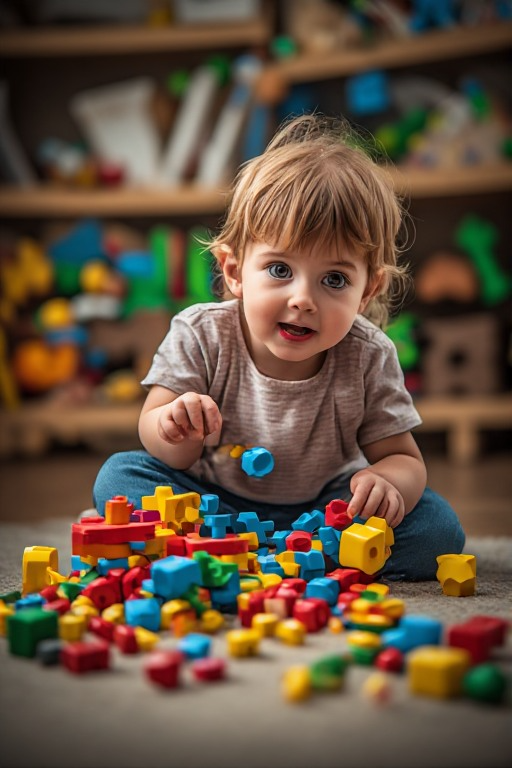
1. Wooden Building Blocks
Classic wooden blocks have been loved for generations—and for good reason.
Children can build towers, bridges, houses, and anything their imagination creates. Every new design encourages planning, balance, and creative thinking.
Why it works
- Builds fine motor skills
- Encourages creativity
- Teaches basic engineering concepts
- Improves hand-eye coordination
These toys also grow with your child. Toddlers enjoy stacking, while older kids create more detailed structures.
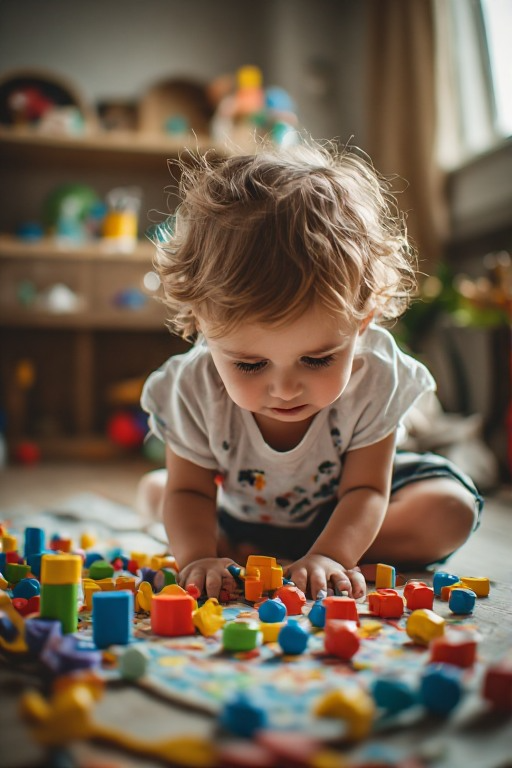
2. Alphabet Learning Toys
Learning letters becomes much more exciting when children can touch, move, and play with them.
Magnetic letters, alphabet puzzles, and interactive letter games help children recognize shapes, sounds, and early reading patterns.
Benefits
- Supports letter recognition
- Encourages phonics
- Builds vocabulary
- Makes reading feel fun instead of stressful
Reading readiness often starts long before children open their first schoolbook.
3. Number and Counting Games
Math doesn’t need to feel intimidating.
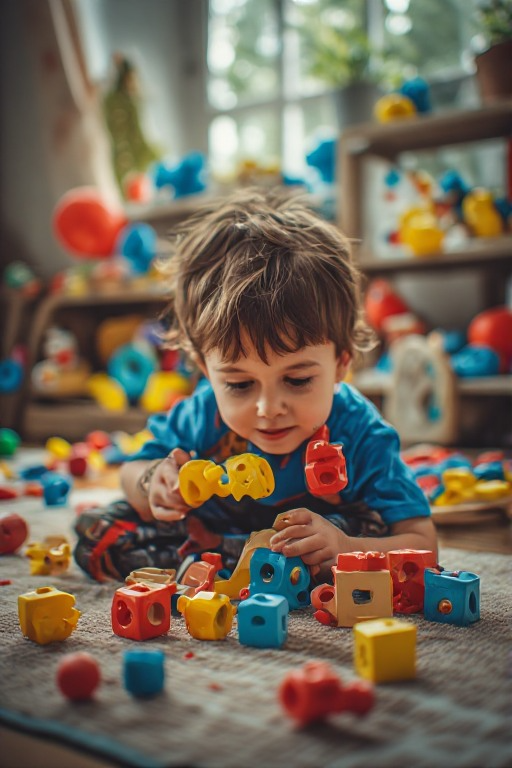
Counting bears, number puzzles, stacking rings with numbers, and simple math games help children understand quantities in a playful way.
Skills children develop
- Counting
- Number recognition
- Sorting
- Pattern recognition
- Basic addition concepts
Hands-on learning makes abstract numbers much easier to understand.
4. Shape Sorters
Shape sorters may seem simple, but they teach several important skills at once.
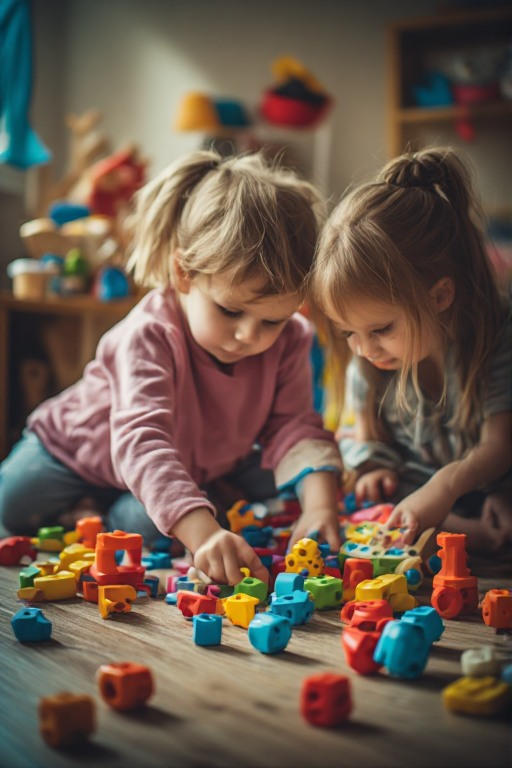
Children learn how different shapes fit into matching spaces while improving patience and problem-solving abilities.
Why parents love them
- Improves fine motor skills
- Builds logical thinking
- Encourages persistence
- Helps with shape recognition
They’re especially great for toddlers between one and three years old.
5. STEM Building Kits
STEM toys introduce children to science, technology, engineering, and math through exciting projects.
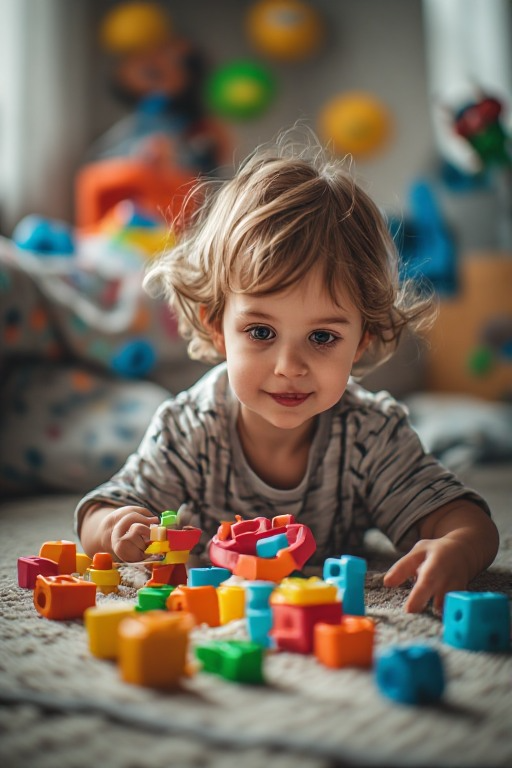
Kids can build moving machines, simple robots, marble runs, or engineering challenges that encourage experimentation.
Educational benefits
- Critical thinking
- Engineering skills
- Creativity
- Problem-solving
- Cause and effect understanding
These toys often keep older children engaged for much longer than traditional toys.
6. Pretend Play Kitchen Sets
Pretend play teaches far more than many parents realize.
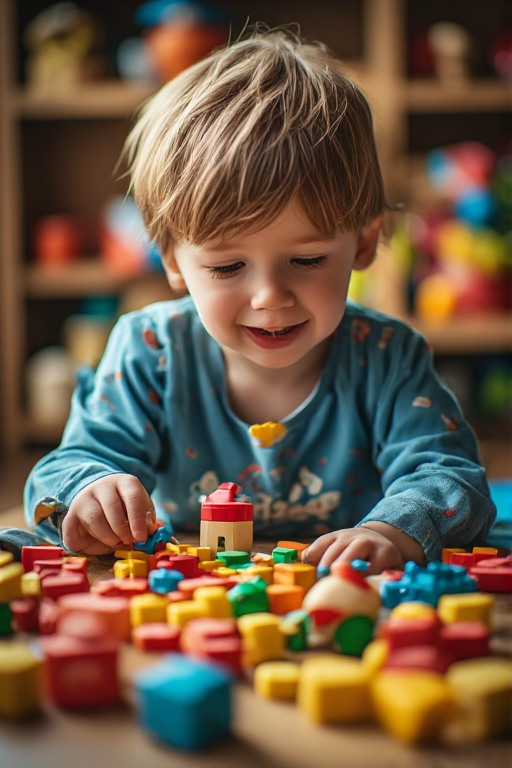
Cooking imaginary meals encourages children to practice communication, sequencing, sharing, and imagination.
Children learn
- Language skills
- Social interaction
- Organization
- Creativity
- Everyday life skills
Many children also become more interested in helping with real cooking afterward.
7. Science Experiment Kits
Kids naturally love asking “Why?”
Simple science kits give them safe opportunities to explore chemistry, nature, weather, magnets, and physics.
Why they’re valuable
- Encourages curiosity
- Introduces scientific thinking
- Develops observation skills
- Makes learning exciting
The hands-on experience helps children remember concepts much better than simply reading about them.
8. Puzzle Sets
Puzzles teach patience one piece at a time.
Whether your child enjoys animal puzzles, maps, or large floor puzzles, every completed picture builds confidence.
Skills puzzles improve
- Memory
- Concentration
- Spatial awareness
- Problem-solving
- Patience
Start with larger pieces for younger children and gradually increase the challenge.
9. Art and Craft Kits
Creativity is just as important as academics.
Painting, coloring, cutting, gluing, and crafting help children express emotions while strengthening small hand muscles.
Educational value
- Fine motor development
- Creativity
- Color recognition
- Focus
- Self-expression
There’s no “right” way to create art, which helps children build confidence.
10. Musical Instruments for Kids
Music stimulates many areas of the developing brain.
Simple instruments like keyboards, drums, xylophones, tambourines, or maracas encourage rhythm and listening skills.
Benefits
- Improves memory
- Develops coordination
- Encourages creativity