How to Raise a Bilingual Child — What Actually Works for Real Families
If you’re wondering how to raise a bilingual child, you’re definitely not alone. Many parents dream of giving their children the gift of speaking two languages, but it can also feel overwhelming. You may be asking yourself whether you’re doing enough, whether starting later is too late, or whether your child will get confused.
The good news is that children are incredibly capable language learners. Even if your family doesn’t have a perfect plan, your child can still successfully learn two languages. Nobody tells you this, but consistency matters far more than perfection.
Whether you’re raising a baby, toddler, or preschooler, there are simple ways to make bilingual learning part of your everyday life. The goal is not to create pressure. The goal is to create opportunities for your child to hear, understand, and use both languages naturally.
Why Raising a Bilingual Child Is Worth It
Learning two languages offers benefits that go far beyond communication.
Many bilingual children develop:
- Stronger problem-solving skills
- Better listening abilities
- Greater cultural awareness
- More opportunities in school and future careers
- Stronger connections with family members who speak another language
Perhaps most importantly, bilingualism can help your child build meaningful relationships with grandparents, relatives, and community members who speak a different language.
Can Children Get Confused by Two Languages?
This is one of the biggest concerns parents have.
The short answer is no. Children may mix languages sometimes, especially when they are young, but this is completely normal. It does not mean they are confused.
Many bilingual children use words from both languages in the same sentence while they are learning. Over time, they naturally become better at choosing the right language for the right situation.
If your child seems to speak later than another child, remember that language development varies widely. Focus on their total vocabulary across both languages rather than comparing them to other children.
1. Start as Early as Possible
One of the best strategies for how to raise a bilingual child is to begin early.
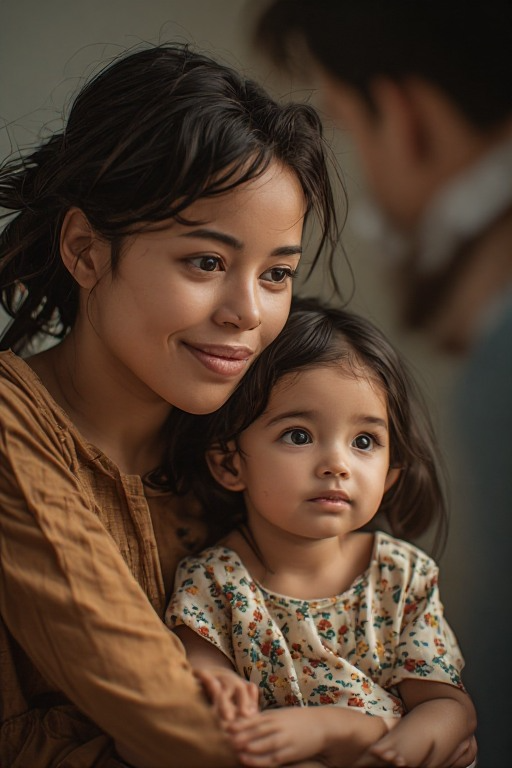
Babies start learning language long before they say their first word. They listen carefully to voices, sounds, and speech patterns from the moment they are born.
You don’t need formal lessons. Simply talking, singing, and reading to your baby in both languages can make a huge difference.
The earlier your child hears both languages regularly, the more natural the learning process becomes.
2. Choose a Language Strategy That Fits Your Family
There is no single right way to raise a bilingual child.
Many families use one of these approaches:
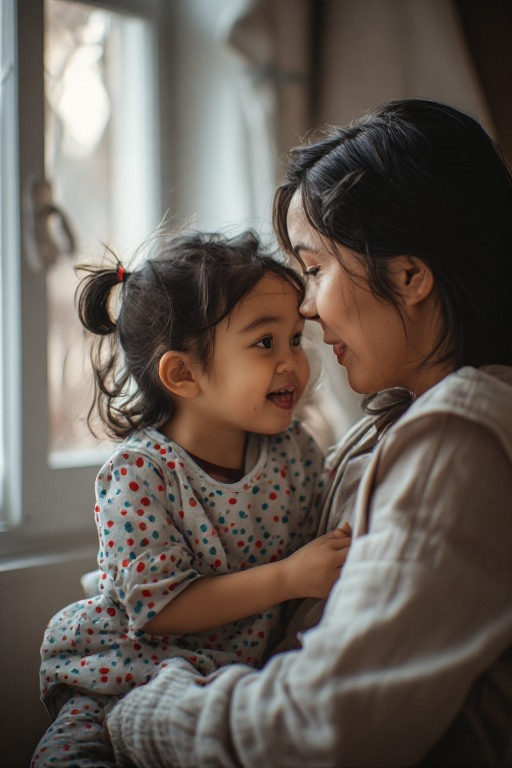
One Parent, One Language
Each parent consistently speaks a different language to the child.
For example:
- Mom speaks Spanish
- Dad speaks English
This method helps children clearly connect each language with a specific person.
Home Language and Community Language
Some families speak one language at home while the child learns another language at school and in the community.
For example:
- Arabic at home
- English outside the home
This approach helps preserve the family’s heritage language.
Time and Place Method
Some families assign certain times or activities to a specific language.
Examples include:
- English during homework
- French during dinner
- Urdu during family visits
The best system is the one your family can realistically maintain.
3. Read Books Every Day
Reading is one of the most powerful tools for bilingual learning.
Try to include books in both languages throughout the week. Even ten to fifteen minutes a day can help your child learn new vocabulary and sentence structures.
When reading together:
- Point to pictures
- Ask simple questions
- Repeat new words
- Encourage participation
Children learn best when books feel fun rather than educational.
4. Make Both Languages Part of Daily Life
Language learning works best when it feels natural.
Instead of creating separate lessons, use everyday moments to practice.
You can:
- Talk during meals
- Name objects around the house
- Describe what you’re doing
- Count toys together
- Discuss the weather
These small conversations add up quickly and help your child hear language in real-life situations.
5. Use Music, Songs, and Rhymes
Children love music, and songs are excellent language teachers.
Songs help children:
- Learn pronunciation
- Remember vocabulary
- Understand rhythm and speech patterns
- Build confidence
Play children’s songs in both languages during car rides, bath time, or while cleaning up toys.
Many parents are surprised by how quickly children memorize new words through music.
6. Encourage Speaking Without Pressure
One mistake many parents make is constantly testing their child.
Instead of asking, “What is this called?” over and over, focus on having real conversations.
Children are more likely to speak when they feel relaxed and supported.
If your child answers in one language while you speak another, keep the conversation going. The important thing is communication, not perfection.
7. Connect Language With Culture
Language and culture naturally go together.
Help your child experience both languages through:
- Family traditions
- Cultural celebrations
- Food
- Music
- Stories
- Holidays
These experiences give language meaning and help children feel proud of their bilingual identity.
Children are often more motivated to learn a language when they understand its connection to family and culture.
8. Find Other People Who Speak the Language
Children learn language through interaction.

Look for opportunities to connect with:
- Grandparents
- Cousins
- Friends
- Community groups
- Playgroups
- Cultural organizations
Regular conversations with different speakers strengthen listening skills and build confidence.
The more real-life practice your child gets, the stronger their language abilities become.
9. Be Consistent Even When Progress Feels Slow
This is hard, and many parents worry they are not doing enough.
There may be periods when your child seems more interested in one language than the other. This is completely normal.
Language development often happens in waves. Sometimes children spend months mostly listening before suddenly using many new words.
Consistency matters far more than quick results.
Keep speaking, reading, singing, and creating opportunities for practice.
10. Celebrate Small Wins
When learning how to raise a bilingual child, it’s easy to focus on what still needs improvement.
Instead, celebrate progress.
Notice when your child:
- Understands a new phrase
- Uses a new word
- Reads a simple book
- Speaks with a relative
- Tries a conversation in their second language
These small victories are signs that learning is happening.
Positive encouragement helps children stay motivated and confident.