

Screen Time Rules for Toddlers That Make Life Easier for Parents
If you have a toddler, chances are screen time has become part of your daily life in one way or another. Maybe you turn on a favorite show while making dinner. Maybe a tablet helps you survive a long car ride. Or maybe you’re simply trying to get five uninterrupted minutes to drink your coffee while it’s still warm.
The truth is, parenting toddlers is hard. There is so much advice online about screen time, and a lot of it can leave moms feeling guilty. If you’ve ever wondered whether you’re doing it “right,” you’re definitely not alone.
The good news is that healthy screen habits don’t have to be complicated. These screen time rules for toddlers are practical, realistic, and designed for real families. The goal isn’t perfection. The goal is helping your child enjoy technology in a balanced way while still making room for play, learning, sleep, and family connection.
Why Screen Time Matters for Toddlers
Toddlers learn best through hands-on experiences. They need to touch, move, climb, explore, and interact with people around them.
That doesn’t mean all screens are bad. Educational content can be helpful, and sometimes parents simply need a break. The key is creating healthy boundaries so screen use supports your family instead of taking over your day.
These screen time rules for toddlers can help create that balance.
1. Set Clear Daily Limits
One of the most important rules is deciding how much screen time your toddler gets each day.
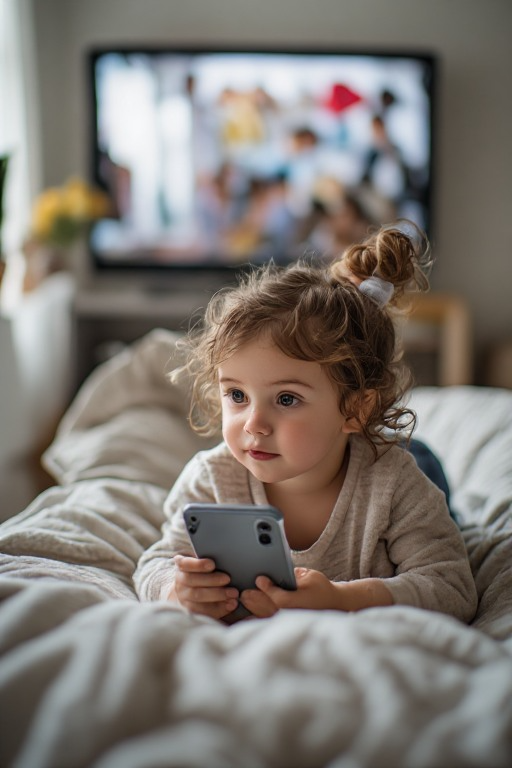
When limits are predictable, children know what to expect. This reduces arguments and helps prevent the constant requests for “just one more show.”
You don’t have to make it complicated. Choose a daily amount that works for your family and stick to it as consistently as possible. Consistency is often more important than having a perfect number.
Why This Works
Toddlers thrive on routines. Knowing when screen time starts and ends helps them feel secure and reduces power struggles.
2. Use Screens at Planned Times
Instead of allowing random screen use throughout the day, try scheduling it.

For example, you might allow screen time while preparing dinner, after nap time, or during a younger sibling’s feeding session.
Why This Works
Planned screen time becomes part of the routine rather than a constant option. This helps toddlers learn that screens are just one activity among many.
3. Avoid Screens During Meals
Mealtime is a valuable opportunity for connection and conversation.

Even if your toddler is a picky eater, relying on screens during meals can make it harder for them to recognize hunger and fullness cues.
Why This Works
Without distractions, children are more aware of what they are eating and can practice social skills at the table.
4. Create Screen-Free Zones
Consider making certain spaces in your home screen-free.

Good examples include:
- Bedrooms
- The dining table
- Playrooms
- Outdoor spaces
Having designated screen-free areas encourages other types of play and interaction.
Why This Works
Physical boundaries make it easier for children to understand when screen time is appropriate and when it is time for other activities.
5. Choose Quality Content
Not all screen content is created equal.

Whenever possible, choose age-appropriate educational programs that encourage learning, creativity, language development, and problem-solving skills.
Look for content that:
- Teaches numbers, letters, or vocabulary
- Encourages movement
- Promotes kindness and social skills
- Has a slower pace and simple storylines
Why This Works
High-quality content can support learning while reducing overstimulation.
6. Watch Together When You Can
Co-viewing is one of the best ways to make screen time more meaningful.

Sit with your toddler and talk about what you are watching. Ask questions, point out colors, count objects, or discuss characters’ feelings.
Why This Works
Children learn more when adults interact with them. Watching together turns screen time into a shared learning experience instead of passive entertainment.
7. Keep Screens Out of Bedtime Routines

Many parents notice that toddlers have a harder time falling asleep after evening screen use.
Try turning off screens at least an hour before bedtime and replacing them with calming activities.
Good alternatives include:
- Reading books
- Singing lullabies
- Quiet play
- Bath time
- Cuddles and stories
Why This Works
Blue light and stimulating content can interfere with healthy sleep habits. A calm bedtime routine helps toddlers settle more easily.
8. Encourage Plenty of Active Play

For every period of screen time, make sure your toddler also has opportunities for movement.
Toddlers need physical activity every day to support healthy growth and development.
Simple activities include:
- Dancing
- Playing outside
- Building with blocks
- Running in the backyard
- Obstacle courses indoors
Why This Works
Active play supports motor skills, brain development, and emotional regulation while helping balance sedentary screen use.
9. Don’t Use Screens for Every Meltdown
This one is tough because we’ve all been there.

When your toddler is upset in a store, waiting room, or restaurant, handing over a phone can feel like the quickest solution. Sometimes it may be necessary, and that’s okay.
However, if screens become the automatic response to every difficult emotion, toddlers may miss opportunities to learn coping skills.
Why This Works
Children gradually learn patience, self-regulation, and emotional resilience when they experience small frustrations and work through them with support.
10. Model Healthy Screen Habits Yourself
Nobody likes hearing this one, but it’s true.

Toddlers learn by watching us. If we constantly check our phones, they notice. If we put devices away during family time, they notice that too.
You don’t have to be perfect. Simply making an effort to be present and mindful around screens can have a big impact.