Kids Chore Chart Ideas That Actually Get Kids Excited to Help
If you’ve ever asked your child to clean their room only to find them suddenly very busy doing literally anything else, you’re definitely not alone. Getting kids to help around the house can feel like an endless battle some days.
The good news is that chores do not have to turn into daily arguments. The right system can make a huge difference. That’s where creative kids chore chart ideas come in. A fun and simple chore chart gives your child clear expectations and helps them feel proud of contributing to the family.
The truth is, chores teach much more than cleaning. They help children build responsibility, confidence, independence, and valuable life skills they will use for years to come. The key is finding a chore chart that matches your child’s age, personality, and interests.
Here are some of the best kids chore chart ideas that parents actually use and love.
Why Chore Charts Work for Kids
Before we jump into the ideas, it helps to understand why chore charts can be so effective.
Children thrive on routines and visual reminders. Instead of hearing repeated verbal instructions, they can see exactly what needs to be done and track their progress.
Chore charts also provide:
- Clear expectations
- A sense of accomplishment
- Consistency
- Accountability
- Opportunities for positive reinforcement
When kids know what is expected of them, they are often more willing to participate.
1. Sticker Reward Chore Chart
A sticker chart is one of the simplest options, especially for younger children.
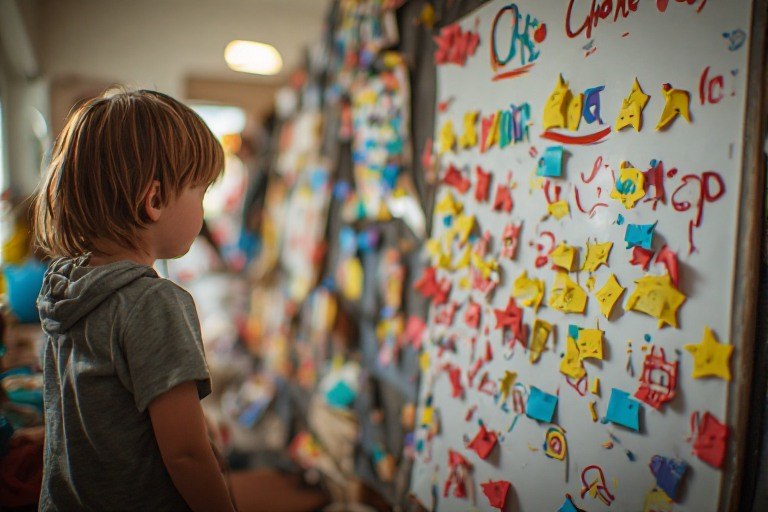
Each completed chore earns a sticker. Once your child reaches a certain number of stickers, they can choose a small reward or privilege.
Why it works:
Young children love visual rewards. Watching their chart fill up with colorful stickers helps them see their progress and stay motivated.
Great chores for this chart include:
- Making the bed
- Putting toys away
- Feeding pets
- Putting dirty clothes in the hamper
2. Magnetic Chore Chart
A magnetic chore chart lets kids move magnets from “To Do” to “Done.”
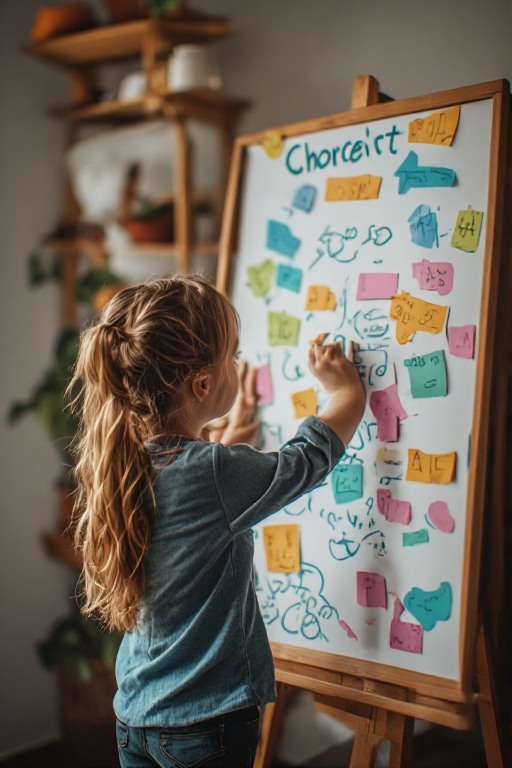
You can place it on the refrigerator where everyone can see it. This creates a visual reminder throughout the day.
Why it works:
Kids enjoy physically moving the magnets. It feels interactive and gives them a sense of accomplishment every time they complete a task.
3. Weekly Chore Chart
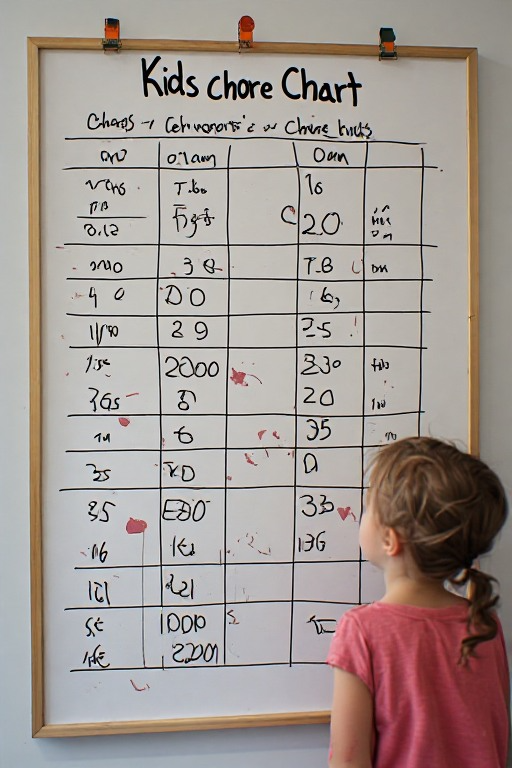
A weekly chart breaks chores down by day.
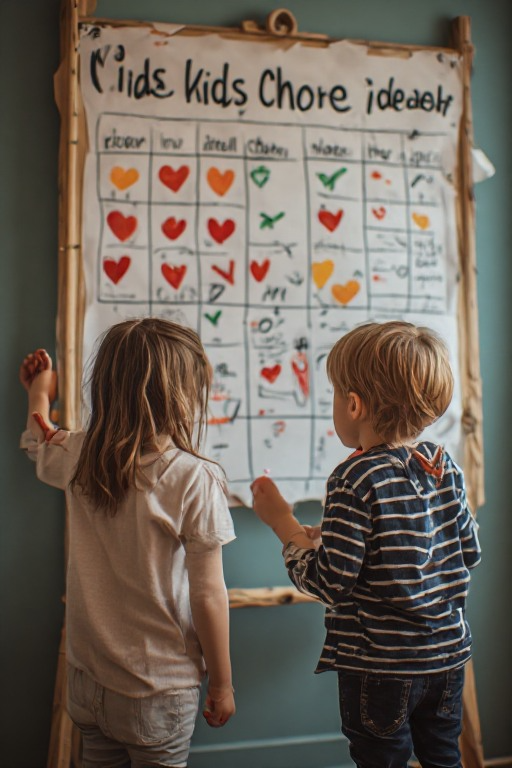
For example:
Monday
- Make bed
- Clean bedroom floor
Tuesday
- Feed pet
- Wipe table after dinner
Wednesday
- Put away laundry
Why it works:
Children are less likely to feel overwhelmed when chores are spread throughout the week.
4. Color-Coded Chore Chart
Assign different colors to different types of tasks.
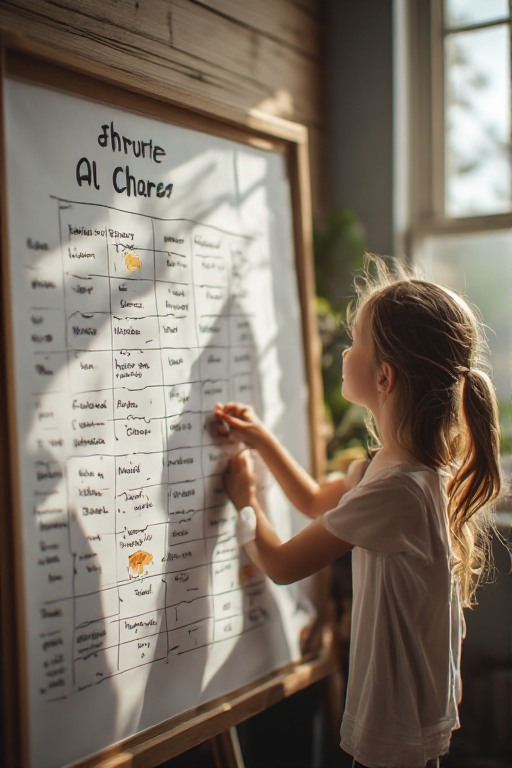
For example:
- Blue = Bedroom chores
- Green = Kitchen chores
- Yellow = Personal care
- Red = Family responsibilities
Why it works:
Color coding helps kids quickly understand what needs to be done. It also makes the chart more fun and visually appealing.
5. Picture Chore Chart for Preschoolers
Many young children cannot read yet, but they can easily recognize pictures.
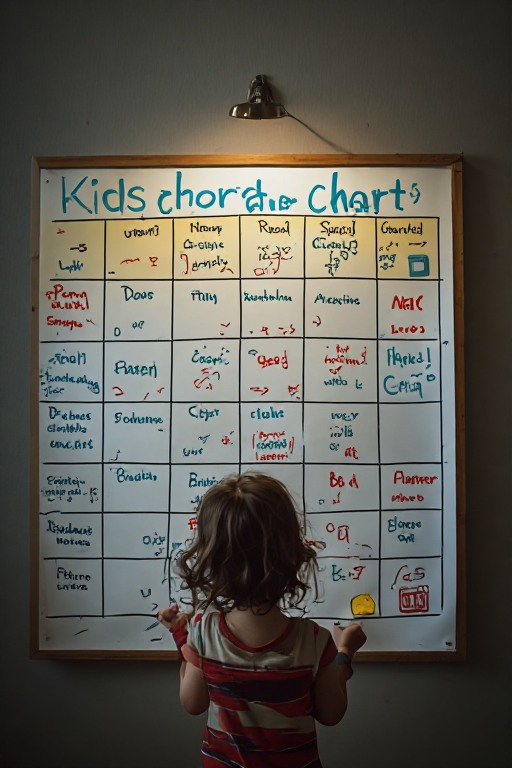
Use simple images such as:
- A bed for making the bed
- Toys for cleanup time
- A toothbrush for brushing teeth
Why it works:
Pictures eliminate confusion and encourage independence.
This is one of the most effective kids chore chart ideas for toddlers and preschoolers.
6. Chore Chart With Tokens
Instead of stickers, kids earn tokens for completed chores.
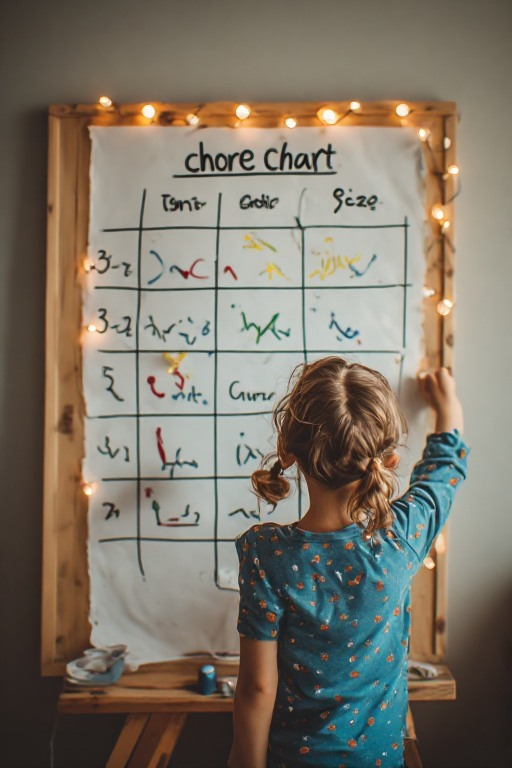
Tokens can be exchanged for rewards such as:
- Extra screen time
- A family movie night choice
- Staying up 15 minutes later on the weekend
Why it works:
Children learn that effort leads to rewards while also practicing delayed gratification.
7. Family Team Chore Chart
Turn chores into a family project rather than an individual responsibility.
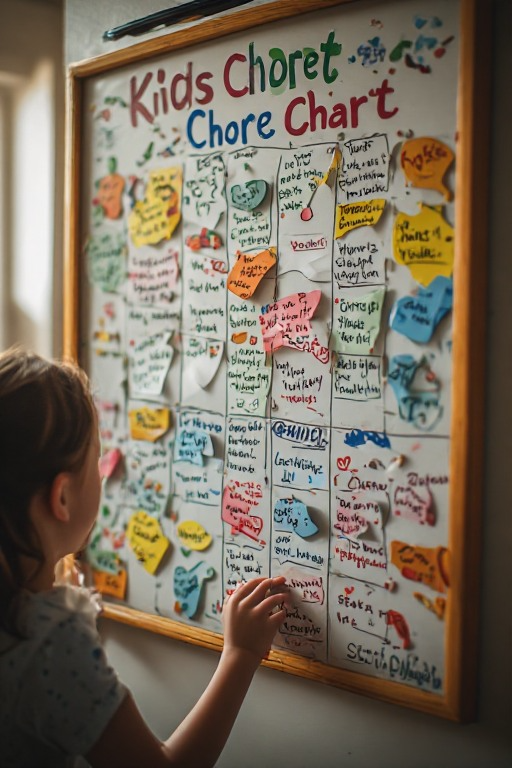
Create a chart that includes everyone in the household.
Why it works:
Kids see that everyone contributes. It teaches teamwork and prevents children from feeling singled out.
Nobody enjoys chores all the time, and it helps kids understand that household responsibilities belong to the whole family.
8. Morning Routine Chore Chart
Mornings can be chaotic, especially on school days.
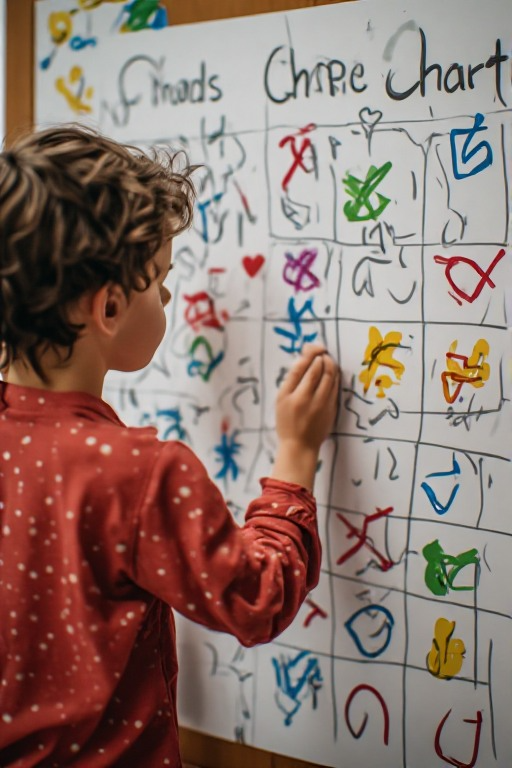
A morning routine chart might include:
- Make bed
- Get dressed
- Brush teeth
- Put dishes in sink
- Pack backpack
Why it works:
Children gain independence and parents spend less time reminding them what comes next.
9. After-School Chore Chart
After school is another time when routines can help.
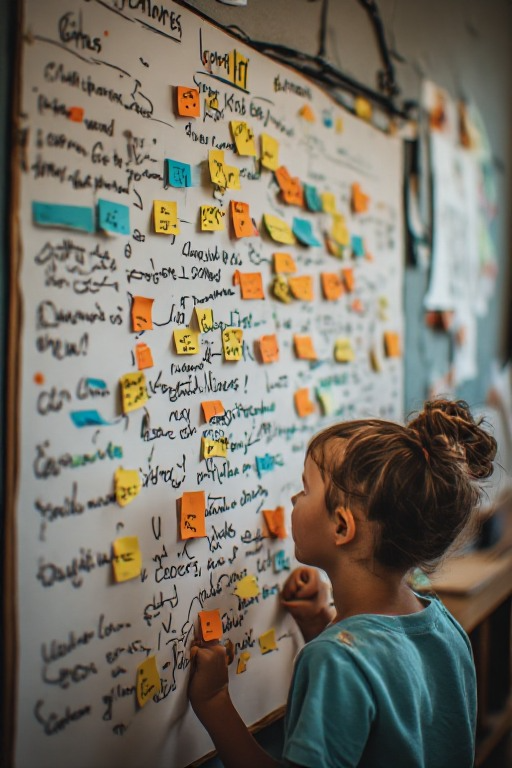
Tasks may include:
- Put shoes away
- Empty lunchbox
- Complete homework
- Feed pets
Why it works:
Children know exactly what to do when they walk through the door.
This structure can reduce power struggles and make evenings run more smoothly.
10. Chore Bingo Chart
Turn chores into a game.
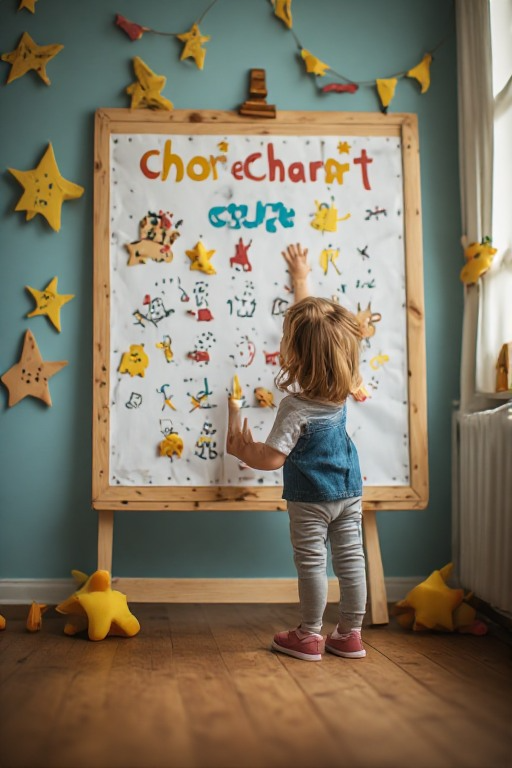
Create a bingo-style card with different chores in each square. Kids complete tasks to earn a bingo.
Why it works:
Games naturally increase motivation. Children often focus more on winning the game than on the chores themselves.